 Oldsmar Siding
 Carrollwood sits in the greater Tampa Bay region, where the exterior of a home does a lot of quiet, unglamorous work year-round. Between the intense subtropical sun, the long stretch of hurricane season, humidity that never really goes away, and the salt-laden air that moves inland off the Gulf and the bay, siding in this part of Florida is under more stress than siding almost anywhere else in the country. This guide walks through what that means for a Carrollwood-area home, how we approach siding replacement here, and why our crews install one product system rather than offering a menu of options.
What Carrollwood-Area Homes Are Up Against
Like much of the Tampa Bay area, the Carrollwood area includes homes of many ages and construction styles — some with original siding decades old, others with replacement siding installed more recently. What they all have in common is exposure to the same demanding climate.
Sun, Heat, and Humidity
Florida's UV index runs high nearly all year. That constant sun exposure breaks down pigments and surface coatings on exterior materials, which is why siding on the sun-facing sides of a house often fades or chalks faster than siding in shaded areas. Combine that with humidity that keeps moisture in the air even on dry days, and you get conditions that are hard on any material that isn't engineered specifically for them — wood-based products swell, absorb moisture, and are more prone to rot in this kind of environment than in a drier climate.
Wind-Driven Rain and Hurricane Season
Tampa Bay's hurricane season runs roughly June through November, and even in years without a direct hit, the region sees plenty of tropical moisture and gusty storm systems. Wind-driven rain is a different problem than ordinary rainfall — it gets pushed sideways and upward into seams, laps, and fastener points that were never designed to handle water arriving from that angle. Siding that isn't installed with proper flashing and water management, or that isn't dimensionally stable to begin with, is where those small entry points turn into real moisture problems over time.
Salt Air
Homes don't need to sit directly on the water to feel the effects of salt air. Coastal breezes carry fine salt particles well inland across the Tampa Bay area, and that salt accelerates corrosion on fasteners and trim and can contribute to premature wear on some siding finishes. It's a slower, less dramatic problem than storm damage, but it adds up over the life of a house.
Why Siding Fails Early in This Climate
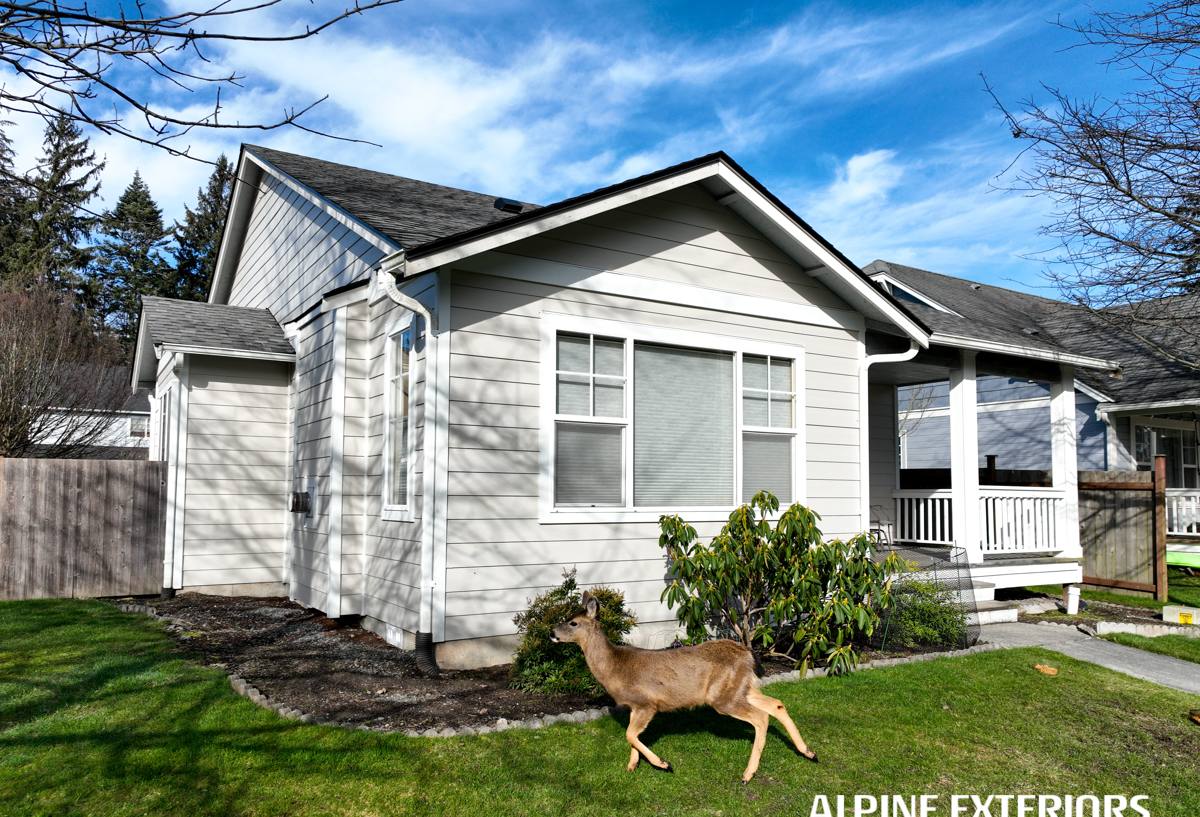
When we get called out to look at failing siding in the Carrollwood area, the causes tend to repeat: moisture getting behind panels through poor flashing detail, seams that were caulked instead of properly lapped, coatings that weren't rated for constant UV exposure, or a base material that simply wasn't built to handle Florida humidity in the first place. Vinyl siding can warp or crack under sustained heat and impact stress. Untreated or primed wood products are vulnerable to rot and pest damage if moisture gets in behind the surface. Even durable-sounding products can underperform here if they weren't engineered with this specific climate in mind.
Why We Install Only James Hardie Fiber Cement
We made a deliberate decision as a company to install one siding system — James Hardie fiber cement — rather than carry multiple product lines. That's not because other products don't have a place in the market; it's because after years of doing this work in Florida's climate, we concluded that fiber cement is the material that holds up best against sun, storms, humidity, and salt air, with the least long-term risk to the homeowner.
A few reasons this matters specifically for a Tampa Bay-area home:
- Non-combustible material. Fiber cement doesn't feed a fire the way wood-based sidings can, which matters for insurance considerations as well as safety.
- Dimensional stability. Fiber cement doesn't expand and contract with humidity the way wood products do, which reduces the seam and joint problems that let water in.
- Factory-applied ColorPlus finish. The finish is baked on at the factory under controlled conditions, rather than painted on-site, which gives it stronger resistance to fading from constant UV exposure and reduces the maintenance-painting cycle.
- Climate-engineered product lines. Hardie builds specific formulations for different climate zones, including a version engineered for high-humidity, moisture-prone regions like ours.
- Backed by a strong transferable warranty when installed to manufacturer specification — which is a meaningful protection for a product that's meant to last for decades on the house.
We're upfront that this means we don't install LP SmartSide, vinyl siding, Cemplank, Allura, or primed spruce or cedar siding. Those are established products with their own manufacturers and their own customers. Our position is simply that, for the way we build and for this climate, fiber cement from James Hardie is the standard we're willing to put our name behind.
Choosing the Right HZ Product Line
James Hardie engineers its HardieZone products for different climate conditions across the country, and choosing the right one matters more in a place like the Tampa Bay area than it does in a milder climate.
| Consideration | HZ5 Line | HZ10 Line |
|---|---|---|
| Designed for | Moderate, mixed-humidity climates | Hot, humid, moisture-intensive climates like Florida |
| Moisture and humidity resistance | Good | Engineered specifically for sustained high humidity |
| Typical use in Florida | Less common | Standard recommendation for Gulf Coast and Central Florida homes |
| UV and fade resistance | Strong with ColorPlus finish | Strong with ColorPlus finish |
For most homes in and around Carrollwood, the HZ10 formulation is the appropriate choice given the region's humidity and storm exposure. Part of our estimate process is confirming the right product line and profile for the specific home, not just quoting a generic siding job.
What Correct Installation Involves
Fiber cement siding is only as good as its installation. Hardie is explicit about installation requirements, and cutting corners on any of them undermines the product's performance and can void the warranty.
Correct installation in a wind-driven-rain climate like ours includes:
- Proper house-wrap and moisture-barrier detailing behind the siding
- Correct flashing at windows, doors, and any penetration points
- Manufacturer-specified fastener type, spacing, and placement
- Proper clearance between siding and grade, roofing, decks, and other surfaces to prevent trapped moisture
- Correctly lapped and caulked joints, not just butted and caulked
- Attention to local wind-load and building code requirements for the area
A crew that's installed Hardie siding repeatedly in this specific climate — as opposed to occasionally alongside several other siding brands — tends to catch these details automatically, because they've seen what happens locally when they're missed.
Beyond Siding: The Whole Exterior Envelope
Siding doesn't work in isolation. The roof, windows, and any attached decking all interact with the siding system at flashing points, transitions, and water paths. We handle roofing, windows, and decks in addition to siding, which means when we're on a Carrollwood-area home, we're looking at the whole exterior envelope rather than one component in isolation. A roof leak at a wall transition, a window that isn't flashed correctly, or a deck ledger board tied into the wall without proper waterproofing can all undermine even a perfectly installed siding job. Addressing these together, rather than as separate uncoordinated projects, is usually the more durable and cost-effective approach.
Cost Factors for a Carrollwood-Area Siding Project
Every home is different, but the same variables tend to drive cost on siding replacement projects in this area.
| Factor | Why It Matters |
|---|---|
| Home size and wall complexity | More square footage and more corners, gables, or architectural detail increase material and labor |
| Extent of existing damage | Rot, water intrusion, or sheathing damage found during tear-off adds repair scope |
| Product profile and accessories | Plank width, trim details, and accessory pieces affect material cost |
| Access and site conditions | Landscaping, fencing, or tight lot lines can affect labor time |
| Paired projects | Combining siding with roofing, window, or deck work can create efficiencies versus separate projects |
We don't publish blanket pricing because it genuinely depends on the home, but we can give a homeowner a clear, itemized number after a walk-through — not a vague ballpark.
Choosing a Local Contractor
Whoever a homeowner hires for siding work in the Carrollwood area, a few questions are worth asking before signing anything:
- Are they licensed and insured to do exterior work in Florida?
- Do they carry manufacturer certification or specific training for the siding product they're proposing?
- Will they specify the exact HardieZone product line and profile in writing, not just "Hardie siding"?
- Do they explain their flashing and water-management approach, or just talk about the finished look?
- Can they provide a written scope of work and a warranty that's actually transferable?
- Do they have experience with homes in this specific climate, not just siding in general?
A contractor who's used to installing several different siding brands interchangeably isn't necessarily doing anything wrong, but a crew that specializes in one system tends to know that product's installation requirements at a deeper level, simply from repetition.
Getting Started
If your Carrollwood-area home has siding that's cracking, fading unevenly, showing soft spots, or just past its practical lifespan, we're happy to take a look and talk through what's actually going on before recommending anything. There's no pressure and no cost to get an honest assessment and a written estimate — just fill out the form below to get started.