 Oldsmar Siding
 A Local Crew Serving the Greater Tampa Area
Oldsmar sits right at the edge of the Tampa Bay market, and a lot of the homes we work on week to week are just a short drive from our shop — in Tampa neighborhoods, along the US-19 and Veterans Expressway corridors, and throughout the surrounding Pinellas and Hillsborough communities. When we say we serve Tampa, we mean it in the way a local contractor should: we know the building climate here, we're not driving in from three counties away, and we're not disappearing after the invoice clears. Siding, roofing, windows, and decks are our full scope of work, and for exterior projects that touch more than one of those systems at once — a re-side that uncovers rotten fascia, or a roof job that reveals soffit damage — having one crew that handles all of it means fewer contractors passing blame back and forth.
Tampa's housing stock is a mix of eras: older block homes with decades of prior repairs layered on, 1980s and '90s subdivisions built during rapid growth, and newer construction going up on infill lots. Each of those brings a different starting point when we show up for an estimate, and that's exactly why we walk every property in person rather than quoting off a photo.
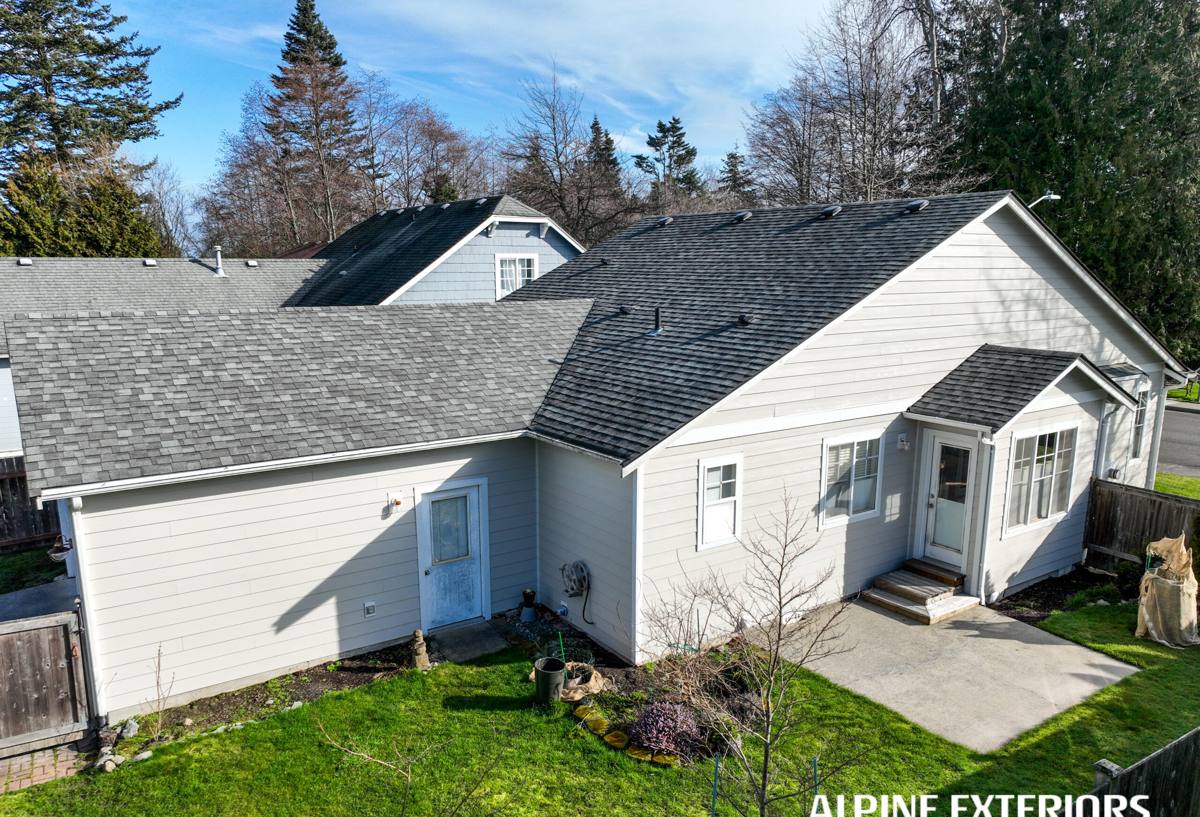
What the Climate Actually Does to Tampa Homes
The Tampa Bay area isn't gentle on exterior materials, and it doesn't take a hurricane to prove it. Four things do the damage, year after year, whether a storm makes landfall or not:
- Hurricane-force wind events — even glancing storms and tropical systems put lateral and uplift stress on siding, fascia, soffit, and roof edges that weaker materials and fastening schedules aren't built to take.
- Intense, near year-round UV exposure — the Gulf coast sun is relentless on painted and laminate surfaces, breaking down pigment and clear coats faster than in most of the country.
- Wind-driven rain — Tampa's storms rarely fall straight down. Rain gets pushed sideways into joints, seams, and lap edges, which is where poor installation shows up first as hidden moisture rather than an obvious leak.
- Salt air — being close to Tampa Bay and the Gulf means a steady low-level exposure to salt-laden humidity that accelerates corrosion on fasteners, flashing, and any metal component on the exterior.
None of these show up as one dramatic failure. They compound quietly — a little more moisture absorption here, a little more fastener corrosion there — until a homeowner is dealing with soft trim, cupped siding, or a roof that's aged faster than it should have. The materials and installation details we choose are aimed directly at slowing that compounding effect down.
Why We Standardized on James Hardie Fiber Cement
We install James Hardie siding exclusively. We don't install vinyl, LP SmartSide, Cemplank, Allura, or wood products like primed spruce or cedar — not because those products have no merit, but because after years of installing and repairing exterior siding in this exact climate, Hardie's fiber cement is what we're comfortable standing behind on a Tampa-area home. It's non-combustible, which matters in a state where lightning-driven brush fires and electrical fires are a real (if underappreciated) risk. It holds its shape and fastening in high wind because it doesn't flex, warp, or soften in heat the way vinyl and some engineered wood products can. And its ColorPlus factory finish is baked on and warranted against fading in a way that field-applied paint on wood siding simply can't match under this much UV.
Siding: Built for Wind, Rain, and Sun — Not Just Curb Appeal
A siding job in Tampa needs to do three jobs at once: shed wind-driven rain at every seam, survive sustained UV without chalking or fading, and stay fastened through wind events without working loose over time. That's a taller order than most homeowners realize until they've lived through a few storm seasons.
What Correct Installation Looks Like
Hardie siding performs the way it's rated to only when it goes on correctly. That means proper starter strip and clearance off grade, correctly lapped and caulked joints (or true butt joints backed with flashing tape, depending on the detail), fasteners driven to the manufacturer's pattern and depth — not just "close enough" — and house wrap or a water-resistive barrier installed and taped as a real drainage plane, not an afterthought. We size and select from Hardie's HZ5 climate-engineered product line, which is specifically formulated for high-humidity, storm-prone regions like ours, rather than a version of the product built for a drier, milder climate.
Signs Existing Siding Is Losing the Battle
- Visible cupping, bowing, or gaps opening up at seams and corners
- Chalky residue or noticeably faded color on the sun-facing sides of the house
- Soft or spongy spots, especially near the bottom courses and around windows
- Rust streaking from fastener heads or trim corners
- Caulk joints that have cracked, shrunk, or pulled away from the siding
Roofing: The First Line of Defense
Your roof takes the brunt of every hurricane-force gust and every hour of direct sun long before the siding even gets involved. Underlayment quality, proper nailing patterns, ridge and hip detailing, and drip edge that actually directs water away from the fascia all matter more here than in calmer climates, because the margin for error during a real wind event is smaller. We evaluate roof condition as part of any siding estimate, since the two systems share flashing details at every wall-to-roof transition — a mismatched detail there is one of the most common sources of hidden leaks we find on older Tampa homes.
Windows: Where Wind and Water Actually Get In
Old or poorly sealed windows are one of the most common weak points we find during exterior inspections. Beyond energy loss, an under-sealed or aging window is a direct path for wind-driven rain to get behind the wall assembly during a storm — which is exactly the kind of intrusion that rots framing from the inside where nobody sees it until it's a bigger repair. When we replace windows as part of a broader exterior project, we pay close attention to flashing integration with the new siding so the whole wall system sheds water as one continuous assembly, not as separate products that happen to be next to each other.
Decks: Built to Handle Sun, Rain, and Salt Air Outdoors
Decks in the Tampa area live outside with zero protection from any of the four stressors above, all day, every day. Fastener corrosion, UV breakdown of the decking surface, and moisture cycling at ground contact points are the most common failure points we see. Material choice, proper flashing where the deck ties into the house, and corrosion-resistant hardware all matter more here than they would in a drier or cooler climate.
Cost Factors to Understand Before You Get Quotes
Every Tampa-area property is different, and pricing should reflect the actual condition and scope of your home, not a flat per-square-foot number pulled off a website. Here are the variables that most affect what a project actually costs:
| Factor | Why It Moves the Price |
|---|---|
| Existing substrate condition | Rotted sheathing or framing found once old siding comes off adds repair scope beyond the original quote |
| Home height and access | Multi-story sections and difficult access increase labor time and equipment needs |
| Trim and architectural detail | Homes with more corners, gables, and trim work require more cutting, fitting, and material |
| Product line selection | Hardie's plank, shingle, and panel lines, plus HZ5 vs. HZ10 formulations, carry different material costs |
| Combined scope | Bundling siding with roofing, window, or deck work can reduce redundant setup and access costs |
Vetting a Contractor for Storm-Prone Work
Because wind and water performance depend so heavily on installation detail, the contractor matters as much as the material. A few things worth confirming before you sign anything:
- Current Florida contractor license and proof of insurance, verifiable independently — not just a claim on a business card
- Manufacturer training or certification for the specific product being installed
- A written scope that specifies fastening pattern, flashing details, and product line — not just "siding replacement"
- A clear explanation of what warranty coverage is manufacturer-backed versus workmanship-backed, and for how long
- References or a track record specific to this region, not just general experience
A contractor who can answer these plainly, without hedging, is usually one who's done the work enough times in this exact climate to know why each detail matters.
Why a Local Crew Matters More Here Than It Sounds Like It Should
Storm-prone, high-UV, salt-air climates punish shortcuts faster than mild climates do. A flashing detail that would go unnoticed for a decade in a drier region can turn into a rot problem here in a few storm seasons. Being based in Oldsmar and working the greater Tampa area regularly means we're the ones who get the callback if something isn't right — which is exactly the kind of accountability that shapes how carefully a job gets done in the first place. It also means we're familiar with the practical realities of local permitting and the wind and moisture demands this region places on every exterior system, not just the ones we're told about in a training manual.
If you're weighing a siding, roofing, window, or deck project on a Tampa-area home, we're glad to come take a look and walk you through what we're actually seeing on your property. The estimate is free, there's no pressure, and you'll get a straight answer about what your home needs — just fill out the form below to get started.