 Oldsmar Siding
 Largo's Climate Is Hard on Exterior Siding
Largo sits in the middle of Pinellas County, close enough to both the Gulf of Mexico and Tampa Bay that homes here deal with a mix of coastal and inland stress. It's not a single threat siding has to survive — it's several, stacked on top of each other, year after year.
Start with wind. Pinellas County sits in a hurricane-prone stretch of the Gulf coast, and even in years without a direct hit, Largo gets tropical storms, squall lines, and straight-line wind events that push rain sideways into exterior walls. Siding that isn't fastened correctly, or that relies on caulk and paint film to stay sealed, is the first thing to fail in that kind of weather — not necessarily by blowing off, but by letting water behind the wall where it does the real damage.
Then there's the sun. Central Florida gets some of the most intense, consistent UV exposure in the continental United States. South- and west-facing walls in Largo take a beating almost every day of the year. Cheaper siding materials and factory finishes chalk, fade, or become brittle under that kind of exposure faster than most homeowners expect — often well before the siding is due for any other kind of repair.
Add humidity and salt air into the mix and you get a climate that's genuinely tough on exterior materials. Humidity keeps moisture in play even when it isn't actively raining, which matters for any siding material that can absorb water or swell. Salt air, carried inland from the Gulf and the bay, accelerates corrosion on fasteners and trim and can affect finishes that aren't formulated to handle it. None of these factors is exotic — they're just constant, and constant is what wears exteriors down.
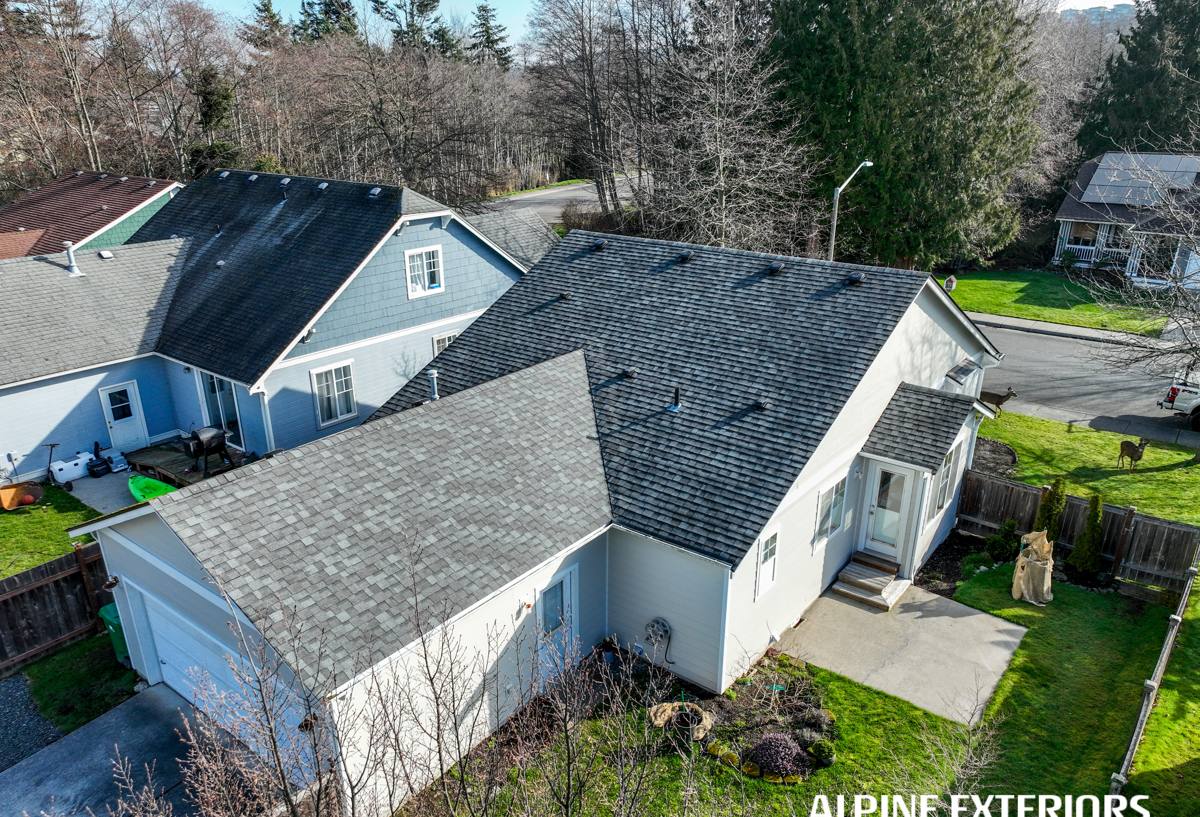
Why a Local Crew Matters in Largo
A lot of what makes siding perform well in Pinellas County isn't the material alone — it's how it's installed for this specific climate. Flashing details around windows and doors, fastening patterns that account for wind uplift, and proper gapping and sealing at joints all matter more here than they would in a milder climate. A crew that works in Largo and the surrounding Oldsmar area regularly knows which details to double-check because they've seen what happens when they're skipped.
Local experience also means a straighter conversation about timelines. Florida's building season and weather patterns affect scheduling, permitting turnaround with Pinellas County, and how a project needs to be sequenced to avoid leaving a house exposed during an active storm pattern. A contractor working out of the area understands those realities instead of treating them as surprises.
Our Services for Largo Homeowners
We work on the exterior as a system, because the parts of a house that protect it from wind, rain, and sun don't operate independently. For Largo homeowners, that typically means one or more of the following:
Siding
Siding replacement and repair, including full tear-offs on older homes and targeted repair where damage is localized. We install James Hardie fiber cement exclusively — more on why below.
Roofing
Roofing works alongside siding to keep water out of the structure. A roof with failing flashing or worn underlayment can undermine even a well-installed exterior wall, so we look at both together when we evaluate a home.
Windows
Window replacement matters as much for how well units are flashed and sealed into the wall assembly as for the glass itself. Poorly integrated window openings are one of the most common places we find water intrusion on older Pinellas County homes.
Decks
Outdoor living space takes the same UV and moisture punishment as the rest of the exterior, often with less protection. We build and repair decks with materials and fastening suited to Florida's weather rather than treating them as an afterthought.
Why We Install Only James Hardie Fiber Cement
We get asked fairly often why we don't offer vinyl, LP SmartSide, or other engineered wood products. It's a fair question, and the honest answer is that we made a standard, not a marketing claim.
Vinyl siding is inexpensive and easy to install, and for some climates it's a reasonable choice. In a Florida climate with intense UV and frequent tropical-storm-force wind, though, vinyl has real limits. It can soften, warp, or distort in high heat, and its impact resistance and wind ratings vary widely by product thickness and installation method. It's also a petroleum-based product, which means it doesn't offer the fire resistance that fiber cement does — a real consideration in a state where wildfire risk and lightning-driven ignition aren't zero.
LP SmartSide and similar engineered wood products perform well in many parts of the country, but they rely on an intact factory coating and careful field-sealing of every cut edge to keep moisture out. Miss a detail during installation, or let a scratch or gap go unsealed for a season, and the wood substrate underneath is vulnerable to swelling and rot — a much bigger risk in a humid, storm-prone climate like Pinellas County's than in a drier one.
James Hardie fiber cement solves the problem differently. It's non-combustible, doesn't absorb moisture the way wood-based products do, and holds its shape and finish under sustained UV exposure far better than vinyl. The ColorPlus factory finish is baked on and warranted separately from the substrate, which means the color holds up to Florida sun without the chalking and fading that shows up on painted or lower-grade finishes. Hardie also engineers specific product lines (their HZ5 designation, for example) for hot, humid, high-moisture climates like Florida's — it isn't one product sold everywhere regardless of conditions.
None of this means other products are unusable — plenty of homes around the country wear them fine. It means that for the specific combination of wind, UV, humidity, and salt air that Largo and the rest of Pinellas County deal with, fiber cement is the material we're willing to put our name behind. That's the whole reason we standardized on one product line instead of offering several.
Comparing Siding Materials for a Largo Home
| Factor | Vinyl | Engineered Wood | James Hardie Fiber Cement |
|---|---|---|---|
| Wind performance | Varies by thickness; can crack or blow off in high wind | Good when installed correctly | Engineered and rated for high-wind regions |
| UV / fade resistance | Can chalk and fade under sustained sun | Depends on factory coating condition | ColorPlus finish warranted against fading |
| Moisture behavior | Does not absorb water; seams can allow intrusion | Wood substrate vulnerable if coating is compromised | Does not swell or rot from moisture exposure |
| Fire resistance | Combustible (petroleum-based) | Combustible (wood-based) | Non-combustible |
| Installation sensitivity | Moderate | High — cut edges must be sealed | Moderate — requires correct fastening and flashing |
What Correct Installation Actually Involves
Material choice only gets you halfway. Fiber cement performs the way it's rated to perform only when it's installed to manufacturer specification, and in a wind- and rain-exposed area like Largo, the details matter.
- Proper starter strip and clearance from grade to prevent moisture wicking
- Correct fastener type, spacing, and embedment for wind uplift resistance
- Flashing integrated at every window, door, and penetration — not just caulked over
- Manufacturer-specified gapping at butt joints and trim to allow for expansion
- Field-cut edges primed and sealed per Hardie's installation guidelines
- House wrap or weather-resistive barrier installed and lapped correctly underneath
Skipping any one of these doesn't usually cause an immediate problem — it shows up two, five, or ten years later as a leak, a stain, or a soft spot behind the wall. That's part of why installation quality matters as much as the product itself.
Signs a Largo Home May Need Siding Attention
Homeowners often live with early warning signs for a while before calling anyone, mostly because the signs are easy to write off. Worth a second look if you're noticing:
- Soft or spongy spots when you press on the siding
- Visible cracking, buckling, or separation at seams
- Paint or finish that's peeling, chalking heavily, or fading unevenly
- Staining or discoloration that keeps returning after cleaning
- Rising energy bills without another clear explanation
- Visible gaps around window and door trim
None of these automatically means full replacement — sometimes it's a repair, sometimes it's a flashing fix. But they're worth having a professional look at before the next storm season, not after.
What to Expect From an Estimate
A siding estimate for a Largo home starts with a walk-around to look at the current material, flashing condition, and any problem areas, along with a conversation about what you're seeing from the inside — drafts, stains, or noise are all useful information. From there we'll walk through material options, realistic timelines, and a straightforward cost breakdown before any work begins. There's no pressure to sign that day, and there shouldn't be — this is a decision worth taking your time on.
If your Largo home's siding is showing its age, or you just want an honest read on where it stands, we'd be glad to take a look. Reach out for a free, no-pressure estimate using the form below.