 Oldsmar Siding
 Exterior Work in a Waterfront Pinellas County Town
Safety Harbor sits along Old Tampa Bay, and that waterfront setting is part of what makes the town what it is — but it also means homes here face a tougher exterior environment than properties further inland. Between the bay breeze carrying salt inland, long stretches of direct summer sun, and the wind and rain that come through during hurricane season, the siding, roof, windows, and decking on a Safety Harbor home are working hard year-round. We're based in Oldsmar, right next door, and we've built our business around understanding exactly what that combination does to a house over time.
This page covers what we see most often on Safety Harbor homes, how our siding, roofing, window, and deck services address those conditions, and why we've standardized on one siding product rather than offering the full menu of options you'll find at other contractors.
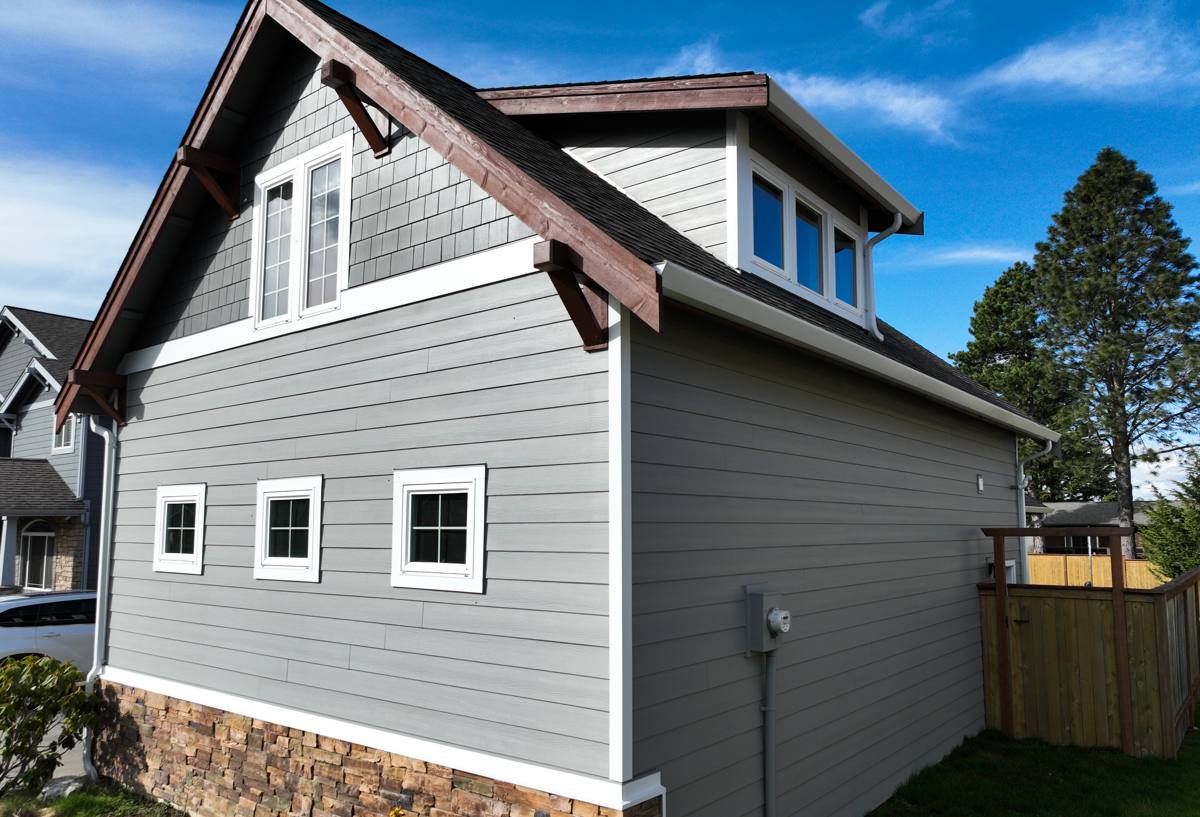
What the Climate Does to a Safety Harbor Home
Salt Air and Humidity
Proximity to Old Tampa Bay means a steady low-level exposure to salt-laden air, even for homes that aren't directly on the water. Salt accelerates corrosion on fasteners, trim, and any exposed metal, and it works alongside Central Florida's near-constant humidity to keep exterior surfaces damp longer than they would be in a drier climate. That combination is exactly the environment where lower-grade siding materials tend to show their weaknesses first — swelling, delamination, or fastener staining.
UV Exposure
Florida sun is intense for most of the year, not just in summer. UV breaks down paint film, causes fading, and dries out caulk and sealant joints faster than in most other parts of the country. Siding and trim that isn't engineered or finished for this kind of exposure will chalk, fade unevenly, or need repainting well ahead of schedule.
Wind and Wind-Driven Rain
Pinellas County sees tropical storm and hurricane risk every season. Beyond the obvious threat of high winds, wind-driven rain is often the bigger long-term problem — it gets forced sideways into seams, laps, and penetrations that would never see water in a normal rainstorm. Siding systems, window installations, and roofing details all need to be built with that reality in mind, not just rated for wind speed on paper.
Siding: Why We Install James Hardie and Nothing Else
We made a deliberate decision to install only James Hardie fiber cement siding — no vinyl, no LP SmartSide, no Cemplank, no Allura, no primed wood. That's not a marketing angle; it's a standard we hold because of what we've seen play out on homes in this climate over years, not just in the first season after installation.
Vinyl siding can soften, warp, or crack under intense sun and heat, and it offers little resistance to wind-driven debris. Wood-based and engineered wood products, even treated ones, are more vulnerable to moisture intrusion at the very seams and cut edges that Gulf Coast humidity and salt air target first. Other fiber cement brands aren't necessarily bad products, but James Hardie's HardieZone system is specifically engineered for humid, high-UV climates like ours, and its factory-applied ColorPlus finish is baked on and warrantied against fading in a way that field-applied paint simply can't match. Fiber cement is also non-combustible, which matters for insurance considerations and simple peace of mind.
We'd rather install one product exceptionally well, with crews who know its details cold, than offer a catalog of options and hope every install goes right. That focus is why we don't deviate from Hardie, even when a cheaper alternative would be an easier sale.
James Hardie Product Lines We Work With
- HardiePlank lap siding — the most common choice, available in multiple textures and exposures
- HardieShingle — for accent areas or a full shingle-style look without the maintenance of real wood shakes
- HardiePanel — vertical panel siding for board-and-batten style or modern facades
- HardieTrim — matching trim boards for a consistent, factory-finished look at corners, fascia, and window surrounds
Roofing, Windows, and Decks — The Full Exterior Envelope
Siding is only one piece of what protects a Safety Harbor home. We also handle roofing, window replacement, and deck construction and repair, because these systems all interact with each other. A roof leak can damage siding and trim from behind; failing windows let moisture into wall cavities that siding alone can't stop; a deck built without the region's humidity and rain in mind will rot or warp within a few seasons.
Roofing
Roof coverings and underlayment take the brunt of UV exposure and wind-driven rain. We evaluate roof condition alongside siding condition on every estimate, because a home with aging or damaged roofing is at much higher risk of water finding its way behind new siding, regardless of how well that siding is installed.
Windows
Window flashing and sealant details matter enormously in wind-driven rain events. Poorly integrated window installations are one of the most common sources of hidden water intrusion we find when we open up a wall during a siding replacement. When we replace siding around existing windows, we pay close attention to flashing and integration, and we can address window replacement at the same time when it makes sense.
Decks
Outdoor living is part of daily life in Safety Harbor's climate for much of the year. Deck framing and decking materials need to handle sun, humidity, and rain without warping, splitting, or hosting rot at fastener points — details that matter more here than in drier, milder climates.
What Correct Siding Installation Actually Involves
Fiber cement siding performs the way it's engineered to only when it's installed correctly. Manufacturer specifications exist for a reason, and skipping steps is the single biggest cause of premature siding failure we see on homes that had other contractors do the original install.
- Proper weather-resistive barrier and flashing behind the siding, not just around windows and doors
- Correct fastener type, spacing, and penetration depth for the substrate
- Manufacturer-specified clearances at grade, roof lines, and other siding-to-surface transitions to prevent moisture wicking
- Properly sized and caulked joints, sized for expansion rather than sealed tight
- Field-cut edges primed or sealed per manufacturer instructions before installation
- Ventilation behind the siding where the wall assembly calls for it
These aren't optional refinements — they're the difference between siding that holds up through Gulf Coast summers and hurricane seasons for decades, and siding that needs attention again in five or six years.
What Drives the Cost of a Siding Project
| Factor | Why It Matters |
|---|---|
| Home size and complexity | More square footage, corners, and roof lines mean more material and labor time |
| Existing siding removal | Tear-off and disposal of old material adds labor beyond a straightforward re-side |
| Underlying wall condition | Rotted sheathing or water damage found during tear-off requires repair before new siding goes on |
| Product line and profile | HardiePlank, HardieShingle, and HardiePanel carry different material and labor costs |
| Trim and detail work | Custom trim, accent siding, or architectural details add time and material |
| Access and site conditions | Multi-story sections, tight lot lines, or landscaping obstacles affect labor efficiency |
We won't quote a project without seeing the home in person — anyone offering a firm number over the phone is guessing. A proper estimate accounts for the condition of what's underneath the existing siding, not just the square footage.
Choosing a Contractor for Exterior Work in Safety Harbor
Exterior work is a significant investment, and it's worth being deliberate about who you hire. A few things worth checking before signing a contract:
- Confirm active Florida contractor licensing and insurance, and verify it directly rather than taking a business card's word for it
- Ask specifically how they handle moisture barrier, flashing, and clearances — not just what siding brand they carry
- Get manufacturer certification details in writing if the product line requires it
- Ask what happens if they find rotted sheathing or water damage once old siding comes off
- Look for a written scope that specifies fastener type, clearances, and finish details, not just "install siding"
- Choose a crew that's used to Gulf Coast humidity and storm exposure, not one used to a different climate's building practices
Maintaining Your Siding After Installation
James Hardie fiber cement is low-maintenance compared to wood or vinyl, but "low-maintenance" isn't "no-maintenance" in this climate. A periodic rinse to remove salt residue and airborne grime, a visual check of caulked joints and trim after storm season, and prompt attention to any impact damage will keep the system performing the way it's designed to for decades. ColorPlus finish means you're not repainting on a five-year cycle the way you might with field-painted materials, but keeping an eye on the details still matters.
Get an Estimate for Your Safety Harbor Home
Whether you're dealing with aging siding, storm damage, or you're planning ahead before the next hurricane season, we're happy to take a look and give you an honest read on where your home stands. There's no pressure and no obligation — just a straightforward assessment from a crew that works in this exact climate every day. Use the form below to request a free estimate.