 Oldsmar Siding
 Town 'N Country sits close enough to Tampa Bay that its homes deal with the same punishing combination every coastal Pinellas County property faces: relentless UV exposure, wind-driven rain that finds every gap in a building envelope, and salt-laden air that speeds up corrosion and material breakdown. Add the real possibility of hurricane-force winds during storm season, and it becomes clear why the exterior cladding on a home in this area isn't just cosmetic — it's the first and most important line of defense against the elements. We install exclusively James Hardie fiber cement siding for homeowners in and around Town 'N Country, and this page explains what that means in practice, why it matters for this specific area, and what correct installation actually involves.
What Town 'N Country Homes Are Up Against
Every siding material sold in Florida claims to be built for the climate. Most of them are being asked to do a job they were never really engineered for. In Town 'N Country and the surrounding Oldsmar area, a home's exterior is exposed to several compounding stresses at once, and it's the combination — not any single factor — that wears materials down faster than manufacturers' generic marketing suggests.
Heat and UV Cycling
Florida sun doesn't let up for months at a time. Siding surfaces bake in direct UV exposure that fades color, breaks down lower-grade coatings, and stresses the bond between paint and substrate. Materials that rely on field-applied paint are especially vulnerable here, because that paint layer is the first thing to fail, long before the underlying material itself is compromised.
Wind-Driven Rain and Moisture Intrusion
Rain in this part of Florida rarely falls straight down. Storms push moisture sideways, forcing water into seams, laps, and fastener penetrations that a calmer climate would never test. Any siding product that swells, delaminates, or wicks moisture at its edges is going to show that weakness here faster than it would somewhere drier.
Salt Air and Corrosion
Proximity to Tampa Bay means airborne salt is a constant, even well inland from the immediate waterfront. Salt accelerates corrosion of fasteners and trim, and it degrades certain coatings and adhesives over time. It's a slow, cumulative process that homeowners often don't notice until it shows up as staining, pitting, or a coating that's lost its grip.
Hurricane-Force Wind Loads
Pinellas County sits squarely in an active hurricane corridor. Siding, and the fasteners and installation method holding it to the wall, need to be rated and installed to handle real wind loads — not just resist a stiff breeze. Improperly fastened or under-engineered siding is one of the more common sources of exterior damage in a significant wind event.
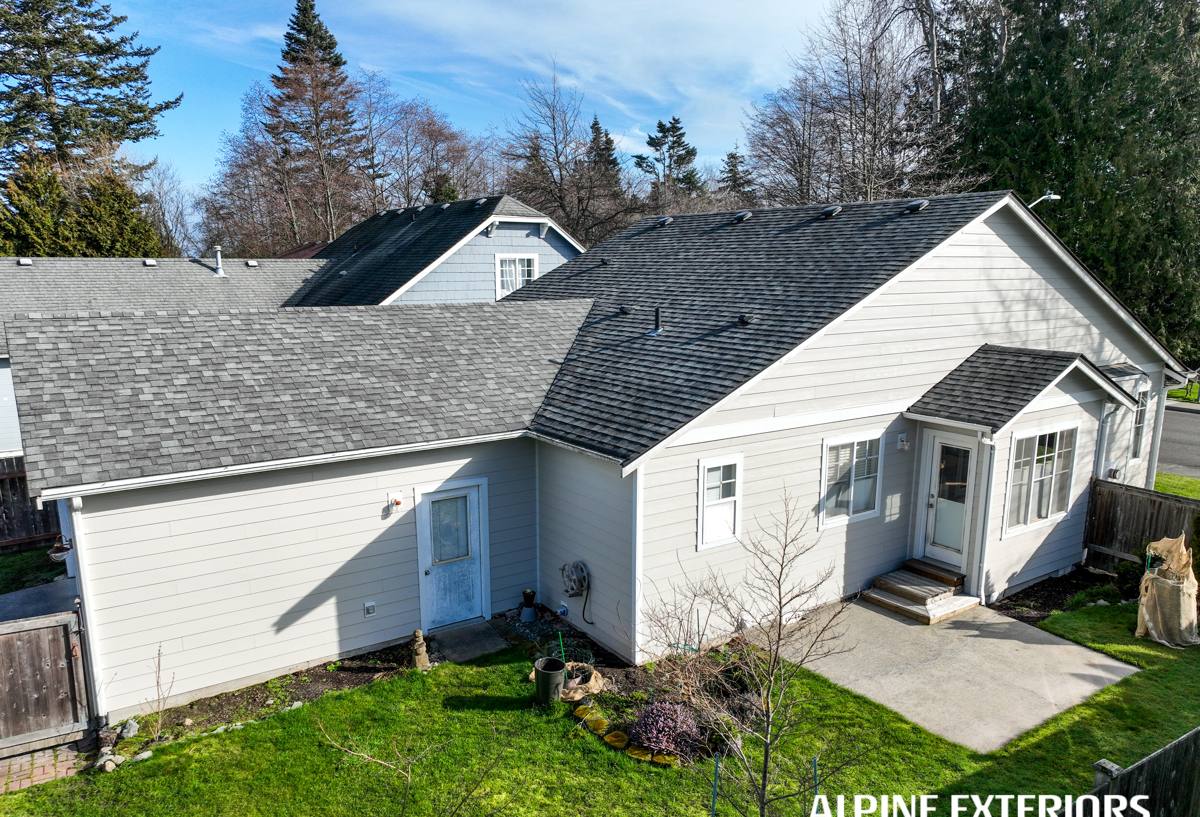
Why We Install James Hardie and Nothing Else
We made a deliberate decision years ago to standardize on James Hardie fiber cement siding exclusively. We don't install vinyl, LP SmartSide, Cemplank, Allura, or primed wood products like spruce or cedar. That's not a marketing position — it's a professional standard based on how these materials actually perform over time in exactly the climate conditions described above.
Hardie fiber cement is non-combustible, which matters in a state where wildfire risk and electrical fire exposure are real considerations for insurers and homeowners alike. It's also engineered specifically for humid, coastal climates through Hardie's HZ10 product line, which is formulated for higher-moisture regions like Florida's Gulf Coast. The factory-applied ColorPlus finish is baked on and warrantied against fading and peeling in a way that field-applied paint on other substrates simply can't match. And because the material itself is cement-based rather than wood-based or foam-based, it doesn't swell, rot, or attract the pests that can compromise wood-composite products in humid environments.
We're not going to pretend other siding products don't have their place in this industry — vinyl is inexpensive and easy to install, LP SmartSide has genuine fans among builders, and cedar has undeniable curb appeal. But when we weigh installation sensitivity, long-term moisture behavior, maintenance burden, and warranty structure against what a Town 'N Country home actually needs to survive year after year of Gulf Coast weather, Hardie fiber cement is what we're willing to put our name behind.
How We Approach a Town 'N Country Siding Project
Every siding job we run follows the same disciplined process, regardless of the neighborhood. What changes from project to project is how we tailor the details — fastener spacing, flashing details, and moisture management — to the specific exposure a given home has to sun, wind, and rain.
Assessment and Substrate Check
Before any siding goes up, we look at what's underneath. Existing sheathing, house wrap, and any prior moisture damage get evaluated. Fiber cement siding is only as good as the wall assembly behind it, so skipping this step is one of the most common ways a siding job fails prematurely, regardless of the product used.
Weather Barrier and Flashing
Proper water-resistive barrier installation and flashing at windows, doors, and penetrations is what actually keeps wind-driven rain out of the wall cavity. This is detail work that doesn't show up in a finished photo but determines whether a home stays dry through the next tropical storm.
Fastening to Manufacturer and Wind-Zone Spec
James Hardie publishes specific fastening requirements based on local wind exposure. In a hurricane-prone county like Pinellas, we follow those specs precisely rather than cutting corners on fastener count or spacing — a shortcut that might look fine on installation day but shows up as a failure point in the next major storm.
Finish and Trim Detailing
Clean caulk lines, properly primed cut edges, and correctly installed trim aren't cosmetic extras — they're what keeps moisture from getting behind the siding at the seams. This is where a lot of lower-cost installations cut corners, and it's usually where problems start.
Comparing Siding Approaches for This Climate
| Factor | Vinyl Siding | Wood/Composite (LP, Cedar) | James Hardie Fiber Cement |
|---|---|---|---|
| UV and heat resistance | Can warp or fade under sustained sun | Coating breaks down; needs repainting | ColorPlus factory finish resists fading |
| Moisture behavior | Generally water-resistant but can trap moisture behind panels | Prone to swelling, rot if moisture gets in | Cement-based; doesn't rot or swell |
| Wind performance | Lower impact and wind resistance ratings | Varies by product and installation | Engineered and rated for high-wind installation |
| Fire resistance | Combustible | Combustible | Non-combustible |
| Maintenance | Low, but cracks and fades over time | Regular repainting and moisture monitoring | Minimal; factory finish, no repainting cycle |
What Correct Installation Actually Requires
- Substrate and existing wall assembly inspected before any siding is installed
- House wrap or water-resistive barrier installed or verified, with proper overlaps
- Flashing installed correctly at every window, door, and wall penetration
- Fastener type, spacing, and placement matched to Hardie's published specifications for the wind zone
- Proper clearance maintained between siding and grade, roofing, and other transitions to prevent trapped moisture
- Cut edges primed and joints properly caulked or flashed
- Trim and finish work completed to shed water away from seams
Beyond Siding: A Full Exterior Approach
Siding doesn't work in isolation. The roof above it, the windows set into it, and any attached structures like decks all interact with how well a home's exterior handles Florida weather. We handle roofing, windows, and decks in addition to siding, which means when we're on a property in Town 'N Country, we're looking at the whole exterior envelope, not just one component. A new roof with poor flashing at the wall line can undermine even a perfectly installed siding job, and vice versa. Homeowners planning a larger exterior project benefit from having one contractor who understands how these systems need to work together.
Why a Local Crew Matters Here
Siding installation isn't one-size-fits-all across Florida, let alone across the country. A crew that regularly works in Pinellas County understands the specific wind-zone requirements that apply locally, knows how to detail a job for salt air exposure, and has seen firsthand what happens when moisture management gets skipped on a Gulf Coast home. That familiarity translates into fewer surprises during installation and a finished product that's actually built for what Town 'N Country weather will throw at it over the coming years, not just what looks good on installation day.
Signs Your Current Siding May Be Falling Short
Homeowners often live with early warning signs longer than they should, mainly because the damage isn't dramatic at first. Watch for:
- Visible warping, buckling, or gaps between siding panels
- Paint that's peeling, chalking, or fading unevenly
- Soft spots or discoloration that suggest moisture behind the siding
- Rust streaking from fasteners or trim
- Increasing energy bills that may point to a compromised exterior envelope
None of these issues are urgent emergencies on their own, but left unaddressed through another storm season, they tend to compound.
If you're weighing a siding project for a home in Town 'N Country or elsewhere around Oldsmar, we're glad to take a look and talk through what your home actually needs. Reach out for a free, no-pressure estimate using the form below.