 Oldsmar Siding
 Siding Work in the Westchase Area, Handled by an Oldsmar-Based Crew
Homes in and around Westchase sit in one of the more demanding exterior environments in the country. It's not any single event that wears a house down — it's the combination. Long, humid summers bake exterior surfaces under intense UV. Afternoon thunderstorms drive rain sideways into walls and trim. Every few years, a tropical system pushes sustained wind loads and gusts through the neighborhood that most siding products were never designed to handle. And because this area sits close enough to Tampa Bay and the Gulf, salt-laden air is a constant, low-grade corrosive presence even on homes that aren't waterfront. None of that is unique to Westchase, but it's the reality every exterior material on a home here has to survive, year after year, without a lot of forgiveness for shortcuts.
We're based out of Oldsmar and work this part of Pinellas and the surrounding Tampa Bay area regularly, which matters more than most homeowners realize when they're comparing contractors. A crew that works this specific climate zone knows how local humidity affects cure times, how wind-driven rain finds its way behind poorly flashed trim, and which details actually fail first on homes here versus homes in a drier, calmer part of the country. That local pattern recognition is a big part of what separates a siding job that holds up for decades from one that starts showing problems in year five.
What Westchase-Area Homes Tend to Face
Sun and Heat
Florida sun is relentless on painted and coated surfaces. UV breaks down pigments and resins over time, which is why so many homes in this area show chalking, fading, or uneven color on the sun-facing sides of the house well before the shaded sides show any wear. Materials and finishes that aren't engineered for this UV load simply don't last as long here as they might in a milder climate.
Wind-Driven Rain and Humidity
Storms here rarely deliver rain straight down. Wind pushes moisture sideways into siding, trim joints, and window and door openings. Combined with high ambient humidity for most of the year, this creates conditions where any weak point in the water management system — a gap in flashing, a poorly caulked seam, an undersized J-channel — becomes a slow, hidden path for moisture to get behind the exterior and into the wall assembly.
Hurricane-Force Wind
Even homes that never take a direct hit from a named storm still get exposed to hurricane-force gusts from systems passing through the wider Gulf Coast region. Siding, trim, and fasteners all need to be rated and installed to handle real wind load, not just fair-weather conditions.
Salt Air
You don't need to live directly on the water to feel the effects of salt air. It travels inland on Gulf breezes and accelerates corrosion on fasteners, flashing, and any metal components on the exterior of the home. Over years, that corrosion can compromise the very hardware holding your siding and trim in place.
Why We Install Only James Hardie Fiber Cement Siding
We don't install vinyl, LP SmartSide, Cemplank, Allura, or primed wood siding like spruce or cedar. That's a deliberate standard, not an oversight, and it comes directly from what we see this climate do to exterior materials over time.
Vinyl softens, warps, and can crack under sustained high heat and UV exposure, and it has real limits in high-wind events. Engineered wood products like LP SmartSide perform well in many parts of the country, but they rely on a wood-strand core and factory treatment that has to stay properly sealed at every cut, seam, and fastener point — miss one detail in a humid climate like this and moisture intrusion becomes a real risk. Primed wood siding such as cedar or spruce needs an active paint maintenance schedule to survive Gulf Coast sun and rain, and skipping even a cycle or two can shorten its life significantly. Other fiber cement brands like Cemplank and Allura are legitimate products, but we've standardized on one manufacturer so we can guarantee consistent quality control, factory finish performance, and warranty support on every home we touch.
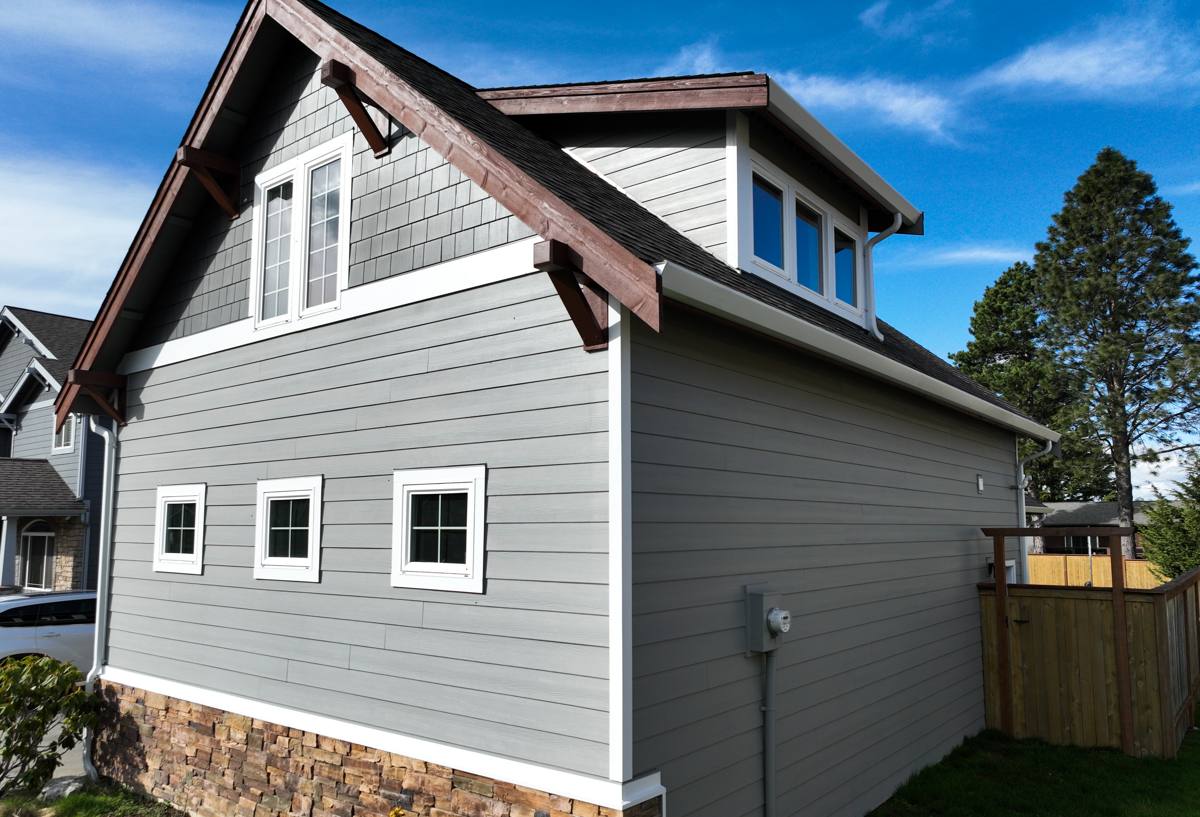
James Hardie fiber cement is non-combustible, dimensionally stable in heat and humidity, and manufactured in HZ5 formulations specifically engineered for hot, humid, high-moisture climates like ours. The ColorPlus factory finish is baked on under controlled conditions and backed by a finish warranty that a field-applied paint job can't match — which matters enormously under this much sun. It's not the cheapest material on the market, and it's not the lightest to install, but it's the product we're comfortable standing behind on homes that have to take this kind of weather every single year.
How We Approach a Siding Project in Westchase
- An on-site inspection of your current siding, trim, and any moisture or wind-related damage already present
- A look at the wall assembly and existing water management details, since correcting flashing and moisture barriers is often more important than the siding material itself
- A material and color plan using James Hardie's HZ5 boards, trim, and ColorPlus finish options suited to Gulf Coast exposure
- Installation following Hardie's published fastening, clearance, and flashing specifications — the details that determine whether a fiber cement job performs for decades or fails early
- A final walkthrough covering warranty registration and basic care going forward
Correct installation is what makes fiber cement live up to its reputation. Improper nailing patterns, missing clearances at the ground and roofline, or skipped flashing details can undermine even the best material. That's a big part of why we keep this work in-house with a crew that installs Hardie products regularly rather than occasionally.
Roofing, Windows, and Decks — The Rest of the Envelope
Siding is only one piece of how a home holds up against Gulf Coast weather. We also handle roofing, windows, and decks, because these systems all interact. A roof with failing flashing can send water down behind siding that's otherwise in good shape. Windows with worn seals let wind-driven rain track down into wall cavities. A deck exposed to the same sun and humidity needs materials and fastening that account for the same conditions your siding does. When one contractor handles the full exterior, water management gets coordinated across the whole envelope instead of treated as separate, disconnected projects.
Cost Factors on a Siding Project
Every home is different, so we don't publish blanket pricing — but these are the main factors that move the number on a real estimate:
| Factor | Why It Matters |
|---|---|
| Home size and wall complexity | More square footage, corners, and dormers mean more material and labor |
| Current siding removal | Tear-off and disposal of existing material adds time versus building on new construction |
| Trim and detail level | Custom trim, shutters, and architectural details increase both material and labor |
| Board profile and finish color | Plank width, texture, and ColorPlus color selection affect material cost |
| Underlying moisture or structural repair | Rot or water damage found once old siding comes off has to be addressed before new siding goes on |
| Access and site conditions | Landscaping, fencing, or tight lot lines can affect staging and labor time |
Maintenance: What Fiber Cement Actually Needs
One of the appeals of James Hardie siding in this climate is how little it demands compared to wood or vinyl, but "low maintenance" doesn't mean "no maintenance." A short annual routine goes a long way:
- Rinse the exterior periodically to clear salt residue, pollen, and general grime buildup
- Inspect caulking around windows, doors, and trim joints for cracking or gaps once a year
- Walk the perimeter after any major storm to check for impact damage or lifted trim
- Keep sprinklers and irrigation from spraying directly onto siding on a regular basis
- Trim back landscaping that holds moisture against the wall or rubs against the siding
- Watch ground-level clearance so mulch or soil doesn't build up against the bottom of the siding
What to Look For in a Local Contractor
Hurricane-prone, salt-air climates are unforgiving of shortcuts, so vetting matters more here than in milder regions. Ask any contractor you're considering about their experience specifically with fiber cement installation, their approach to flashing and water management details, and how they handle warranty registration with the manufacturer. A contractor who works this exact region regularly — not just occasionally — will have a clearer answer for how they handle wind load, moisture, and salt exposure than one who mostly works inland or in a different climate zone.
A Local Crew Working Your Neighborhood
Being based in Oldsmar means we're not driving in from across the state for a single job and then disappearing. We're working this same stretch of the Tampa Bay area consistently, which means if a warranty question or a minor issue comes up after the job is done, we're not hard to reach. For a material investment meant to protect your home for decades, that kind of accountability is worth as much as the product specs.
If you're weighing siding options for a home in the Westchase area — or roofing, windows, or a deck alongside it — we're happy to walk the property, look at what your exterior is currently dealing with, and put together a straightforward, no-pressure estimate. Use the form below to get started.