 Oldsmar Siding
 Siding in East Lake: Built for a Specific Kind of Weather
East Lake sits inland from the Gulf but still lives inside Pinellas County's coastal climate zone — which means homes here deal with the same punishing combination that hits the rest of the Tampa Bay area: long stretches of intense UV, humidity that never really lets up, sudden wind-driven rain, and salt-laden air that travels farther inland than most homeowners expect. Add hurricane season's wind gusts to that list, and you have a set of conditions that will find every weakness in a home's exterior over time. Siding in this part of Florida isn't just a cosmetic choice — it's the layer standing between your framing and a climate that works against it every single day.
Oldsmar Siding Company works throughout East Lake and the surrounding Oldsmar area, and we've built our business around one product decision that shapes everything else we do: we install James Hardie fiber cement siding exclusively. Not vinyl, not LP SmartSide, not primed wood. This page explains what East Lake homes are up against, how our siding, roofing, window, and deck work fits together as a full exterior system, and why we standardized on Hardie instead of offering a menu of cheaper alternatives.
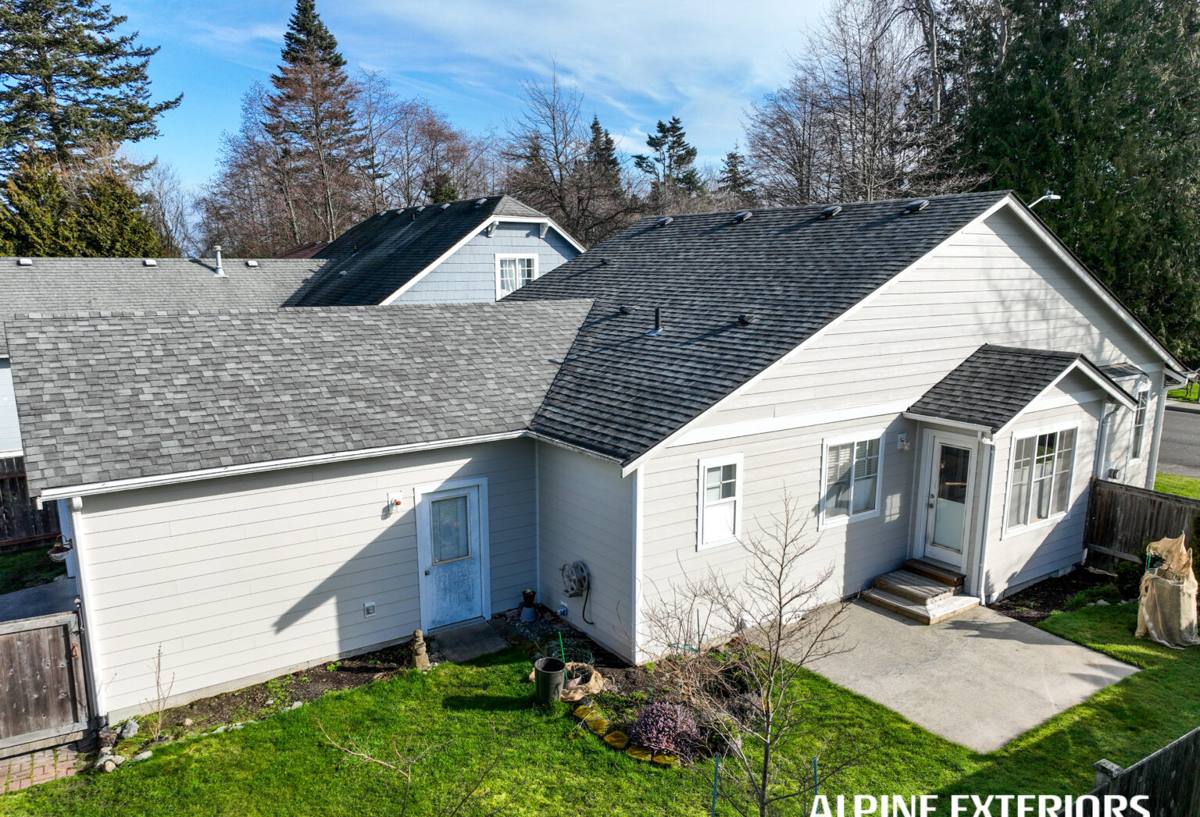
What East Lake Homes Are Up Against
UV and Heat Cycling
Florida sun is relentless, and it doesn't take a summer off. Siding facing south and west absorbs hours of direct UV exposure daily, which degrades paint films, breaks down lower-grade composites, and causes repeated expansion and contraction as surfaces heat up during the day and cool at night. Over years, that cycling is what causes cheaper siding materials to crack, warp, or fade unevenly.
Humidity and Moisture Intrusion
Pinellas County's humidity is a year-round presence, not just a summer condition. Any siding product that absorbs moisture — through end cuts, seams, or a compromised surface — is at risk for swelling, rot, or mold growth behind the cladding. Wind-driven rain, common during Florida's afternoon storms and tropical systems, pushes water sideways into laps and joints that aren't designed or installed correctly, which is why installation quality matters as much as the product itself.
Salt Air, Even Inland
East Lake isn't beachfront, but Gulf-driven air currents carry salt further inland than people assume, especially during onshore wind events. Salt exposure accelerates corrosion on fasteners and trim and can contribute to the breakdown of certain finishes over time. It's a slower, quieter threat than a hurricane, but it adds up over the life of a home.
Wind Load During Storm Season
Hurricane-force wind events put direct mechanical stress on exterior cladding — pulling at fastener points, testing lap seams, and exploiting any panel that wasn't rated or installed for the load. Siding that isn't engineered and installed with Florida wind zones in mind is the first thing to fail when a storm rolls through.
Why We Only Install James Hardie
We used to get asked why we don't offer vinyl or engineered wood siding as a "budget option." The honest answer is that we looked at how those products actually perform in this specific climate over 10, 15, 20 years, and we decided we weren't comfortable putting our name behind installations we expected to need early intervention.
James Hardie fiber cement is non-combustible, dimensionally stable across Florida's heat and humidity swings, and doesn't rely on a coating alone to resist moisture — the material itself is engineered to hold up in wet, cyclical climates. Hardie also produces an HZ5 product line specifically engineered for high-humidity, storm-prone climates like ours, which is a meaningful difference from a one-size-fits-all product sold nationwide.
The factory-applied ColorPlus finish is baked on under controlled conditions, not brushed or sprayed on-site, which gives it more consistent UV and fade resistance than field-applied paint. And Hardie backs its products with a strong, transferable limited warranty — a real consideration for East Lake homeowners who may sell within the product's lifespan.
None of this means other products are without merit. Vinyl is inexpensive and low-maintenance in mild climates. Engineered wood has a warmer, more traditional look some homeowners prefer. But when we weigh moisture behavior, wind performance, and long-term maintenance burden against what Pinellas County actually throws at a house, fiber cement is the product we're willing to stand behind — so it's the only one we install.
How We Approach a Siding Project in East Lake
Assessment First
Every project starts with a look at your home's current siding condition, moisture history, and any problem areas — soffits, trim, window returns — that tend to take the most abuse locally. We're not selling a product before we understand the house.
Installation to Manufacturer Spec
Fiber cement performs the way it's rated to perform only when it's installed correctly: proper clearances, correct fastener patterns, sealed and flashed penetrations, and lap details that shed wind-driven rain instead of trapping it. A lot of the early failures people associate with fiber cement siding trace back to installation shortcuts, not the material itself.
Full Exterior Coordination
Siding doesn't work in isolation. We also handle roofing, windows, and decks, which matters because water intrusion problems are often a systems issue — a roof-to-wall flashing detail or a window that isn't properly integrated with the siding plane can undermine even a perfect siding install. Working across all four trades lets us catch those handoff points instead of leaving them to chance between separate contractors.
Siding Options: A Quick Comparison
| Factor | James Hardie Fiber Cement | Vinyl | Engineered Wood (LP-type) |
|---|---|---|---|
| Moisture resistance | Engineered for wet climates (HZ5 line) | Doesn't absorb moisture, but seams can trap water behind panels | Vulnerable if edges/seams aren't sealed and maintained |
| UV/fade resistance | Factory ColorPlus finish, consistent fade resistance | Can fade and become brittle under prolonged UV | Field-applied paint fades unevenly over time |
| Wind performance | Rated for high wind zones when installed to spec | Lighter panels more prone to wind damage | Moderate; depends on installation and product line |
| Fire resistance | Non-combustible | Combustible | Combustible |
| Typical warranty | Long-term, transferable limited warranty | Varies widely by manufacturer | Varies; often shorter than fiber cement |
Maintenance East Lake Homeowners Should Actually Expect
No siding is maintenance-free, and we'd rather tell you that upfront than have you find out the hard way. Hardie fiber cement holds its finish far longer than field-painted alternatives, but a few habits still matter:
- Rinse siding periodically to clear salt residue and organic buildup, especially on north-facing walls that stay shaded and damp longer
- Keep gutters and downspouts clear so water isn't sheeting down siding faces during heavy storms
- Inspect caulking around windows, doors, and trim annually — sealant failure, not the siding itself, is usually the first thing to give
- Trim back landscaping that holds moisture against the siding surface
- Have a professional check fastener heads and trim after major storm events
Roofing, Windows, and Decks Alongside Your Siding
Because we work across the full exterior, East Lake homeowners often bundle projects. A roof replacement is a natural time to address flashing and soffit details that affect siding performance. Window replacement done alongside a siding project lets us integrate flashing and trim in one continuous plane instead of patching around existing gaps. And decks in this climate face their own UV and moisture exposure, which is worth planning for at the same time if you're already investing in your home's exterior.
What to Ask Before Hiring Any Exterior Contractor
- Are they licensed and insured to work in Pinellas County?
- Do they install to the manufacturer's specific climate-zone requirements, or a generic national standard?
- Will they explain trade-offs honestly instead of just upselling the most expensive option?
- Do they coordinate roofing, siding, and window work, or hand you off between separate crews?
- Can they explain what's driving their material recommendation — and are they willing to say why they don't offer certain products?
A Local Crew Matters More Than It Sounds
A lot of exterior work gets done by crews that rotate through multiple regions and treat every job with a generic playbook. That approach misses the details that matter in a climate like ours — how far salt air actually travels inland in East Lake, which wall orientations take the worst wind-driven rain, how local wind zone requirements affect fastening schedules. A crew that works this area regularly builds a working knowledge of those patterns that a one-size-fits-all installer doesn't have.
Get a Straightforward Estimate
If you're weighing a siding project in East Lake — whether it's a full replacement, storm damage repair, or you're just trying to understand your options before committing — we're happy to take a look and give you a straightforward, no-pressure assessment. Reach out through the form below to schedule a free estimate.