 Oldsmar Siding
 Two Fiber Cement Products, One Local Standard
Cemplank and James Hardie both make fiber cement siding, and on paper they look similar: cement, sand, and cellulose fiber pressed into planks that resist fire, rot, and pests better than wood or vinyl. If you've been quoting your Oldsmar siding project and seeing both names come up, you're probably wondering what actually separates them. We get asked this a lot, and the honest answer is that Cemplank isn't a bad product. It's a fiber cement product made by Foundation Building Materials, and it does the basic job fiber cement is supposed to do. But after years of installing siding on homes across Pinellas County, we made a decision to install James Hardie exclusively, and we think homeowners deserve to know why rather than just being told "trust us."
This page isn't a takedown of Cemplank. It's a rundown of the practical differences that matter when your siding has to survive hurricane-force wind gusts, months of intense UV, wind-driven rain, and salt air rolling in off Tampa Bay and the Gulf, year after year.
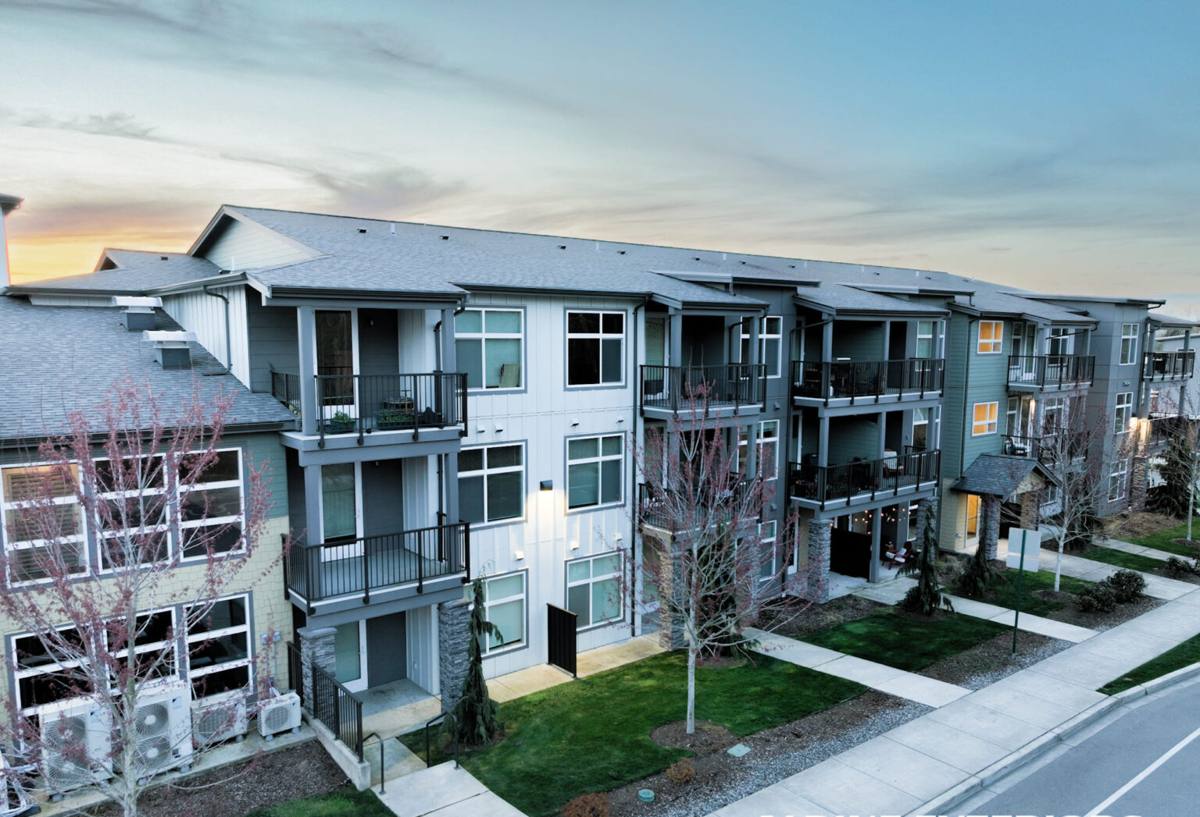
What Cemplank Gets Right
Fiber cement as a category is a legitimate upgrade over vinyl or wood in this climate, and Cemplank shares the core advantages of the material:
- Non-combustible — it won't ignite or contribute fuel to a fire, which matters for insurance and safety alike
- Resistant to termites and wood-boring insects, a real concern in Florida
- Holds up to wind-driven rain far better than vinyl lap siding, which can flex, crack, or blow off in a strong gust
- Doesn't warp, rot, or delaminate the way untreated wood siding does in humid conditions
- Priced somewhat below James Hardie in most markets, which matters on tight budgets
If your only comparison is Cemplank versus vinyl, or Cemplank versus untreated wood, Cemplank wins that comparison easily. The real question homeowners in Oldsmar should be asking is more specific than "fiber cement or not" — it's which fiber cement system, backed by which manufacturing process, warranty, and factory finish.
Where the Two Products Actually Diverge
Factory Finish vs. Field-Applied Paint
This is the single biggest difference and the one that drives most of our decision. James Hardie's ColorPlus Technology bakes a multi-coat, UV-cured finish onto every plank at the factory, under controlled conditions, before it ever reaches a jobsite. Cemplank, depending on the product line, is more commonly supplied primed and finished after installation, with paint applied on-site by the installing contractor.
Field-applied paint is only as good as the weather conditions on the day it's sprayed, the number of coats actually applied, and the skill of whoever's holding the sprayer. In our experience, factory-applied finishes cure more evenly, adhere better to the substrate, and hold color longer under the kind of relentless UV exposure Pinellas County sees nearly twelve months a year. A finish that starts fading or chalking in year four or five isn't just a cosmetic problem — it's a maintenance cost you didn't budget for.
Climate-Engineered Product Lines
James Hardie manufactures regional formulations, including an HZ5 line engineered specifically for humid, high-moisture climates like ours. The board composition and moisture-management characteristics are tuned for the Gulf Coast rather than being a single national formula. Cemplank does not offer this kind of regionally engineered differentiation — it's a more generalized product across climate zones. In a market where humidity, salt air, and wind-driven rain are constants rather than occasional stressors, we've found that detail matters more than it sounds like it should on a spec sheet.
Warranty Structure
James Hardie backs its siding with a non-prorated limited warranty and, on ColorPlus products, a separate finish warranty that stays with the home even after it changes hands, subject to standard transfer terms. Cemplank's warranty coverage is generally shorter in duration and, on primed products, doesn't cover the field-applied paint job at all — that's on whoever painted it. When something goes wrong ten or fifteen years down the road, the difference between a warranty that follows the house and one that doesn't is the difference between a phone call and a bill.
Installation Sensitivity
Both products require correct fastening, clearances, and caulking to perform as designed — that's true of any fiber cement siding. But primed products that get their real finish coat on-site add a variable that factory-finished products don't have: the installation crew's paint work becomes part of the product's long-term performance, not just its installation. A rushed or under-coated paint job on a primed board can shorten the effective life of the finish well before the underlying board is anywhere near end of life.
Side-by-Side Comparison
| Factor | Cemplank | James Hardie |
|---|---|---|
| Finish | Commonly primed, field-painted | Factory-applied ColorPlus finish, UV-cured |
| Climate-specific engineering | General formulation | HZ5 line engineered for humid Gulf Coast climates |
| Finish warranty | Typically not covered on primed product | Separate ColorPlus finish warranty, transferable |
| Core product warranty | Limited, shorter duration | Non-prorated limited warranty |
| Upfront cost | Generally lower | Moderately higher |
| Long-term maintenance | Repaint cycle depends on field application quality | Longer interval before repaint typically needed |
Why Oldsmar's Climate Makes This Decision Sharper
Oldsmar sits on the edge of Tampa Bay, which means every home in town deals with a specific combination of stressors: salt-laden air moving in off the water, direct tropical sun for most of the year, seasonal tropical storms and hurricane-force wind events, and the kind of wind-driven rain that finds every gap in a building envelope that isn't sealed correctly. Siding here isn't decorative — it's the first line of defense for the structure behind it.
A field-applied finish that's slightly under-cured or a board formulation that isn't tuned for constant humidity might perform fine in a drier, milder climate and still show problems here years sooner. That's not a knock on Cemplank as a company — it's a reflection of the fact that Pinellas County is a harder environment to build in than most of the country, and we'd rather spec the product engineered for it than the one that's merely adequate for it.
Why We Standardized on James Hardie
We made the call, as a company, to install James Hardie exclusively rather than quoting both products and letting price alone decide. A few reasons drove that:
- The factory-applied ColorPlus finish removes the biggest variable in long-term siding performance — the paint job — from the installation itself
- HZ5 formulation is built for exactly the humidity and moisture exposure Oldsmar homes face
- A warranty that transfers with the home protects the investment for whoever owns it next, not just the original buyer
- Standardizing on one system means our crews install it constantly, know its quirks cold, and don't split expertise across multiple product lines
That last point matters more than homeowners usually expect. A crew that installs one system exclusively catches problems — a bad batch, a flashing detail, a fastener spacing issue — faster than a crew juggling several product lines with different installation specs.
What to Ask Any Contractor Quoting Fiber Cement
Whether you end up going with us or someone else, these are the questions worth asking before you sign anything:
- Is the siding factory-finished or will it be primed and painted on-site?
- Is the product formulated for humid, coastal climates, or is it a general national product?
- Does the warranty cover the finish separately from the board itself, and is it transferable if you sell the home?
- How many years has the crew been installing this specific product, not just fiber cement in general?
- What's the manufacturer's minimum clearance requirement from grade, roofline, and other penetrations — and will the crew actually hold to it?
The Bottom Line
Cemplank is a real fiber cement product with real advantages over vinyl or wood, and it isn't the wrong choice for every homeowner in every climate. But for a home in Oldsmar, sitting under intense year-round sun with salt air and hurricane season as permanent facts of life, we've concluded that James Hardie's factory-cured finish, climate-specific HZ5 formulation, and transferable warranty structure hold up better over the decades your siding actually has to perform. That's why it's the only product we put on homes — not because Cemplank is disqualifying, but because we'd rather stand behind one system we know inside and out than split the difference.
If you're weighing your options for a siding project in Oldsmar or anywhere in Pinellas County, we're happy to walk through what we install, why, and what it would look like on your home. Reach out for a free, no-pressure estimate — no obligation, just straight answers.