 Oldsmar Siding
 Exterior Work Built for the Clearwater and Oldsmar Climate
Homes along this stretch of Pinellas County live under a harsher exterior workload than most homeowners realize until something starts to fail. Between Clearwater and Oldsmar, siding, roofing, windows, and decking all face the same core stressors: hurricane-force wind events, intense year-round UV exposure, wind-driven rain that gets forced sideways into wall assemblies, and a steady dose of salt air drifting in off the Gulf and Tampa Bay. None of these are occasional problems. They're the baseline conditions a house here deals with every single year, which is why the materials and installation methods that work fine in a drier, calmer climate often disappoint homeowners in this one.
We're a local exterior contractor working this area, and our approach is shaped entirely around what actually holds up here rather than what looks good on a spec sheet in a showroom somewhere else.
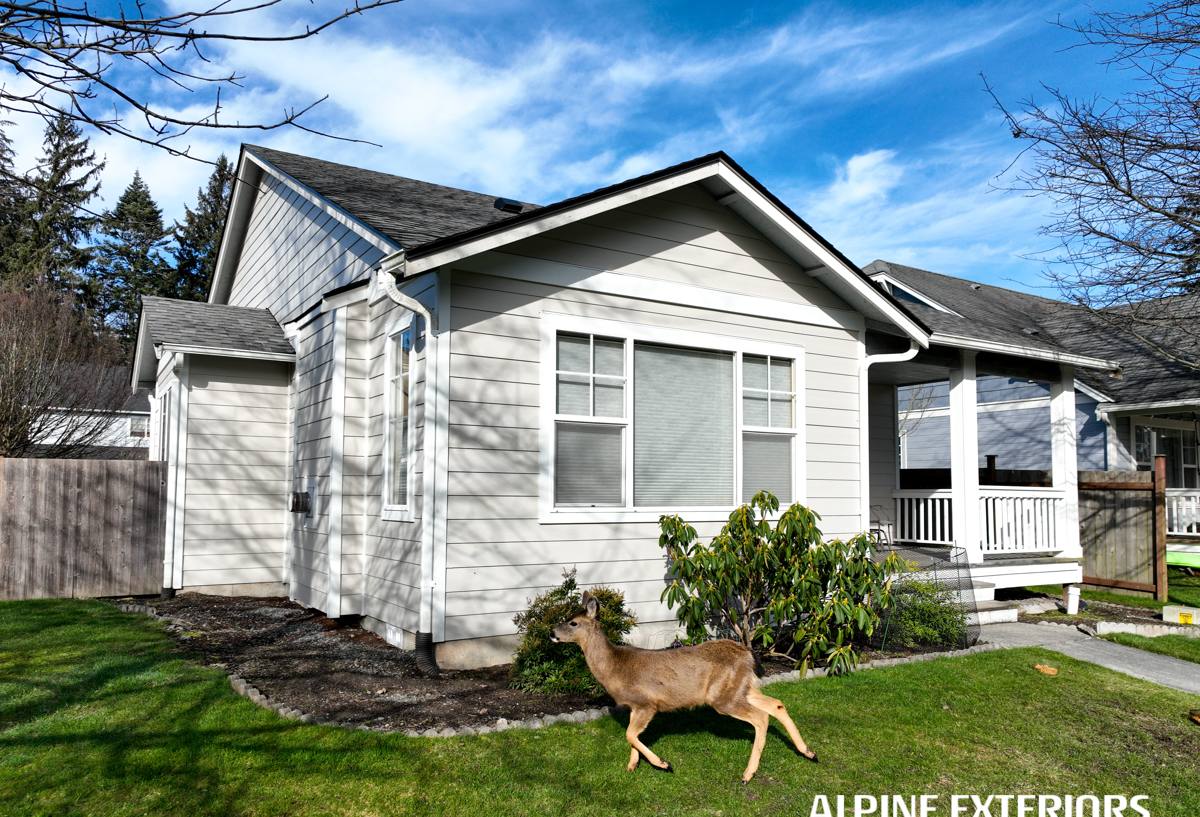
What Local Homes Are Up Against
Wind and Storm Exposure
Pinellas County sits in an active hurricane corridor, and even in years without a direct hit, homes take on repeated tropical storm-force wind events. Siding needs to stay fastened and intact under sustained wind loads, not just survive one bad afternoon. Roofing systems need wind ratings that match the real risk, not the minimum code requirement. Windows and their surrounding flashing take direct pressure and debris impact.
Wind-Driven Rain
Rain that comes in horizontally during a storm doesn't behave like rain falling straight down. It gets pushed up under laps, into seams, and around penetrations that would stay dry in calmer weather. Siding and window installations that rely on caulk alone, rather than proper flashing and drainage planes, tend to leak first during these events — and the leaks often show up well after the storm, once moisture has had time to work its way through.
Year-Round UV
Florida sun is relentless on painted and coated surfaces. Paint film breaks down faster here than almost anywhere else in the country, and cheaper trim or siding substrates can degrade, chalk, or fade within a few years. This is a big part of why factory-applied, UV-stabilized finishes matter so much more here than in northern climates.
Salt Air
Even a few miles inland from the water, salt-laden air accelerates corrosion on fasteners, flashing, and any exposed metal components. Materials and hardware need to be rated for it, and installation details need to keep moisture from sitting against vulnerable points.
Siding: Why We Only Install James Hardie Fiber Cement
We made a deliberate decision to install James Hardie fiber cement siding exclusively, and not vinyl, LP SmartSide, Cemplank, Allura, primed spruce, or cedar. This isn't a marketing stance — it comes from what we've seen hold up, and not hold up, in exactly this climate.
Where the alternatives fall short here specifically
- Vinyl siding can soften, warp, or blow off in sustained high winds, and it has real limits on installation temperature and fastening tolerance that make it more failure-prone in storm-driven conditions.
- Wood products (cedar, primed spruce) require ongoing maintenance to fight rot and insect damage in humid, moisture-heavy conditions, and painted wood surfaces take a beating from constant UV exposure.
- LP SmartSide is an engineered wood product, meaning it still depends on an intact protective coating to resist moisture. Any breach in that coating — a scratch, a poorly sealed cut edge, a nail pop — opens a path for moisture absorption and swelling, which is a bigger risk in a humid, rain-heavy climate than in a dry one.
- Cemplank and Allura are also fiber cement products and share some of Hardie's core strengths, but we standardized on one manufacturer, one factory-finish system, and one warranty structure so we can install to a single spec we know inside and out, rather than juggling multiple products with different installation quirks.
Fiber cement as a category resists the things that matter most here: it doesn't burn, it doesn't rot, and it holds up to wind-driven rain far better than wood-based products because it isn't dependent on an unbroken coating to stay dimensionally stable.
What James Hardie Gets Right
James Hardie's ColorPlus factory finish is baked on and cured before the boards ever reach a job site, which gives it much better UV and fade resistance than field-applied paint — a meaningful advantage under Florida sun. Hardie also engineers specific product lines (their HZ5 designation, for example) for high-humidity, storm-prone climates like ours, adjusting the formulation for better performance against moisture and cracking. The transferable limited warranty is also stronger and more straightforward than what most competing products offer, which matters if you ever sell the home.
None of this means fiber cement is maintenance-free or that installation quality doesn't matter — it matters enormously, which is the next section.
Installation Quality Matters More Here Than the Product Itself
Fiber cement siding performs exactly as well as its installation. Correct fastening patterns, proper clearances above grade and roof lines, correctly lapped and flashed joints, and manufacturer-spec caulking at penetrations are what actually keep wind-driven rain out. A quality product installed with shortcuts will fail in the same ways a cheap product does — just more slowly. This is true of every exterior trade we perform, not just siding.
Roofing Considerations for This Area
Roofs here need wind-rated systems, properly sealed underlayment, and flashing details that can handle both driving rain and long-term UV exposure on shingles or tile. A roof that's slightly under-specified for local wind loads, or installed with weak flashing at valleys and penetrations, tends to show its weaknesses during the next serious storm rather than gradually over time. We evaluate roofing the same way we evaluate siding: what will actually perform under this area's real conditions, not just what meets minimum code.
Windows and Doors
Impact-rated or properly reinforced windows matter for both storm protection and daily comfort, since UV and heat gain are constant issues here. Just as important as the glass itself is the flashing and sealing around the window opening — a well-rated window installed with poor flashing will still leak in wind-driven rain. We pay close attention to that installation detail, not just the product spec.
Decks in a Salt-Air, High-UV Environment
Outdoor living spaces take a different kind of abuse: constant sun exposure, humidity, and salt air accelerating corrosion on fasteners and hardware. Material choice and hardware rating both matter for longevity, and we build decks with that environment in mind rather than treating it like a dry-climate project.
Cost Factors to Understand Before You Get Quotes
| Factor | Why It Affects Price |
|---|---|
| Home size and wall complexity | More corners, gables, and trim details mean more material and labor time |
| Existing wall condition | Rot, water damage, or sheathing repair adds cost before new siding goes up |
| Siding profile and trim selection | Lap width, trim boards, and accent details change material quantities |
| Tear-off vs. overlay | Removing old siding down to the sheathing costs more upfront but avoids hiding problems |
| Access and site conditions | Multi-story sections, tight lot lines, or landscaping obstacles affect labor time |
Why a Local Crew Matters
A contractor working Clearwater and Oldsmar regularly understands the specific wind, rain, and humidity patterns of this stretch of coastline in a way an out-of-area crew simply doesn't. That translates into practical decisions — flashing details sized for real storm exposure, fastening schedules that account for local wind ratings, and product choices that hold up to salt air rather than just looking good on install day. It also means someone who's actually reachable if a question comes up after the job is done.
What to Look for When Vetting an Exterior Contractor Here
- Proper licensing and insurance valid in Florida, with proof provided before work begins
- Manufacturer training or certification on the specific siding system they're installing
- A clear, written scope of work covering flashing, fastening, and moisture-management details — not just "siding replacement"
- Willingness to explain why they use the materials they use, including trade-offs
- Local references or a track record of jobs in the same climate conditions
- A warranty that covers both materials and workmanship, explained in plain terms
If your home in Clearwater or Oldsmar is due for new siding, a roof update, replacement windows, or a deck built to handle Gulf Coast conditions, we're happy to take a look and put together a straightforward, no-pressure estimate — just fill out the form below to get started.