 Oldsmar Siding
 Roofing Built for a Lutz-Area Climate, Not a Catalog Photo
Homes in and around the Lutz area near Oldsmar deal with a specific combination of weather that most roofing material was never designed for in a generic sense. Between the intense, near-constant UV exposure, the wind-driven rain that comes off summer storms and tropical systems, the periods of hurricane-force wind gusts, and the salt-laden air pulled in off the Gulf and Tampa Bay, an asphalt shingle roof here ages differently than the same product would on a house in a cooler, drier state. A shingle roof that's installed correctly for this climate can hold up for decades. One that's installed with shortcuts — wrong nailing pattern, missed flashing detail, poor ventilation — tends to show problems early, usually right after the first serious storm season.
This page is specifically about asphalt shingle roofing for homes in the Lutz area we serve out of Oldsmar. It's not a general roofing overview. We're covering what this climate actually does to a shingle roof, what a correctly built system looks like, how we approach the work, and why local experience matters more than most homeowners realize until it's too late.
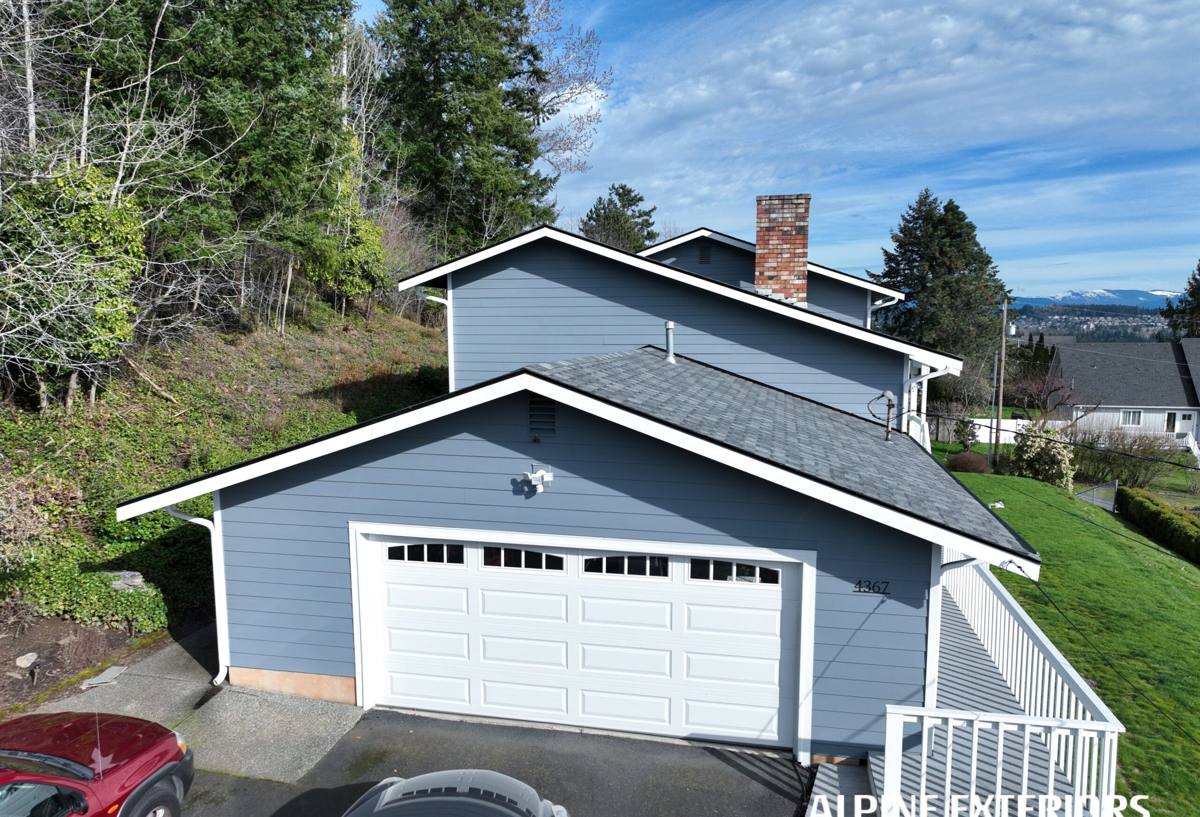
What This Climate Actually Does to a Shingle Roof
Pinellas County and the surrounding Tampa Bay region sit in a subtropical zone with a long, intense summer and a real hurricane season. A few specific stresses show up again and again on roofs in this area:
- UV degradation: Year-round sun exposure breaks down the asphalt and the granules that protect it faster than in milder climates, which is why shingle warranties often mean less here than in cooler regions.
- Wind uplift: Sustained coastal breezes and periodic tropical-storm or hurricane-force gusts put constant lifting pressure on shingle edges, ridges, and any spot where fasteners or adhesive weren't done right.
- Wind-driven rain: Storms here rarely fall straight down. Rain gets pushed sideways and upward under shingle edges, which is why underlayment and flashing quality matter as much as the shingles themselves.
- Salt air: Being close enough to the Gulf and Tampa Bay to get salt in the air accelerates corrosion on exposed metal — nails, flashing, vents — if it isn't corrosion-resistant to begin with.
- Heat cycling: Roof surfaces here can swing from very hot afternoons to sudden storm-cooled temperatures, which stresses shingle adhesive seals over time.
None of these are exotic problems, but they're specific enough that a roof built to a generic national standard, rather than to this region's actual conditions, is more likely to underperform.
What a Correctly Installed Shingle Roof Involves
The shingles themselves get all the attention because they're what you see, but they're really the last layer of a system. Every layer underneath has to be right for the shingles to do their job.
The Roof Deck
Before anything new goes down, the plywood or OSB deck underneath has to be sound. Soft spots, delamination, or old fastener damage get identified and repaired during tear-off. Skipping this step and roofing over a compromised deck is one of the most common shortcuts that leads to early failure, especially once wind and moisture get involved.
Underlayment
This is the water barrier between the deck and the shingles, and in a wind-driven-rain climate it matters as much as the visible roofing material. We use underlayment systems suited to the exposure level of the roof, and we pay particular attention to how it's lapped and sealed at valleys, penetrations, and eaves — the spots where wind-blown water actually finds its way in.
Flashing
Flashing around chimneys, skylights, sidewalls, and roof-to-wall transitions is where most leaks actually originate, not in the open field of shingles. Correct flashing means proper metal, proper laps, and proper integration with the underlayment and shingle courses — not just caulk over an old piece of metal.
Ventilation
Attic ventilation affects both the shingles and the living space below them. A poorly ventilated attic runs hotter, which accelerates shingle aging from underneath, and it can trap moisture that leads to deck problems over time. We evaluate intake and exhaust balance as part of any full roof replacement.
Fastening and Shingle Application
Nailing pattern, nail placement within the shingle's designated zone, and the number of fasteners per shingle all affect wind performance. This is one of the easiest places for a rushed crew to cut corners, and one of the hardest for a homeowner to check after the fact — which is part of why we walk clients through what was done, not just what it looks like when finished.
Shingle Options for Lutz-Area Homes
Not every shingle line is built the same way, and the right choice depends on budget, wind exposure, and how long you want the roof to perform before you're thinking about it again.
| Shingle Type | Typical Wind Performance | Appearance | Best Fit |
|---|---|---|---|
| 3-Tab | Lower wind rating, more exposed edges | Flat, uniform look | Budget-driven projects on less exposed roof planes |
| Architectural / Laminate | Higher wind rating, better edge adhesion | Dimensional, heavier look | Most homes in this climate; our standard recommendation |
| Impact-Rated | Highest wind and impact resistance | Similar to architectural | Higher-exposure roofs or homeowners prioritizing long-term durability and potential insurance credits |
We don't push the most expensive option on every job. On a well-protected roof plane, a quality architectural shingle is often the right balance of cost and performance. On more exposed elevations, or for homeowners who want to minimize storm-related callbacks and repairs, impact-rated products are worth the conversation. We'll walk through the honest trade-offs for your specific roof rather than a one-size answer.
Our Installation Process, Start to Finish
Every roof is different, but the sequence we follow doesn't change:
- Inspection and assessment. We look at the current roof, deck condition, ventilation, and any problem areas before recommending a scope of work.
- Written estimate. You get a clear, itemized explanation of what's included — materials, underlayment system, flashing work, ventilation changes if needed.
- Tear-off. Old shingles and underlayment come off completely so the deck can be inspected properly, rather than roofing over unknown conditions.
- Deck repair. Any damaged decking is replaced before anything new goes down.
- Underlayment and flashing installation. The water-management layer goes in first, with attention to valleys, penetrations, and wall transitions.
- Shingle installation. Shingles are installed with the correct fastening pattern for the product and the exposure of your roof.
- Ventilation check. Intake and exhaust are confirmed or adjusted as part of the job, not treated as an afterthought.
- Final walkthrough and cleanup. We review the completed work with you and make sure the site is cleared of debris and fasteners.
Signs a Lutz-Area Roof Needs Attention
Shingle roofs rarely fail all at once — they usually give warning signs first. Worth checking for, especially after storm season:
- Shingles that are curling, cupping, or losing significant granules
- Missing or lifted shingles, especially near ridges and edges
- Cracked or bald patches on the shingle surface from UV exposure
- Soft spots when walking the roof, or sagging visible from the ground
- Water stains on interior ceilings or in the attic
- Rusted or lifted flashing around chimneys, vents, or skylights
- Granules collecting in gutters or at downspout outlets
- Daylight visible through the roof deck from inside the attic
Any one of these on its own isn't necessarily an emergency, but they're worth a professional look before the next storm system moves through.
Why a Crew That Already Works This Area Matters
Roofing code requirements, permitting processes, and inspection expectations vary by jurisdiction, and Pinellas County has its own procedures that differ from neighboring counties. A crew that regularly works the Lutz area near Oldsmar already knows the permitting steps, the inspection standards, and the kinds of roof conditions common to homes in this part of the county — older decking, specific ventilation setups, or roof styles typical to the area's housing stock.
There's also a practical side to being local: if a storm rolls through and you need a tarp or an emergency inspection, a crew that's already working nearby can respond faster than one dispatched from across the region. That matters more here than in most parts of the country, given how quickly a small shingle problem can turn into a real leak once wind-driven rain gets involved.
What Drives the Cost of a Shingle Roofing Job
There's no honest flat number for roofing without seeing the actual roof, but the main cost factors are consistent from job to job:
| Factor | How It Affects Cost |
|---|---|
| Roof size and pitch | More square footage and steeper pitches increase material and labor |
| Deck condition | Rotted or damaged decking found during tear-off adds repair cost |
| Shingle grade | 3-tab, architectural, and impact-rated products carry different material costs |
| Number of penetrations | Chimneys, skylights, and vents each require additional flashing work |
| Ventilation upgrades | Adding or correcting intake/exhaust ventilation adds labor and materials |
| Layers to remove | Tearing off multiple existing layers takes more labor than a single layer |
We give a written, itemized estimate before any work starts so you know exactly what you're paying for and why — not a lump number with no explanation behind it.
Caring for a New Shingle Roof in This Climate
A correctly installed roof still benefits from basic upkeep in a climate this demanding. Keeping gutters clear so water doesn't back up under the shingle edge, trimming back overhanging branches that drop debris and hold moisture against the roof, and having the roof looked at after any major storm are the simplest ways to catch small issues before they become expensive ones. We're also happy to do a post-storm check for past clients — a quick look after a bad system comes through is often enough to catch a lifted shingle or damaged flashing before it turns into an interior leak.
If your Lutz-area home is due for a new roof, showing signs of wear, or you just want an honest opinion on what condition it's actually in, we're glad to take a look. Fill out the form below for a free, no-pressure estimate — we'll tell you what we see and what we'd recommend, plain and simple.