 Oldsmar Siding
 Siding in Forest Lakes: Built for Hurricane Winds, Relentless Sun, and Salt-Laden Air
Forest Lakes sits within Oldsmar, tucked into a stretch of Pinellas County that gets the full range of what Tampa Bay's climate can throw at a house. Homes here deal with hurricane-force wind events during storm season, sun exposure intense enough to break down lesser exterior materials year-round, wind-driven rain that gets pushed sideways into wall assemblies during tropical systems, and a steady dose of salt air carried inland off the Gulf and the bay. None of those stresses show up all at once in a dramatic way most years. They accumulate quietly, and siding that looked fine on install day can start failing well before its expected lifespan if it wasn't matched to what this climate actually does to a home's exterior.
We install James Hardie fiber cement siding exclusively for Forest Lakes homeowners and across the rest of our Oldsmar service area. That isn't a brand we picked off a supplier list because it was convenient. It's a standard we settled on after seeing, job after job, which materials actually hold up in west-central Florida and which ones quietly become a maintenance burden.
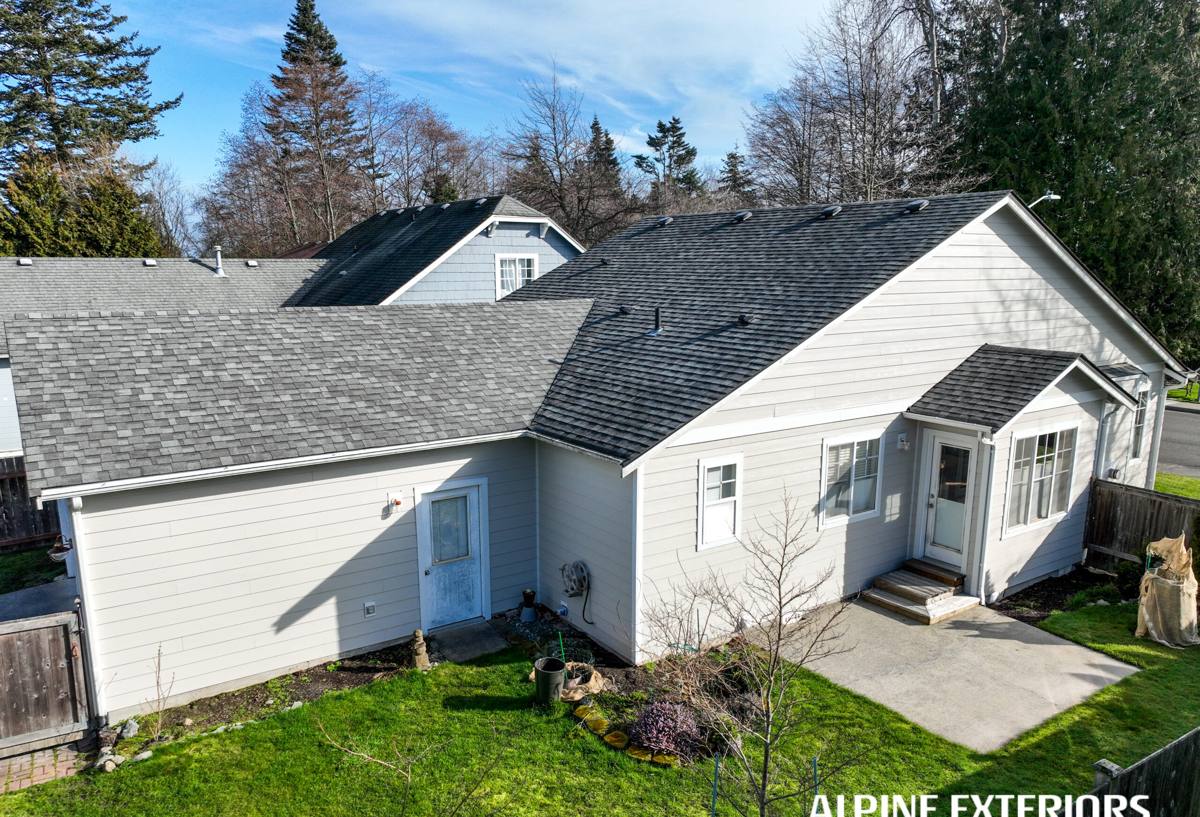
What Forest Lakes' Climate Does to Siding
Hurricane-Force Winds
Pinellas County homes are built to Florida Building Code wind requirements for a reason. During tropical storms and hurricanes, sustained winds and gusts put real structural load on siding panels, trim, and the fasteners holding everything in place. Lightweight or poorly attached siding can lift, crack, or tear loose in those conditions, and once one panel fails, wind and water often find their way behind the ones next to it. Installation quality matters just as much as the material itself when a storm is bearing down on Forest Lakes.
Intense, Year-Round UV Exposure
Florida's sun isn't seasonal the way it is farther north. Forest Lakes homes take direct, high-intensity UV exposure essentially all year, and that exposure breaks down pigments, weakens bonds in lower-grade materials, and fades field-applied paint faster than most homeowners expect. A siding product that looks great at installation can visibly chalk, fade, or lose its finish within a handful of Florida summers if the color wasn't engineered to handle this level of sun.
Wind-Driven Rain
Tropical downpours in this part of Pinellas County rarely fall straight down. Wind pushes rain sideways into lap joints, trim intersections, and any gap in the wall assembly, which is a tougher test than a simple annual rainfall total suggests. A siding system that would perform fine in a drier, calmer climate can still fail here specifically because water is being driven in from the side during a storm, not just falling from above.
Salt Air and Corrosion
Forest Lakes isn't directly on the water, but Oldsmar's position along Tampa Bay means salt-laden air still moves through the area regularly. Salt accelerates corrosion in fasteners, flashing, and cheaper hardware, and it can degrade lower-quality finishes faster than an inland, dry climate would. Materials and fastening systems that ignore this corrosion risk are one of the more common reasons siding installations age poorly in this part of the county.
Why We Only Install James Hardie Siding
We used to offer a broader range of siding products, the way most exterior contractors do. We narrowed that down, and the decision was practical rather than promotional: what we consistently found during tear-offs and service calls in this exact climate pushed us toward one system we could fully stand behind for Forest Lakes and the rest of Oldsmar.
- Non-combustible core: Fiber cement doesn't feed a fire the way wood-based siding products can, which matters for household safety and can factor into insurance underwriting in Florida.
- Factory-applied ColorPlus finish: The color is baked on under controlled factory conditions rather than brushed on in the field, so it holds up against fading and moisture far longer than site-applied paint under intense Florida UV.
- Climate-engineered HZ product lines: Hardie's HZ5 formulation is built specifically for hot, humid, storm-prone regions, which describes Pinellas County about as well as any climate designation can.
- Dimensional stability: Fiber cement doesn't swell, cup, or warp the way engineered wood siding can after repeated humidity cycles and tropical downpours.
- Strong transferable warranty: Hardie backs its products with one of the more robust warranty structures in the industry, provided the installation follows manufacturer spec.
We don't install LP SmartSide, vinyl siding, Cemplank, Allura, primed spruce, or cedar. Each of those products has a legitimate place in the broader market, and plenty of homeowners elsewhere are satisfied with them. But we made a professional call that in a climate with this much sustained UV, humidity, and storm exposure, standing behind one system we trust completely is worth more to a Forest Lakes homeowner than a cheaper option that quietly shifts long-term maintenance risk onto them.
A Quick Look at the Alternatives We Don't Install
| Product | What It Gets Right | Why It's a Harder Fit for This Climate |
|---|---|---|
| Vinyl siding | Low upfront cost, minimal maintenance in mild climates | Can warp or deform under sustained Florida heat and doesn't add structural wind resistance the way heavier fiber cement panels do |
| LP SmartSide | Engineered wood is lighter and easier to install than fiber cement | Wood-based core is more moisture-sensitive over time in a humid, storm-prone environment |
| Cedar siding | Natural appearance many homeowners love | Requires ongoing sealing and maintenance to resist rot and insect damage in Florida's humidity |
| Primed spruce | Lower material cost | Field-primed wood is far more exposed to moisture intrusion than a factory-sealed fiber cement panel |
| Cemplank / Allura | Also fiber cement, similar core material | We standardized on one manufacturer's finish, warranty, and HZ engineering rather than mixing systems |
What a Correct Hardie Installation Involves
Material choice is only half the equation. A James Hardie installation that actually performs the way the product is engineered requires correct fastening patterns rated for local wind zones, proper clearances from grade and roofline, correctly lapped and sealed joints, and house wrap and flashing details that work with the siding rather than against it. Skipping any of those steps is one of the most common ways a good product ends up performing poorly, which is why we treat installation detail as seriously as the material specification itself, especially on a home that needs to hold up through hurricane season every single year.
Repair vs. Full Replacement
Not every siding issue on a Forest Lakes home calls for a full tear-off. Storm-damaged sections, isolated impact damage, or trim that's failed around a window can often be repaired and matched into existing Hardie siding. But when moisture has been tracking behind the wall for a while, or the existing material is an older product that's simply reached the end of its service life, patching it usually just delays a larger job down the road. We'll give you an honest read on which situation you're actually in rather than defaulting to whichever option is more profitable for us.
Siding Cost Factors in Forest Lakes
| Factor | What It Affects | Why It Matters Here |
|---|---|---|
| Home size and wall complexity | Total material and labor | More trim, dormers, and corners mean more joints where wind-driven rain during tropical storms can intrude |
| Tear-off vs. overlay | Labor scope and substrate access | Tear-off reveals hidden moisture damage that's common under older siding after years of Florida humidity |
| Substrate condition | Repair costs before new siding goes on | Trapped moisture behind failing siding can rot sheathing and framing over time |
| Fastening and wind-rating detail | Labor time and hardware cost | Correct fastening schedules matter more here than in low-wind regions of the country |
| Trim and color selection | Material cost and finish longevity | Factory ColorPlus finishes hold up better against year-round UV and salt air than field-applied paint |
Signs Your Forest Lakes Home's Siding Needs Attention
- Fading, chalking, or peeling paint, especially on walls that face the most direct sun
- Soft or spongy spots when you press on the siding, which usually points to trapped moisture
- Cracked, chipped, or missing sections after wind events or tropical storms
- Visible gaps at seams, corners, or trim joints where wind-driven rain can track in
- Warping, buckling, or panels that no longer sit flat against the wall
- Rising cooling bills that may point to a wall assembly no longer sealing properly
Preparing Your Exterior for Storm Season
Hurricane season affects more than just roofs in Oldsmar. Siding, trim, and the flashing details around windows and doors all take on extra importance once storm season arrives, because they're the first line of defense against wind-driven rain finding its way into a wall assembly. A few practical steps make a real difference for Forest Lakes homeowners heading into the summer and fall months.
- Walk the exterior each spring and look for loose panels, cracked caulk, or gaps at trim joints before storm season starts
- Check that gutters and downspouts are clear so water is directed away from the wall rather than pooling against the base of the siding
- Have any soft, discolored, or bulging sections inspected rather than assumed to be cosmetic
- Confirm that siding and trim were installed with fastening details appropriate for Pinellas County's wind requirements, not a lighter-duty standard
- Keep an eye on caulking and sealant around windows and doors, since failed sealant is one of the most common entry points for wind-driven rain
Roofing, Windows, and Decks Alongside Your Siding
Siding problems rarely show up in isolation. A compromised roof valley, a poorly flashed window, or a deck ledger board trapping moisture against the house can all present as siding damage even when the siding itself isn't the actual source of the problem. Because we handle roofing, windows, and decks in addition to siding, we can look at a Forest Lakes home as one connected exterior system rather than diagnosing a single wall in isolation and missing where the water is actually getting in.
Why a Local Crew Matters
A crew that works across Oldsmar and the surrounding Pinellas County area day in and day out sees how hurricane winds, intense sun, and salt air actually behave on real houses over a full year, not just how a product performs on a spec sheet. That repeated, local exposure shapes practical decisions on install day: which wall orientations take the hardest UV hit, where extra flashing attention pays off before the next tropical system rolls through, and which details are worth the extra time so a Forest Lakes homeowner isn't dealing with a callback after the next named storm. A one-size-fits-all approach doesn't hold up as well in this climate as detailing that accounts for what this specific area actually experiences.
Get a Free, No-Pressure Estimate
If your Forest Lakes home needs new siding, storm-related repair work, or an honest second opinion on what's actually going on behind an aging wall, we're glad to take a look. Reach out using the form below to schedule a free estimate, no pressure and no upsell script.