 Oldsmar Siding
 Siding for Eastlake Woodlands Homes in Oldsmar
Eastlake Woodlands sits inland from Tampa Bay in Oldsmar, but "inland" in Pinellas County doesn't mean sheltered. Homes here still take the full brunt of a Gulf Coast climate: long stretches of intense UV, sudden afternoon downpours that come in sideways on the wind, and the kind of humidity that never really lets a house dry out between storms. Add in the occasional hurricane-force wind event, and exterior materials in this neighborhood are working harder than they would almost anywhere else in the country.
We've built our business around exterior work — siding, roofing, windows, and decks — for homes exactly like the ones in this community: established neighborhoods with a mix of original 1980s and 1990s construction and newer renovations, where the exterior has usually taken more punishment than it shows at a glance from the curb.
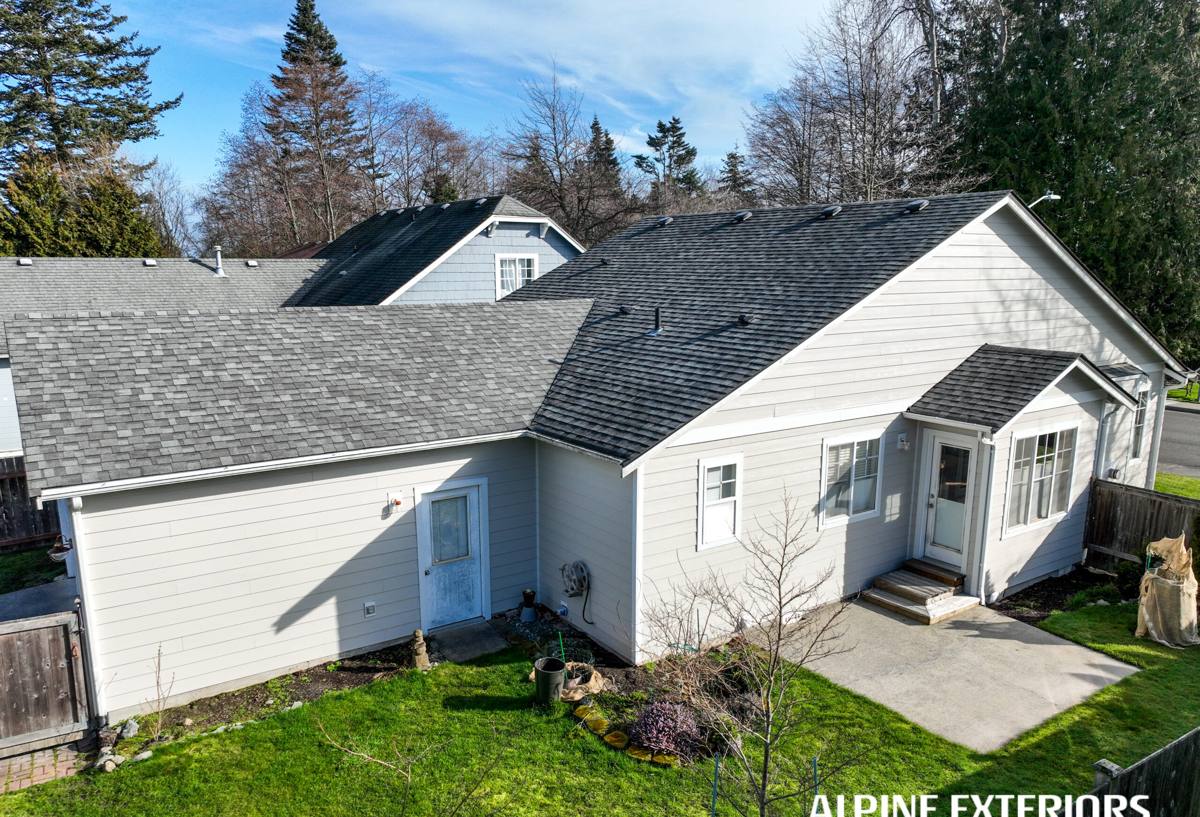
What This Climate Actually Does to a House
UV Breakdown
Central Florida sun is relentless almost year-round. On siding, that means paint chalks and fades faster than manufacturers' national averages suggest, caulk joints dry out and crack, and any material with a weak factory finish starts to look tired within a handful of years rather than a couple decades.
Wind-Driven Rain
It's not the amount of rain that causes problems here — it's the angle. Wind-driven rain gets forced up under laps, around trim, and into any gap that wouldn't be a problem in a calmer climate. Over time, that's how water finds its way behind siding that looks fine on the surface.
Salt Air
Oldsmar is close enough to Tampa Bay that salt-laden air is a real factor, even a few miles inland. Salt accelerates corrosion on fasteners, hardware, and metal flashing, and it speeds up the breakdown of lower-grade coatings on siding and trim.
Hurricane-Force Wind Events
Even when a storm doesn't make a direct hit, Pinellas County regularly sees tropical-storm and hurricane-force wind gusts. Siding, soffit, fascia, and roofing all need to be installed to withstand uplift and wind-driven debris — not just look good on a calm day.
Why We Standardized on James Hardie Fiber Cement
We made a deliberate decision as a company: we install James Hardie fiber cement siding, and we don't install vinyl, LP SmartSide, Cemplank, Allura, primed spruce, or cedar. That's not a marketing angle — it's what we concluded after years of doing exterior work in this exact climate.
Vinyl softens, warps, and can crack in high heat and wind-driven debris, and its color is baked into a plastic that degrades under constant UV. Wood-based siding, whether primed spruce, cedar, or engineered wood products like LP SmartSide, depends on an unbroken paint film and diligent maintenance to keep moisture out — and in a climate with this much sun and rain, that maintenance window shrinks fast. Other fiber cement brands, like Cemplank and Allura, are reasonable products, but we've standardized on one manufacturer so our crews install one system correctly every time, backed by one warranty structure, rather than juggling installation specs across several product lines.
James Hardie fiber cement doesn't burn, doesn't rot, and holds a factory-applied ColorPlus finish that's engineered to resist fading in intense, sustained sun — which matters a lot more here than in a milder climate. Hardie also makes an HZ5 product line specifically engineered for climates with heavy moisture exposure, which is what we use in this area. It carries a strong transferable warranty, which matters if you sell the house down the road.
Siding Options at a Glance
| Material | Moisture Behavior | UV/Color Stability | Wind/Storm Resistance | Do We Install It |
|---|---|---|---|---|
| James Hardie Fiber Cement | Doesn't absorb/swell like wood; won't rot | Factory ColorPlus finish, engineered for fade resistance | Rated for high-wind installation when installed to spec | Yes — exclusively |
| Vinyl | Sheds water but can warp/buckle | Color molded in; fades and chalks over time in intense sun | Can crack or blow off in high wind/debris | No |
| LP SmartSide / Engineered Wood | Needs intact paint film to resist moisture | Depends on maintained coating | Generally solid when well-maintained | No |
| Primed Spruce / Cedar | Absorbs moisture without diligent upkeep | Requires repainting on a regular cycle | Variable, install-dependent | No |
Roofing, Windows, and Decks — The Rest of the Envelope
Siding is only part of what keeps a house dry and comfortable. We handle roofing, windows, and decks as well, because in a climate like this, those systems all have to work together. A new roof means nothing if wind-driven rain gets behind aging siding at the wall-roof transitions. New siding doesn't help much if old, single-pane windows are leaking air and moisture around their frames. And any deck or outdoor structure in Eastlake Woodlands needs materials and fasteners that can handle sun, humidity, and salt air without corroding or warping within a few seasons.
When we look at a home in this neighborhood, we're looking at the whole exterior, not just the piece you called about. If your siding needs replacing but your roof has five years of life left, we'll tell you that. If your windows are the actual source of a moisture problem you thought was a siding issue, we'll tell you that too.
Signs Your Home's Exterior Needs Attention
- Bubbling, peeling, or chalky paint on siding or trim, especially on south- and west-facing walls
- Soft spots, staining, or a spongy feel when you press on wood-based siding or trim
- Cracked or warped siding panels, particularly near corners and window edges
- Visible gaps or missing caulk at joints, seams, and window/door trim
- Rust streaks around fasteners or metal flashing
- Musty smells or discoloration on interior walls that back up to exterior siding
- Missing or lifted roof shingles after wind events, especially near siding transitions
- Deck boards that feel spongy, fasteners that have rusted or backed out, or visible fastener staining
What Working With a Local Crew Looks Like
Eastlake Woodlands is an established, well-kept community, and a lot of it was built decades ago under different codes and different materials than what's available and required today. A local crew that works across Oldsmar and Pinellas County regularly knows what that means in practice — the kind of original construction details you'll run into, what Pinellas County's building department expects for permitting on siding and roofing work, and how to sequence a project so your home isn't exposed to the weather any longer than it has to be.
If your property is part of an HOA or has deed restrictions on exterior colors or materials, we can work within those requirements as part of the estimate and design conversation — that's a normal part of doing this work in planned communities, not an extra hurdle.
How a Project Typically Goes
- On-site assessment — we look at your current siding, trim, roofline, and any problem areas you've noticed, and check how they're holding up against sun and moisture exposure specific to your lot and orientation.
- Honest scope and estimate — we tell you what actually needs to be done now versus what can wait, and give you a straightforward written estimate.
- Material and color selection — for siding, that means choosing from Hardie's HZ product lines and ColorPlus finishes suited to this climate.
- Permitting — we handle the permitting process with Pinellas County/Oldsmar so the work is inspected and documented correctly.
- Installation to manufacturer spec — proper fastening, clearances, and flashing details matter more in wind-driven rain climates than almost anywhere else; installed wrong, even a good product fails early.
- Final walkthrough — we go over the finished work with you before calling the job done.
Questions Worth Asking Any Contractor Before You Hire
- Are you licensed and insured to do this work in Pinellas County, and can you show proof?
- What specific siding, roofing, or window products do you install, and why those over the alternatives?
- Who pulls the permit, and does the work get inspected?
- What does the manufacturer's installation spec require for fastening and flashing in a high-wind zone, and do your crews follow it?
- What warranty applies to materials, and what warranty applies to labor — and are they separate?
Cost Factors Homeowners in This Area Should Understand
| Factor | Why It Matters Here |
|---|---|
| House size and siding profile | More linear footage and more architectural detail (corners, trim, gables) mean more labor |
| Extent of underlying damage | Wind-driven rain intrusion found once old siding comes off can add scope |
| Trim and accessory work | Fascia, soffit, and window trim often need attention alongside field siding |
| Color and finish selection | Factory-applied finishes cost more upfront but avoid a repaint cycle in this sun |
| Permitting and code requirements | Current wind-load and moisture-barrier requirements may differ from the home's original construction |
We don't quote from a distance for this kind of work — every one of these factors changes with the specific house, so a real number comes from a real look at your property.
Get a Free, No-Pressure Estimate
If you're in Eastlake Woodlands and dealing with tired siding, roof concerns, aging windows, or a deck that's seen better days, we're happy to come take a look and give you an honest assessment — no pressure, no obligation. Use the form below to get started.