 Oldsmar Siding
 Feather Sound Sits Right at the Edge of Tampa Bay's Weather
Feather Sound is a bay-adjacent community, and that location shapes what happens to a home's exterior over time. Homes here get more direct exposure to open water than properties set back a few miles inland — more wind, more moisture in the air, and more sun bouncing off the bay onto siding, trim, and roofing. It's a good place to live and a demanding place to own a house, and the two are related.
Oldsmar and the surrounding Pinellas County communities share a common set of stressors: hurricane-force wind events, wind-driven rain that gets pushed sideways into wall assemblies, intense UV exposure nearly every day of the year, and salt-laden air drifting off Tampa Bay. None of those factors is unique to Feather Sound, but the combination hits waterfront and near-waterfront neighborhoods harder than it hits homes further from the coast.
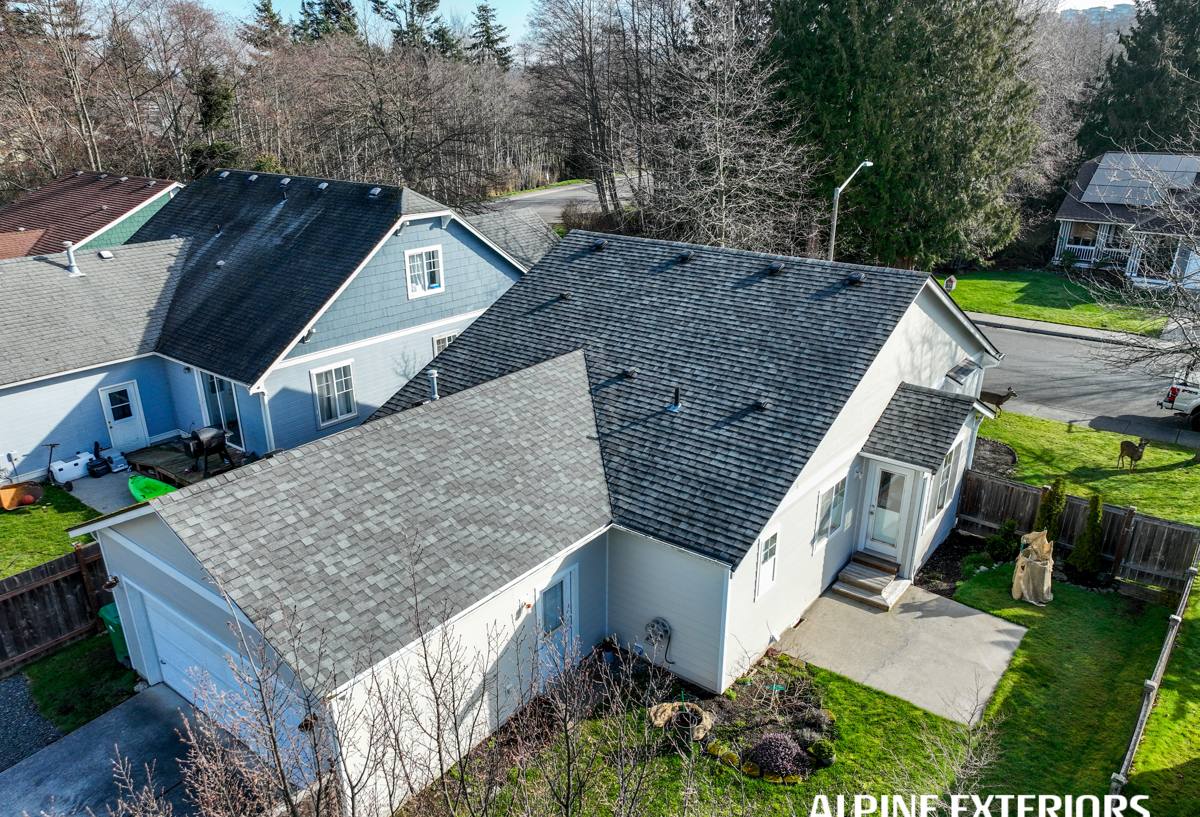
What That Exposure Actually Does to a House
Sun and Heat
Florida sun is relentless, and siding on the south and west faces of a Feather Sound home takes the worst of it. UV breaks down pigments and resins over years, which is why cheaper or improperly finished siding products chalk, fade unevenly, or lose their factory look well before the structure underneath has any real problem. Heat cycling — hot days, cooler nights, afternoon storms — also stresses joints, caulk lines, and any material that expands and contracts more than the wall behind it.
Wind and Wind-Driven Rain
Tropical storm and hurricane exposure isn't hypothetical here — it's an annual planning consideration. Wind doesn't just threaten to tear siding loose; wind-driven rain gets forced up and under panels, around fasteners, and into any gap that wasn't sealed and flashed correctly. Most siding failures we see after a big storm trace back to installation details — flashing, fastening pattern, clearances — not the product itself.
Salt Air
Being close to open water means airborne salt settles on exterior surfaces and metal components. Salt accelerates corrosion in fasteners, trim, and any hardware that isn't rated for coastal exposure, and it can contribute to premature breakdown of finishes that weren't engineered for it. This is one of the biggest reasons product choice matters as much as installation quality in a location like Feather Sound.
Our Approach for Feather Sound Homes
We work on siding, roofing, windows, and decks, and on a bay-adjacent property those four systems are more connected than homeowners often realize. Siding that's improperly flashed at window openings sends water into the wall. A roof that's shedding water incorrectly can soak the top course of siding for years without anyone noticing. A deck ledger board attached without proper flashing can rot the wall behind it. We look at the whole exterior envelope, not just whichever single system a homeowner called about.
For siding specifically, our process for this area includes:
- An exterior assessment that checks current siding, trim, flashing, and any signs of moisture intrusion before we talk about replacement
- A materials conversation grounded in what actually holds up under Pinellas County sun, wind, and salt exposure — not just what's cheapest to install
- Installation practices built around wind and water performance: correct fastening, proper clearances, and flashing detail at every penetration and transition
- Coordination across siding, roofing, windows, and decks when a project touches more than one system, so water management is consistent across the whole exterior
Why We Install Only James Hardie Fiber Cement
We made a decision as a company to install James Hardie fiber cement siding exclusively. We don't install vinyl, LP SmartSide, Cemplank, Allura, primed spruce, or cedar. That's a narrower product lineup than a lot of contractors offer, and it's worth explaining why, because it affects every siding conversation we have with homeowners in this area.
Vinyl
Vinyl siding is inexpensive and easy to install, and in milder climates it performs reasonably well. In a coastal, high-wind, high-UV environment like Feather Sound, vinyl's weaknesses show up faster: it can warp or distort in sustained heat, it's more vulnerable to wind uplift in storm-force gusts, and its color is baked into the material itself, so UV fading is a matter of when, not if. It's also non-structural in a way fiber cement isn't — it flexes and can crack on impact.
Engineered Wood (LP SmartSide)
Engineered wood siding has real strengths — it's lighter than fiber cement and can look good when new. But it's a wood-based product, and wood-based products are more sensitive to sustained moisture exposure than fiber cement. In a climate with heavy seasonal rain, high humidity, and wind-driven water intrusion risk, that's a real trade-off, especially at cut edges and joints if they aren't field-sealed exactly to spec.
Other Fiber Cement Brands (Cemplank, Allura)
These are legitimate fiber cement products, and fiber cement as a category is the right general direction for this climate. Where we draw the line is warranty structure, factory finish consistency, and the depth of engineering behind climate-specific product lines. We standardized on one manufacturer so our crews install one system to one exacting standard, rather than switching specs and techniques project to project.
Primed Spruce and Cedar
Natural wood siding has a look some homeowners love, but it demands an ongoing maintenance commitment — repainting, resealing, and vigilant moisture monitoring — that most owners underestimate going in. In a bay-adjacent, high-humidity environment, that maintenance burden is higher than it would be inland, and the consequences of falling behind on it show up faster.
Why James Hardie
James Hardie fiber cement is non-combustible, dimensionally stable, and manufactured with ColorPlus factory-applied finishes that are baked on and warranted against fading and chipping — not field-painted, which removes one of the biggest variables in long-term appearance. Hardie also produces climate-engineered HZ product lines specifically formulated for high-moisture, high-humidity regions like ours, and backs the product with a strong transferable warranty. When it's installed to manufacturer spec, it holds up to the sun, wind, rain, and salt air this area sees every year better than the alternatives we chose not to carry.
What Correct Installation Actually Involves
Fiber cement siding is only as good as its installation. Hardie engineers products like their HZ5 line for high-humidity zones, but that engineering only pays off when the installation follows the manufacturer's requirements exactly. In practice that means:
- Correct fastener type, spacing, and embedment — under- or over-driven fasteners are one of the most common causes of premature siding problems
- Proper clearances from rooflines, decks, and grade so water doesn't wick into panel bottoms
- Weather-resistant barrier and flashing installed behind the siding, not just caulk applied over gaps
- Correctly sealed and primed cut edges, since factory finish doesn't extend to field cuts
- Attention to joint treatment and butt joints so panels aren't relying on caulk alone to keep water out
Skipping any of these doesn't usually cause an immediate problem — it causes a problem in year three or year eight, after enough storm cycles and enough UV exposure have worked on a weak point. That's why installation discipline matters as much as the product decision itself.
Cost Factors Homeowners Should Understand
Every siding project is different, but the factors that move cost up or down are consistent. We'd rather walk through these honestly up front than surprise anyone later.
| Factor | Why It Affects Cost |
|---|---|
| Home size and wall complexity | More square footage and more corners, dormers, or architectural detail mean more cutting, fitting, and labor time |
| Current siding removal | Tear-off and disposal of existing material adds labor beyond a straightforward install |
| Underlying substrate condition | Rot or water damage found once old siding comes off needs repair before new siding goes on, which isn't always visible at the estimate stage |
| Trim and finish level | Detailed trim work, corner treatments, and color selection all add material and labor |
| Access and site conditions | Multi-story sections, tight lot lines, and limited staging area affect crew efficiency |
We give straightforward, itemized estimates rather than vague lump-sum numbers, so homeowners know what they're paying for and why.
Roofing, Windows, and Decks — the Rest of the Exterior
Because Feather Sound homes deal with the same wind and water stress across every exterior system, we treat roofing, windows, and decks as part of the same conversation as siding, not separate projects handled by separate crews with no communication between them.
A roof in this area needs to shed wind-driven rain without letting water track back under shingles or tiles at valleys and penetrations. Windows need proper flashing integration with the wall assembly — a beautiful window installed without correct flashing is a future leak, regardless of the window's own quality. Decks attached to the home need ledger flashing that keeps water out of the wall it's bolted to, and decking materials that can handle sun and moisture cycling without excessive maintenance. Handling these as one coordinated exterior, with one crew that understands how they interact, avoids the gaps that show up when four different contractors each assume someone else handled the transition detail.
Why a Local Crew Matters Here
A contractor who works Pinellas County regularly knows what this specific stretch of coastline does to a house over a five- or ten-year span, not just what a spec sheet says in general. That local pattern recognition — knowing which details fail first in this climate, which product lines actually hold up near the bay, how storm history in this area should shape installation choices — is hard to replace with a crew that mostly works somewhere else and treats Florida jobs as an occasional detour.
It also matters for accountability. A local crew is still around next year and the year after that if something needs a look, which is worth more than a low bid from a company that's hard to reach once the invoice is paid.
Signs a Feather Sound Home May Need Exterior Attention
- Visible cracking, warping, or bowing in siding panels
- Soft spots, discoloration, or bubbling near window and door trim
- Caulk that's cracked, shrunk, or pulled away from joints
- Fading or chalking that's noticeably uneven across different sides of the house
- Signs of moisture inside near exterior walls after heavy rain or storms
- Corrosion on exterior fasteners, hardware, or trim metal
Any one of these is worth a look before it becomes a bigger repair. Catching a flashing or moisture issue early is almost always cheaper than dealing with the wall damage that follows years of it going unnoticed.
Get an Honest Look at Your Home's Exterior
If you're in Feather Sound or anywhere nearby in Oldsmar and Pinellas County and you're weighing a siding, roofing, window, or deck project, we're happy to come take a straightforward look and talk through what we see — no pressure, no hard sell. Fill out the form below to schedule a free estimate.