 Oldsmar Siding
 Siding Built for Tampa Bay Golf and Country Club
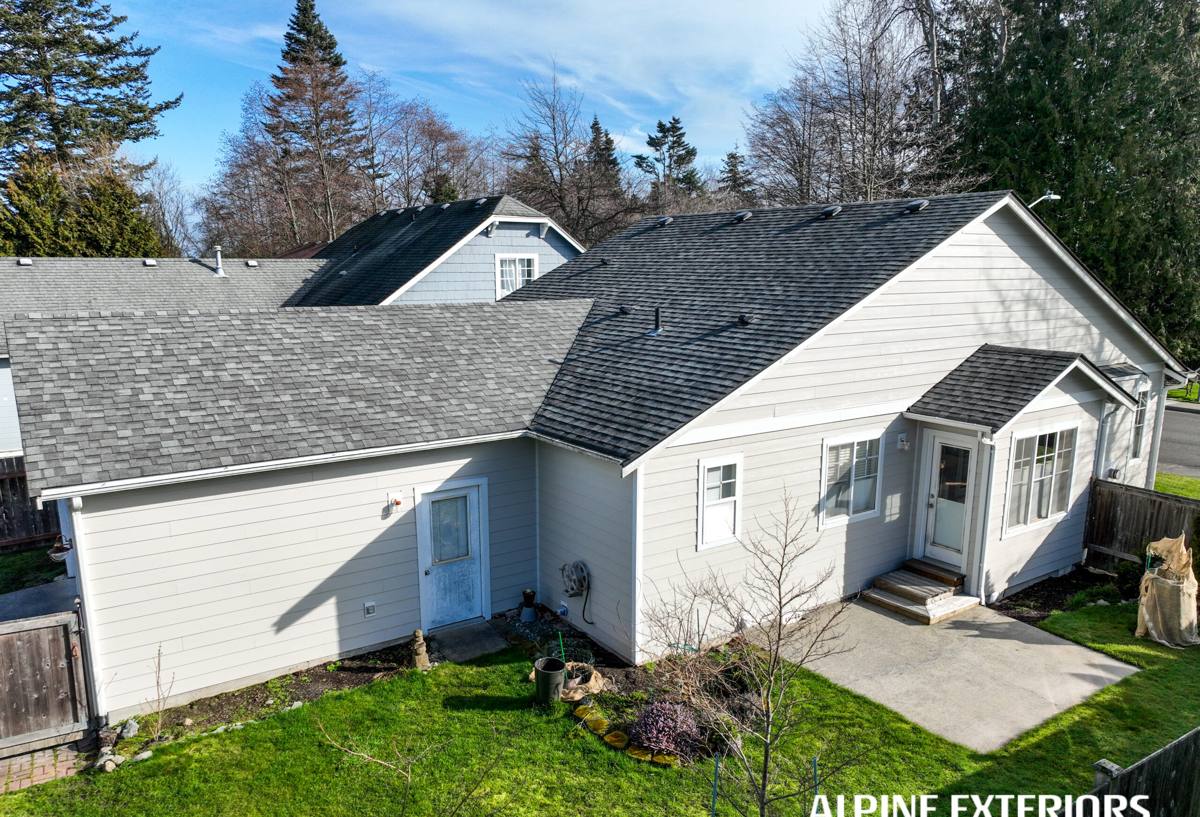
Tampa Bay Golf and Country Club sits inland from the open water but still takes a beating from everything Pinellas County weather can throw at a house. The neighborhood's mix of established single-story ranch homes and larger two-story houses built around the golf course means a wide range of siding conditions on any given street — some homes are on their original exterior material, others have had partial repairs or repaints over the years that never fully solved the underlying problem. When we work in this community, we're not guessing at what Florida does to a house. We're looking at real wear patterns from decades of sun, storms, and humidity, and matching the fix to what the home actually needs.
This is a service-area page, not a sales pitch dressed up as one. Our goal here is to explain what homes in this part of Oldsmar tend to face, how our siding, roofing, window, and deck work actually addresses it, and why having a crew that knows this specific area matters more than most homeowners realize until they've dealt with a contractor who doesn't.
What the Climate Does to Homes Here
Oldsmar and the rest of Pinellas County deal with a specific combination of stresses that doesn't let up seasonally the way it does in most of the country. Four factors matter most for exterior materials:
Hurricane-Force Wind Events
Every hurricane season, homes in this area face the possibility of sustained high winds and wind-driven debris. Siding that isn't installed to current wind-load standards — or that was installed correctly years ago but has since degraded — is far more likely to lift, crack, or fail during a storm. Fastener pattern, panel overlap, and trim detailing all matter more here than in a low-wind climate.
Intense, Year-Round UV
Florida doesn't get a real off-season for sun exposure. UV breaks down pigments, softens caulking, and accelerates the aging of paint films. On siding that isn't factory-finished to resist UV, this shows up as fading, chalking, and eventually cracking that lets moisture behind the material.
Wind-Driven Rain
Afternoon storms in this part of Florida rarely fall straight down. Wind pushes rain sideways into wall assemblies, which is a much tougher test for siding, flashing, and window seals than vertical rainfall. Materials and installation details that work fine in drier climates can fail here specifically because of the horizontal water intrusion.
Salt Air
Tampa Bay Golf and Country Club isn't beachfront, but Oldsmar's proximity to Tampa Bay and the Gulf means salt-laden air still reaches inland neighborhoods, especially during onshore wind patterns. Salt accelerates corrosion on fasteners and metal components and contributes to the general breakdown of lesser exterior materials over time.
None of these four factors is unique to this neighborhood, but the combination — and the fact that they hit year-round rather than seasonally — is what separates Gulf Coast Florida from most of the country when it comes to exterior durability.
Why We Standardized on James Hardie Fiber Cement
We install James Hardie fiber cement siding exclusively. We don't install vinyl, LP SmartSide, Cemplank, Allura, or primed wood products like spruce or cedar. That's a deliberate professional standard, not a marketing angle, and homeowners in this neighborhood deserve to know why.
Fiber cement is non-combustible, which matters for wildfire-adjacent risk and for insurance considerations in some cases. More relevant to this climate, Hardie's HZ5 product line is engineered specifically for high-humidity, high-moisture regions like the Gulf Coast — it resists moisture-related swelling, warping, and rot in a way that wood-based and wood-adjacent products fundamentally cannot, because it isn't made from wood fiber that absorbs water. James Hardie's ColorPlus factory finish is baked on under controlled conditions and backed by a real finish warranty, which stands up to Florida UV far longer than field-applied paint on other substrates.
We're not going to tell you every other product on the market is junk — that's not honest and it's not our call to make about every installation everywhere. What we will say is that after years of exterior work in this exact climate, we've seen which materials hold up to hurricane wind, year-round UV, wind-driven rain, and salt air without a maintenance treadmill, and which ones don't. Fiber cement from Hardie is what we're willing to put our name behind and back with our own installation.
A Quick Look at the Trade-offs
| Material | Moisture Behavior in Humid Climates | Maintenance | Why We Don't Install It |
|---|---|---|---|
| Vinyl siding | Doesn't rot, but can warp/melt under heat and impact | Low, but limited repair options | Wind rating and impact resistance fall short for our storm exposure |
| LP SmartSide | Wood-strand core, vulnerable if seams/edges aren't sealed perfectly | Moderate, edge sealing is critical | Moisture sensitivity is a poor match for wind-driven rain |
| Cemplank / Allura | Similar fiber cement category to Hardie | Similar to Hardie | We standardized on one system for consistent warranty and install training |
| Primed wood (spruce, cedar) | Absorbs moisture, prone to rot without diligent upkeep | High — regular repainting and sealing | Not realistic upkeep for a Gulf Coast climate |
| James Hardie fiber cement | Engineered for humid climates (HZ5), doesn't absorb and swell | Low — factory finish holds up for years | What we install and warranty |
How We Approach a Siding Project in This Neighborhood
Every home in Tampa Bay Golf and Country Club is different, but our process stays consistent because it's built around what actually causes failures here, not just what's visible from the curb.
Inspection First
We start by looking at what's underneath the surface issue, not just the surface issue itself. Cracked or bubbling siding often points to a moisture path — a flashing gap, a caulking failure, or trapped humidity — that needs to be fixed as part of the job, not painted over.
Wind-Rated Installation
Fastener spacing, panel starter strips, and trim details all get installed to manufacturer specification for wind resistance. This is where a lot of siding failures during storms actually originate — not from the material itself, but from installation shortcuts that don't show up until wind loads test them.
Full Weather Envelope, Not Just Panels
Siding doesn't work in isolation. Flashing around windows and doors, house wrap condition, and proper sealing at penetrations all matter as much as the siding material itself for keeping wind-driven rain out of the wall assembly.
Roofing, Windows, and Decks Alongside Siding
Because we handle siding, roofing, windows, and decks, we're able to look at a home's full exterior envelope rather than one component in isolation. This matters in a neighborhood like this one because these systems interact:
- Roofing: A roof with degraded flashing or worn shingles can send water down behind siding at the roofline, causing damage that looks like a siding problem but isn't one.
- Windows: Window flashing integrates directly with the siding around it — replacing one without addressing the other's flashing detail is a common source of leaks.
- Decks: Ledger board attachment points where a deck meets the house need proper flashing to keep water from tracking into the wall assembly behind the siding.
When we quote a siding project, we're looking at whether these adjacent systems are contributing to the problem, so the homeowner isn't stuck redoing the same section of wall twice.
Why a Local Crew Matters Here
Oldsmar and the surrounding Pinellas County communities have their own permitting requirements, wind-zone standards, and inspection practices, and Tampa Bay Golf and Country Club may have its own community guidelines on top of that for exterior appearance and materials. A crew that works this area regularly already knows these details going in, instead of learning them mid-project through delays or corrections.
Local also means accountability. We're not driving in from out of state for a one-time job — this is the community we work in, and a siding installation that doesn't hold up here reflects on us in a neighborhood where we plan to keep working for years.
What to Ask Any Contractor Before You Hire
- Are you licensed and insured in Florida, and can you provide proof?
- What wind rating and installation specification will you install to for this home?
- Who is responsible for flashing and moisture detailing around windows, doors, and roofline transitions?
- What does the manufacturer's warranty actually cover, and is it transferable if the home sells?
- Can you walk me through why you recommend this specific siding material for a Gulf Coast home?
What a Project Typically Involves
Every home is different, but most siding projects in this neighborhood follow a similar arc: an inspection to assess the current material and any underlying moisture or structural issues, a detailed proposal outlining scope and material, removal of failing siding, correction of any flashing or house wrap issues found underneath, installation of James Hardie panels or lap siding to manufacturer spec, and a final walk-through. Timelines vary with home size and scope, and we'll always give you a realistic window rather than a rushed promise, especially during hurricane season when material lead times can shift.
Get a Free, No-Pressure Estimate
If your home in Tampa Bay Golf and Country Club has siding that's showing its age, cracking, or just hasn't held up the way you expected, we're happy to take a look. There's no pressure and no obligation — just an honest assessment of what your home's exterior actually needs and what it would take to fix it right. Fill out the form below to schedule a free estimate.