 Oldsmar Siding
 Serving Countryside in Oldsmar, Florida
Countryside sits inland from the coast but still lives inside the same Pinellas County weather system that batters every home in this part of Florida. Homeowners here deal with the same intense UV load, wind-driven rain, and hurricane-season risk as neighborhoods closer to the water, just with a bit more tree cover and a slightly different mix of housing stock — a lot of it dating from the same building boom eras as the rest of Oldsmar and greater Tampa Bay. When we send a crew into Countryside, we're not guessing at what the exterior has been through. We've seen it on dozens of homes within a few miles of the area, and we plan every siding, roofing, window, and deck job around what actually happens to materials here, not what a spec sheet says should happen in a lab.
This page is about what that means in practice: what the climate does to exteriors in this part of Oldsmar, how we approach siding replacement and repair for homes in Countryside, and why we standardized on one siding product instead of offering the usual menu of options.
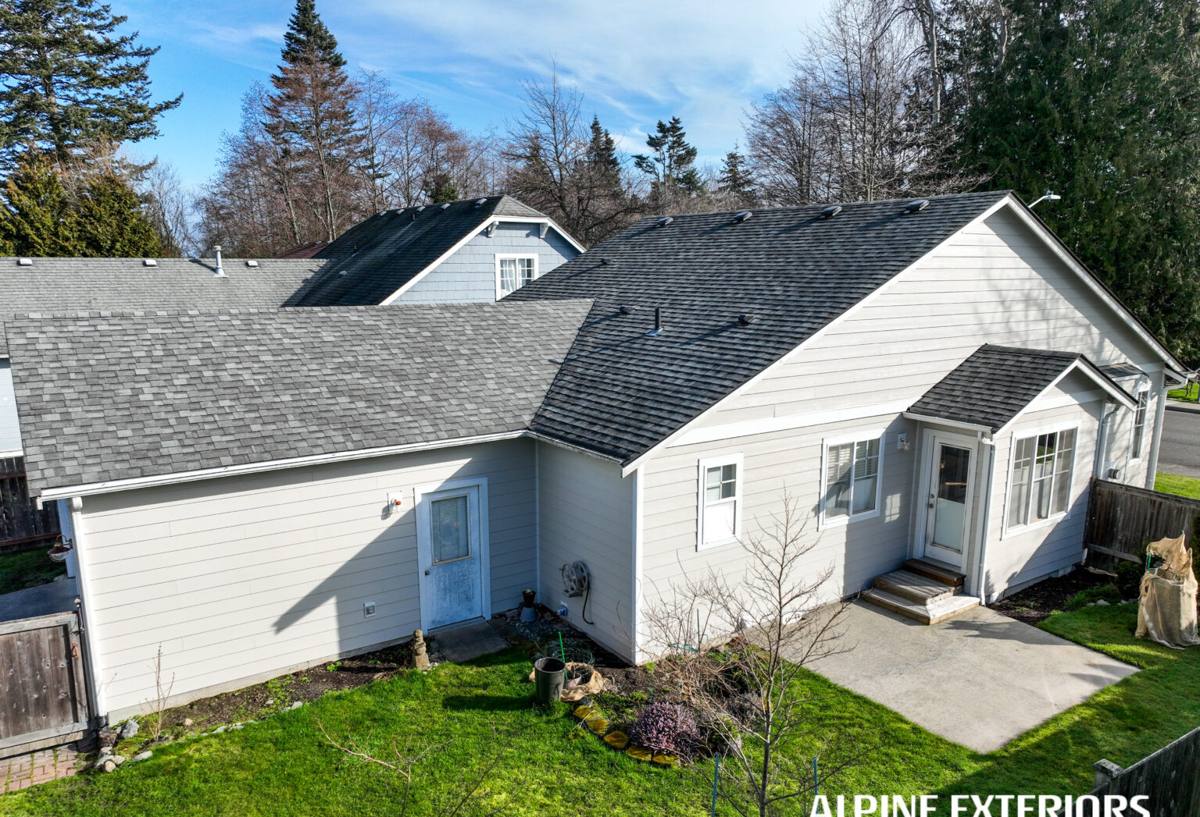
What the Climate Does to Homes Here
Pinellas County exteriors take a slow, steady beating from four things working together, and Countryside is not exempt from any of them.
UV exposure, year-round
Florida doesn't really have an off-season for sun. Painted wood-based siding chalks, fades, and loses adhesion faster here than in almost any other part of the country, and caulk joints dry out and crack years before they would up north. Any exterior product on a Countryside home is getting full-intensity UV for most of the daylight hours, most of the year.
Wind-driven rain
Florida storms rarely fall straight down. Wind pushes rain sideways into wall assemblies, seams, and butt joints, and that's where siding systems succeed or fail. A product that sheds vertical rain fine can still let water track in sideways if the installation detailing isn't built for it.
Salt air
Countryside is far enough from open water that people sometimes assume salt exposure isn't a factor. It still is — salt-laden air moves well inland across the Tampa Bay region, especially with onshore winds, and it accelerates corrosion on fasteners, flashing, and any metal component on the exterior over time.
Hurricane-force wind events
Every few years, a storm brings sustained high winds and flying debris to this part of Pinellas County. Siding, roofing, and window systems all need to hold up not just to steady wind pressure but to impact and uplift, and the fasteners and installation method matter as much as the material itself.
None of these four forces is unique to Countryside. What's unique is that they hit every home in the neighborhood at once, year after year, which is why exterior materials and installation quality matter more here than in milder climates.
Why We Only Install James Hardie Siding
We get asked fairly often why we don't offer vinyl, LP SmartSide, or other fiber cement brands like Cemplank or Allura. The honest answer is that we looked at how each of those products performs under the exact conditions described above, and we decided we'd rather stand behind one product we trust completely than offer a menu that includes options we'd have reservations about.
- Vinyl siding expands and contracts significantly with Florida's heat swings, can deform or crack under wind-driven debris impact, and its color is baked through the material rather than factory-cured onto the surface the way ColorPlus finishes are — so fading shows differently over time.
- LP SmartSide is an engineered wood product. Engineered wood, by definition, is more moisture-sensitive than fiber cement. In a climate with this much humidity and wind-driven rain, wood-based products need flawless caulking and maintenance to avoid swelling at edges and seams — and even well-maintained installations carry more long-term moisture risk than fiber cement.
- Other fiber cement brands like Cemplank or Allura are legitimate fiber cement products, and we don't claim they're unsafe or defective. Our decision comes down to product line depth, factory finish warranty structure, and the track record James Hardie has built specifically for hot, humid, storm-exposed climates through its HardieZone system. We'd rather specialize in one system we know inside and out than split our expertise across several.
James Hardie fiber cement is non-combustible, doesn't swell or rot from moisture the way wood-based products can, and its ColorPlus factory finish is baked on and warrantied against fading and peeling separately from the substrate warranty. Hardie also engineers specific product formulations by climate zone — Florida homes get the HZ5 formulation designed for high humidity and moisture exposure. That's the product we put on Countryside homes, and it's the only one we install.
Siding Options for Countryside Homes
Within the James Hardie lineup, most Countryside homes end up choosing between a few core products depending on the style of the house and the look the homeowner wants.
| Product | Look | Best fit |
|---|---|---|
| HardiePlank lap siding | Traditional horizontal lap, smooth or cedar-textured | Most single-family homes, ranch and traditional styles common in Countryside |
| HardiePanel vertical siding | Clean vertical panels, often with battens | Accent walls, gables, modern or Florida-vernacular styling |
| HardieShingle siding | Staggered or straight-edge shingle profile | Gable accents, coastal or cottage-style homes |
| HardieTrim boards | Fascia, corner boards, window/door trim | Finishing detail on any of the above |
All of these come pre-finished through ColorPlus Technology in a range of factory colors, which matters in this climate specifically because it removes the field-painting step — and field-applied paint is exactly where a lot of exterior finishes start failing early under constant Florida UV.
How We Approach a Siding Job in Countryside
Every property is different, but the process for a Countryside home generally follows the same sequence:
- Exterior assessment. We look at the current siding condition, check for water intrusion or soft spots around windows and doors, and evaluate the wall sheathing underneath where it's exposed.
- Moisture barrier and flashing. Before any new siding goes up, we confirm the weather-resistive barrier and flashing details around penetrations are correct — this is the layer that actually stops wind-driven rain, not the siding surface itself.
- Fastening to spec. James Hardie has specific fastening patterns and clearances for high-wind zones, and Pinellas County's building code reflects that. We follow manufacturer installation instructions to keep the warranty valid and the assembly wind-rated.
- Trim, caulking, and finish detail. Seams, joints, and trim transitions are where most long-term failures start if they're rushed. We treat this step as load-bearing to the job's lifespan, not cosmetic.
- Final walkthrough. We go over the finished work with the homeowner before considering the job complete.
Roofing, Windows, and Decks in the Same Neighborhood
Siding doesn't work in isolation — it's one part of a home's exterior envelope, and the other components face the same climate stress. We handle all four exterior trades for Countryside homeowners:
- Roofing: installation and repair, with attention to the flashing and underlayment details that matter most under wind-driven rain.
- Windows: replacement units rated for Florida wind exposure, properly flashed and integrated with the siding around them.
- Decks: built with materials and fasteners suited to sun and humidity exposure, whether attached to the house or freestanding.
Handling all of it means fewer seams between contractors — the roofer's flashing detail actually matches what the siding crew expects, and the window install ties into the siding plane correctly instead of getting patched around after the fact.
Why a Local Crew Matters
A contractor who works across Pinellas County regularly, rather than parachuting in from out of the area for a single job, has already seen how these products hold up on homes just like yours a few years down the road. That matters for two practical reasons: first, we know what installation shortcuts tend to fail first in this climate, because we've been called back to other people's shortcuts. Second, if a warranty issue or storm-related repair comes up down the line, a local crew is easy to reach and accountable to the community they work in — not a name on an invoice from a company that's already moved to the next state.
What to Check Before Hiring an Exterior Contractor
- Are they licensed and insured to work in Florida, and can they provide proof without hesitation?
- Do they specify the exact product line and installation method in writing, not just "siding replacement"?
- Do they follow manufacturer fastening and clearance specs for high-wind zones, or just "how it's always been done"?
- Is the warranty structure clear — what's covered by the manufacturer versus the installer?
- Can they explain why they recommend a specific product for your home, rather than defaulting to whatever they have on the truck?
Getting Started
If you're in Countryside and dealing with aging, storm-damaged, or simply outdated siding — or you're weighing roofing, windows, or a deck project alongside it — we're happy to take a look and talk through what actually makes sense for your home. There's no pressure and no cost to get an estimate; fill out the form below and we'll get in touch.