 Oldsmar Siding
 Carrollwood's Climate Is Hard on Siding — Here's What That Means for Your Home
Homes in the Carrollwood area near Oldsmar sit in one of the more demanding climates in the country for exterior building materials. Pinellas County gets the full package: hurricane-force wind loads during storm season, intense year-round UV exposure that never really lets up, wind-driven rain that gets pushed sideways into wall assemblies during squalls, and a steady dose of salt air moving in off the Gulf. None of these factors is dramatic on its own in a single week. The problem is that they don't stop. Siding here is working every single day, and the products and installation details that hold up in a milder climate often don't hold up here.
That's the lens we use on every Carrollwood project: not "what's the cheapest option that looks fine on install day," but "what's going to still be doing its job in fifteen or twenty years after this many summers of UV, this many storm seasons, and this much salt-laden humidity."
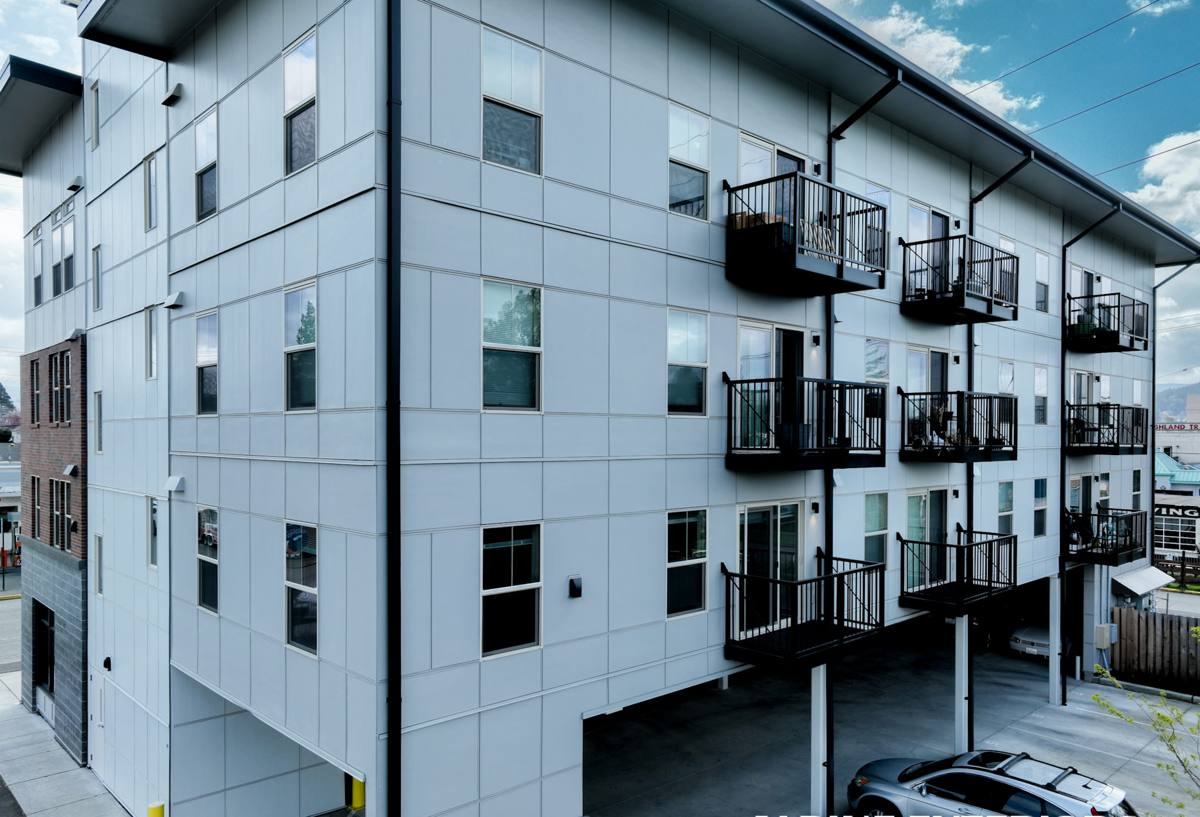
Why We Install Only James Hardie Fiber Cement
We don't install vinyl siding, LP SmartSide, primed wood, cedar, or other fiber cement brands like Cemplank or Allura. That's a deliberate standard, not a sales pitch, and it's worth explaining rather than just stating.
Non-Combustible Material
Fiber cement is made primarily from sand, cement, and cellulose fiber. It doesn't burn, doesn't soften in direct sun the way vinyl can, and doesn't provide fuel in a wildfire or structure-fire scenario the way wood-based products do. For a coastal Florida home, that's one less variable to worry about.
Climate-Engineered Product Lines
James Hardie builds region-specific formulations rather than one national product. The HZ5 line is engineered for hot, humid, high-moisture climates like ours — it's formulated to resist moisture-related damage and to hold up under the freeze-thaw-free but humidity-heavy conditions Gulf Coast homes actually experience. That's a meaningfully different product than what gets installed in a dry inland climate, and it's part of why we don't treat fiber cement as a single generic category.
Factory-Applied ColorPlus Finish
ColorPlus finish is baked on in a controlled factory environment through multiple coats, rather than sprayed or rolled on-site or left to a separate paint job. In a climate with this much UV load, factory-cured finish resists fading and chalking far better than field-applied paint, and it comes backed by its own finish warranty separate from the substrate warranty.
Warranty Structure
James Hardie backs its siding with a long, transferable limited warranty when installed to manufacturer specification. That transferability matters to homeowners who may sell within the warranty period — it's value that stays with the house.
What a Correct Fiber Cement Installation Actually Involves
Fiber cement siding is only as good as the installation underneath it. A rushed or generic install can undercut even the best product, and in a wind-driven-rain climate the details behind the boards matter as much as the boards themselves.
Moisture Management Behind the Cladding
Correct installation starts with a continuous weather-resistant barrier, properly lapped and taped, with flashing integrated at every window, door, and penetration so water is directed out and down rather than trapped behind the siding. This is the step that's invisible once the job is done — and the one that determines whether the wall assembly stays dry through years of wind-driven rain.
Fastening and Clearances
James Hardie specifies exact fastener types, spacing, and penetration depth for wind zones like ours, along with minimum clearances from grade, roofing, and decking so the siding isn't sitting in standing water or trapped moisture. Skipping or guessing on these specs is one of the most common ways an otherwise good product fails early.
Joints, Caulking, and Trim
Butt joints, corners, and trim transitions need to be treated with the right sealant and gapping so the assembly can move with temperature and humidity changes without opening a path for water. Poorly detailed joints are one of the first places problems show up on a fiber cement job that was installed too quickly.
How James Hardie Fiber Cement Compares to Other Siding Options
Homeowners comparing quotes often see very different materials described in similar-sounding terms. Here's a straightforward comparison for a Gulf Coast climate like Carrollwood's.
| Factor | James Hardie Fiber Cement (HZ5) | Vinyl Siding | Wood-Based Siding (e.g., LP SmartSide) |
|---|---|---|---|
| Wind resistance | Engineered and rated for high-wind installation | Can deform or detach in sustained high wind | Depends on fastening; panel can warp over time |
| Moisture behavior | Formulated to resist moisture damage; won't rot | Doesn't rot, but can trap moisture behind panels | Wood-based core is vulnerable to swelling and rot if moisture reaches it |
| UV / color retention | Factory ColorPlus finish resists fading | Can fade and become brittle with prolonged sun | Requires field paint/primer maintenance to hold color |
| Fire behavior | Non-combustible | Can soften or deform near heat sources | Combustible wood-fiber substrate |
| Typical maintenance | Occasional wash; repaint only if not ColorPlus | Low maintenance but limited repair options | Periodic repainting and moisture inspection |
This isn't a claim that other materials are worthless — vinyl and engineered wood siding are used successfully across the country. It's why, specifically for this climate and for the standard we hold our own installs to, we've chosen to install one product line and install it correctly rather than offer several and let price be the deciding factor.
Our Process for Carrollwood Projects
- Inspection and assessment — we look at the existing wall assembly, any current moisture or wood damage, and the home's exposure to wind and sun before recommending a scope.
- Product and profile selection — plank width, texture (smooth or cedar-look), and color are chosen based on the home's style and the homeowner's preference, within the HZ5 line built for this climate.
- Tear-off and prep — old siding is removed, the sheathing is inspected and repaired where needed, and a new continuous weather barrier is installed with proper flashing at every opening.
- Installation to manufacturer spec — fastening, clearances, joint treatment, and trim are installed following James Hardie's published installation guidelines, not shortcuts.
- Final walkthrough — we go over the finished work with the homeowner, including care and maintenance expectations, before closing out the job.
Why Hiring a Crew That Already Works Carrollwood Matters
Siding work in this part of Pinellas County isn't identical to siding work in a dry inland climate, and it isn't identical to siding work on the west coast of the state either. A crew that regularly works the Oldsmar and Carrollwood area already understands the local permitting process, the wind zone requirements that apply to exterior work here, and the kinds of moisture and sun exposure patterns specific to homes in this part of the county. That familiarity shows up in small decisions — flashing details, fastener choices, how a job is sequenced around Florida's afternoon storm patterns — that don't show up on a proposal but do show up in how the siding performs five and ten years later.
It also means a shorter learning curve on the job itself. A crew that has already done this work in this climate isn't treating your home as a first attempt at understanding how Gulf Coast humidity and salt air interact with a wall assembly.
What to Ask Before You Hire a Siding Contractor
- Are they licensed and insured to do exterior contracting work in Florida?
- Do they carry manufacturer certification for the specific siding product they're proposing?
- Does the written proposal name the exact product line (for example, HZ5) rather than just "fiber cement" or "Hardie board"?
- Will they pull the required permit through Pinellas County before work begins?
- Does the proposal describe the weather barrier and flashing approach, not just the visible siding?
- Is the fastening schedule specified, or left to "standard practice"?
- Is the warranty — both product and labor — provided in writing, including what voids it?
Caring for Hardie Siding After Installation
Fiber cement installed to spec is low-maintenance, but "low-maintenance" isn't "no-maintenance" in this climate. A periodic rinse with a garden hose removes salt residue and airborne grime before it builds up. Caulked joints and trim should be checked every year or two, since sealant is the one component that ages faster than the siding itself and is cheap to address early. If the siding wasn't installed with ColorPlus factory finish, repainting on a normal exterior paint cycle will be needed to keep UV damage from working through the surface. None of this is heavy upkeep — it's the kind of attention that lets a well-installed product actually reach its expected lifespan instead of falling short of it.
If you're weighing siding options for a home in the Carrollwood area, we're happy to take a look and give you a straightforward, no-pressure estimate — what your home actually needs, not a generic package. There's a form below to get that started.