 Oldsmar Siding
 Why Siding Replacement Looks Different for Carrollwood Homes
Carrollwood sits close enough to our home base in Oldsmar that we work this community regularly, and the exterior conditions a house here deals with aren't generic. Hurricane-force wind is a real design load, not a once-a-decade worry. UV exposure runs high year-round, not just in summer. Wind-driven rain gets pushed sideways into laps, seams, and trim joints during Gulf Coast storms in a way ordinary rainfall never does. And even for a home that isn't waterfront, the broader Tampa Bay air carries a measurable amount of salt, especially when onshore winds and tropical systems push moist Gulf air well inland.
None of that is unique to Carrollwood specifically — it's what Pinellas and Hillsborough County homes deal with generally. What matters is that a siding replacement done for this climate needs to account for all four factors at once, not just whichever one happens to be top of mind when the old siding starts failing. This page walks through what that actually looks like: what local homes need from their siding, what a correct replacement involves, how our process works, and why it matters that we already work in this area.
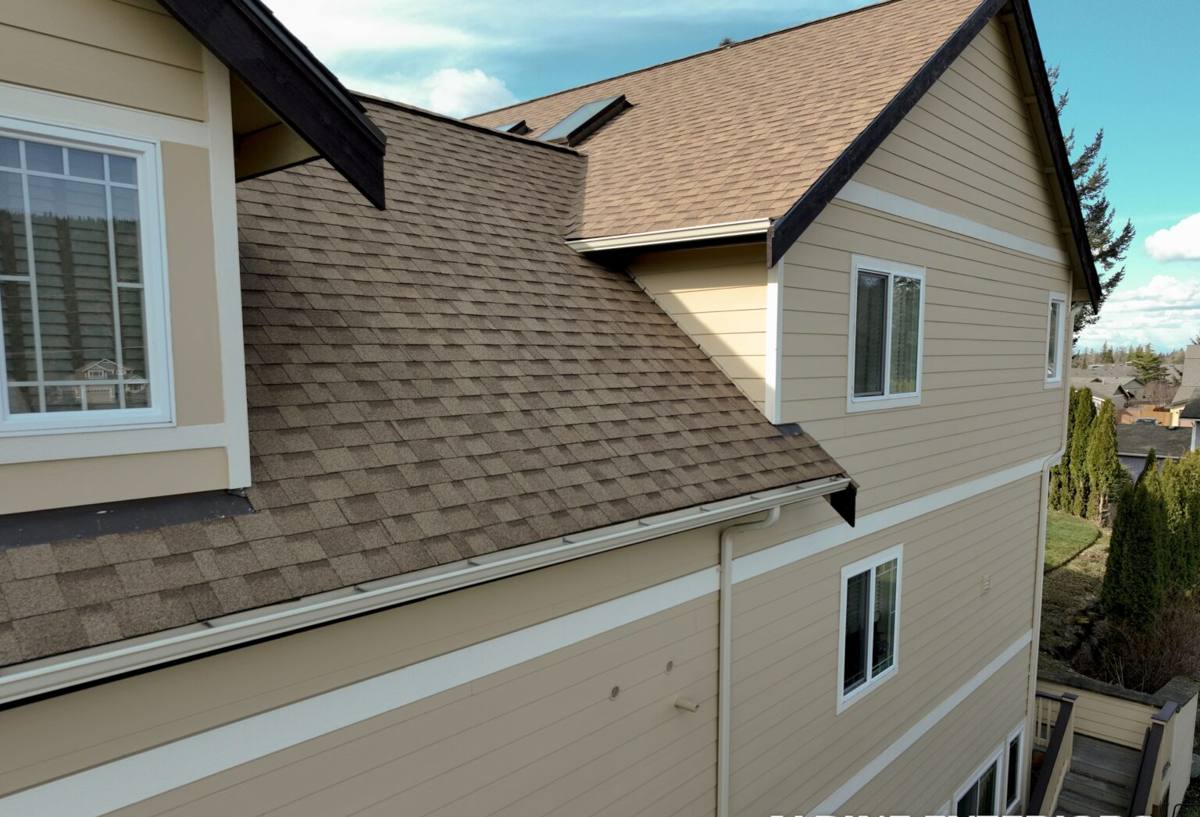
What Carrollwood Homes Actually Need From Their Siding
A lot of the housing stock in established Tampa Bay-area neighborhoods like Carrollwood was built across several decades of postwar suburban growth, which means a wide mix of original siding materials still out there — old wood lap siding, aluminum, early-generation vinyl, and various engineered wood products installed during remodels over the years. Each of those ages differently, but the climate stresses they're all under are the same:
- Sustained UV breaks down unstable coatings and unprotected wood fiber faster here than in most parts of the country
- Humidity that rarely lets up means anything with poor moisture stability stays damp longer between rain events than it should
- Wind-driven rain during storm season finds its way into any seam, lap, or fastener penetration that isn't detailed correctly
- Windborne debris and sustained gusts test how well siding is actually fastened, not just how it looks
Replacement siding for a Carrollwood home needs to be dimensionally stable, correctly rated for wind exposure, and finished with something more durable than field-applied paint — because the maintenance cycle a homeowner is willing to sign up for now is the maintenance cycle they're stuck with for the next fifteen to thirty years.
Signs It's Time to Replace, Not Repair
Not every siding problem calls for a full tear-off. But there's a point where patching individual boards or panels stops making sense, and pushing past that point usually costs more in the long run than just replacing. Signs worth taking seriously:
- Soft, spongy, or crumbling siding when pressed, which usually means moisture has already reached the substrate underneath
- Visible buckling, warping, or gaps opening up at seams and corners
- Paint or finish that's failing faster and more often than it used to, even after repainting
- Siding damage showing up in the same spots repeatedly after storms, suggesting a flashing or drainage problem rather than a one-time event
- Rising energy bills with no other obvious cause, which can point to a compromised weather barrier behind the siding
- Visible mold, mildew, or a persistent musty smell along exterior walls
A real inspection — not a guess from the driveway — is the only way to know whether a given wall is a repair candidate or has moved past that point.
What a Correct Replacement Job Involves
Siding replacement is a moisture-management job first and a cosmetic upgrade second, and the sequence matters. A correct job includes:
Full Tear-Off and Inspection
Removing the old siding down to the sheathing is the only way to actually see what's underneath — rot, insect damage, or a compromised weather barrier that's been hiding behind the old cladding. Any decayed sheathing or framing gets addressed before new siding goes up, not covered over.
A Properly Installed Weather-Resistant Barrier
The house wrap or weather barrier behind the siding is doing real work in a climate that sees this much wind-driven rain. It needs to be lapped correctly, sealed at penetrations, and integrated with flashing at every window, door, and roofline transition — not just stapled up as an afterthought.
Correct Fastening for Wind Exposure
Fastener type, spacing, and penetration depth all need to match the manufacturer's specification for the wind zone the home sits in. Under-fastened siding is one of the more common reasons homes lose siding in a storm that a correctly fastened neighbor's house rides out fine.
Flashing at Every Transition
Window heads, roof-to-wall intersections, and any point where two planes meet are where water finds a way in if flashing is skipped or done as an afterthought. This detail work is invisible once the job is finished, but it's the difference between siding that holds up and siding that fails at the seams within a few years.
Why We Install Only James Hardie
We install James Hardie fiber cement exclusively — no vinyl, no LP SmartSide, no primed spruce or cedar. That's a deliberate standard, not a limitation on options we happen to offer. A few reasons it holds up specifically for this climate:
- Non-combustible material — fiber cement doesn't feed a fire the way wood-based products can
- Dimensional stability — it doesn't swell, shrink, or cup with humidity the way wood and some engineered wood products do, so seams stay tight over time
- HZ5 climate engineering — James Hardie manufactures regional formulations, and the product installed here is built to the HZ5 specification for high-humidity, high-moisture-exposure climates, not the version sold in dry inland regions
- ColorPlus factory finish — baked on in multiple coats under controlled conditions rather than sprayed or brushed on site, which holds up far better against sustained Florida UV than field-applied paint
- A strong, transferable warranty — backed by the manufacturer when the product is installed to spec, which matters to future buyers as much as current owners
We're not going to tell a homeowner that every other siding product is a bad product — plenty of them perform reasonably well when installed correctly and maintained on schedule. What we will say is that after years of doing this work in Gulf Coast wind, sun, and rain, Hardie is what we've found holds up with the least maintenance burden and the fewest callbacks, which is why it's the only thing we put on a home.
Our Replacement Process
- On-site inspection. We walk the exterior, check for moisture intrusion and existing damage, and give a straight assessment of what's actually needed.
- Detailed estimate. Scope, materials, and cost laid out clearly before any work starts — no vague allowances that turn into surprise change orders.
- Tear-off. Old siding comes off down to the sheathing so we can actually see what's underneath.
- Sheathing and substrate repair. Any rot, insect damage, or compromised sheathing gets addressed before anything new goes up.
- Weather barrier and flashing installation. Correctly lapped, sealed, and integrated at every window, door, and transition.
- Hardie siding installation. Installed to manufacturer fastening, gapping, and clearance specifications for our wind zone.
- Final walkthrough and punch list. We go over the finished job together before calling it done.
Cost Factors in a Siding Replacement
| Factor | Why It Affects Cost |
|---|---|
| Square footage and home shape | More wall area and more corners, dormers, and bump-outs mean more material and labor |
| Number of stories | Second-story and higher work requires more setup, staging, and time |
| Condition of existing sheathing | Rot or moisture damage discovered during tear-off adds repair scope before new siding can go up |
| Siding profile chosen | Standard lap siding, board and batten, and shingle-style profiles carry different material and labor costs |
| Trim and detail work | Window and door surrounds, corner boards, and fascia detailing add labor beyond flat wall coverage |
| Tear-off complexity | Multiple layers of old siding or extensive prep work adds time before installation even starts |
The only way to get an accurate number is a walkthrough of the actual property — anything quoted without seeing the home is a rough guess at best.
Why It Matters That We Already Work in Carrollwood
A contractor who mostly works elsewhere in Hillsborough or Pinellas County can still do competent work here, but there's real value in a crew that already knows this specific area. That includes an understanding of the wind load and building code requirements that apply to exterior work in this part of the state, familiarity with the age and construction mix common to established Tampa Bay neighborhoods, and enough completed projects nearby that we're not learning the permitting process on your job. That translates into a more accurate first estimate and fewer surprises once the work is underway, because the scope was built around how this area actually behaves rather than a generic checklist.
What to Look For in a Siding Contractor Here
- Current Florida contractor license and proof of insurance
- Willingness to do a full tear-off inspection rather than siding over existing problems
- A written scope that specifies fastening, flashing, and weather barrier details, not just "install new siding"
- Manufacturer certification for the product being installed
- A clear answer on how storm and wind-zone requirements factor into the fastening plan
- References or completed work in the local area, not just general claims of experience
If your Carrollwood home's siding is past the point of patching, we're glad to walk the property, give a straight assessment, and put together a free, no-pressure estimate.