 Oldsmar Siding
 Windows Built for the Carrollwood Climate
Carrollwood homes take a beating that homeowners farther north never have to think about. Between hurricane-season wind loads, wind-driven rain that finds every gap in a bad install, UV exposure that runs strong nearly twelve months a year, and the salt-laden air that drifts across the greater Tampa Bay region, a window is never just a window here. It's a weather barrier, a structural component, and — if it's installed wrong — the single most common source of water intrusion in an otherwise solid home.
We install windows the way this climate actually requires, not the way a national installer's training video shows it for a house in Ohio. This page covers what that means specifically for Carrollwood: what the climate does to windows over time, what a correct installation actually involves, how our process works, and what to weigh when you're comparing products and installers.
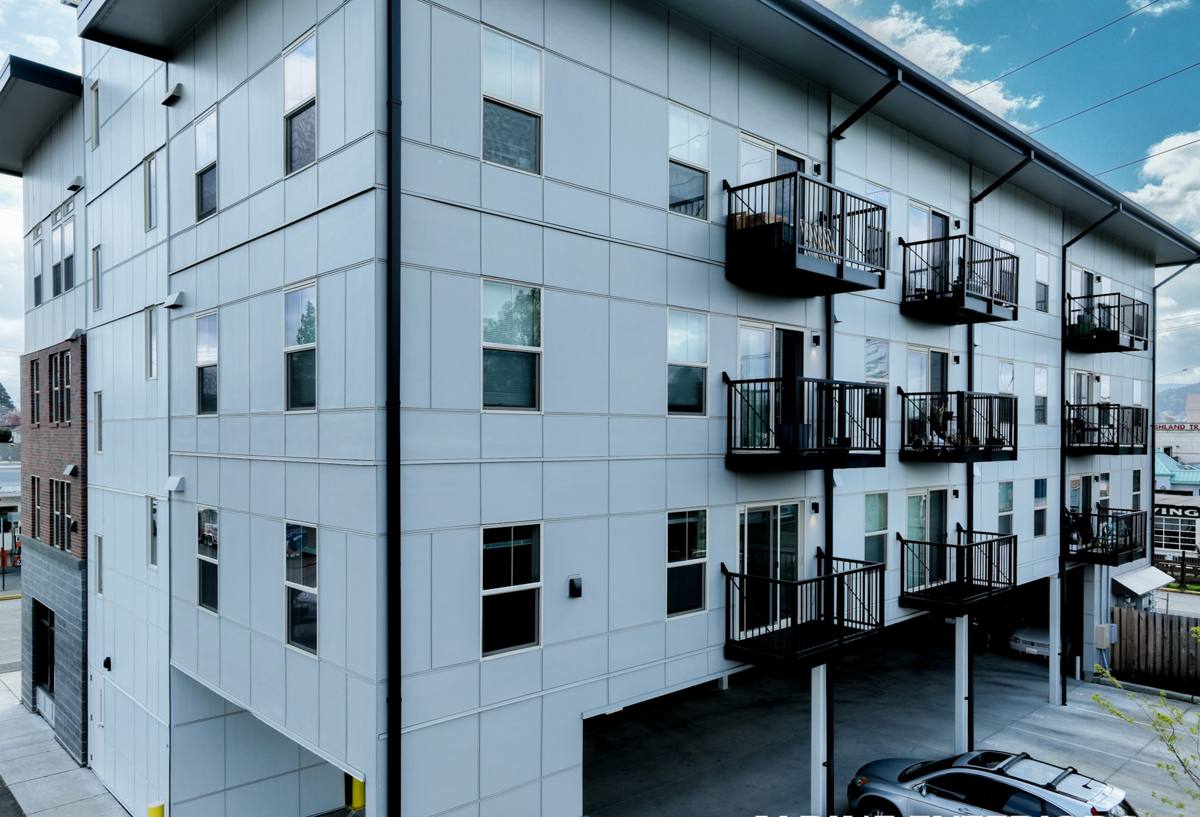
What Florida's Climate Does to Windows Over Time
Wind and Pressure
During tropical storms and hurricanes, windows don't just face direct wind — they face pressure differentials that can pull a poorly anchored frame right out of the rough opening, or flex a frame enough to break the seal around the glass. Building code in this part of Florida reflects that reality, and installation has to match the window's rated performance, not just the window's sticker.
Wind-Driven Rain
Most window leaks aren't caused by a bad window — they're caused by a bad installation. Wind-driven rain gets pushed sideways and upward under pressure, so flashing, sealant placement, and drainage paths matter as much as the product itself. A window can carry a great rating and still leak if the opening underneath it wasn't prepped correctly.
UV Exposure
Year-round sun degrades vinyl, breaks down cheap sealants, and fades interior finishes faster than in most of the country. Frame material and glass coatings both need to be chosen with that in mind, not just for the first summer but for the tenth.
Salt Air and Humidity
Even away from the immediate coastline, salt-bearing air moves inland across the Tampa Bay area and accelerates corrosion on hardware, fasteners, and metal components. Combined with Florida's humidity, that's also a recipe for condensation and moisture problems if a window isn't sealed and flashed properly.
Signs a Carrollwood Home Needs New Windows
- Visible daylight, drafts, or whistling around the frame during windy weather
- Fogging or moisture trapped between panes of a double-pane unit — the seal has failed
- Wood or composite frames that are soft, discolored, or show rot at the corners
- Difficulty opening, closing, or locking — frames can shift as a house settles or as old sealant fails
- Noticeably higher cooling bills with no other explanation
- Staining or soft drywall on the interior wall below or beside a window — a sign water has already been getting in
- Windows that predate current wind-load code and were never verified against today's requirements
Any one of these is worth a look. Several together usually means the whole window — not just the glass — has reached the end of its service life.
What a Correct Installation Actually Involves
The window product matters, but installation quality is what actually determines whether it performs for 20+ years or starts leaking in year three. A correct job includes:
Opening Prep
Removing the old unit fully, inspecting the rough opening for rot, moisture damage, or out-of-square framing, and repairing anything compromised before the new window goes in. Installing a new window into a damaged opening just seals the problem inside the wall.
Flashing and Drainage
Proper flashing tape and a drainage path so any water that gets past the exterior seal has somewhere to go besides your wall cavity. This is the step that's most often skipped or done sloppily by crews trying to move fast, and it's the one that causes the most expensive damage down the road when it's missed.
Anchoring to Rated Specifications
Fasteners, spacing, and anchor points that match the window's design pressure rating — not a generic pattern used on every install regardless of product or wall type. An impact-rated window anchored incorrectly performs like a non-rated window in a real storm.
Sealing
Exterior sealant compatible with the frame material and rated for sustained UV and moisture exposure, applied at every point water could otherwise travel — not just a bead around the visible trim.
Interior Finish and Insulation
Proper backer rod and low-expansion foam or insulation around the frame, then finish work that leaves the interior looking clean and matches the surrounding wall or trim.
Our Installation Process
- On-site assessment. We evaluate your existing windows, openings, and any signs of prior water intrusion before recommending anything.
- Product selection. We walk through frame material, glass options, and wind-rating requirements based on your home and budget — no upselling to the most expensive line by default.
- Written estimate. Clear pricing, timeline, and scope before any work starts.
- Removal and opening inspection. Old units come out, and we address any rot or damage found underneath before installing anything new.
- Installation. Flashing, anchoring, and sealing done to match the window's rated performance and current code.
- Final inspection and cleanup. We check operation, seals, and finish work, and leave the job site clean.
Comparing Window Options for This Climate
| Factor | Impact-Rated Windows | Standard Windows + Shutters |
|---|---|---|
| Wind protection | Built into the window itself | Depends on shutters being deployed every time |
| Daily convenience | No prep needed before a storm | Shutters must be installed or closed each storm |
| Upfront cost | Higher per window | Lower window cost, added shutter cost |
| Noise and UV reduction | Generally better, even outside storm season | No benefit unless shutters are closed |
| Insurance considerations | May qualify for wind-mitigation credits | Credit depends on shutter type and rating |
Neither option is wrong — it depends on your budget, how the home is used, and how the previous windows performed. We'll walk through the honest trade-offs for your specific house rather than push one answer for every homeowner.
Frame Material Considerations
Vinyl, aluminum, and fiberglass frames each handle Florida's UV and humidity differently. Vinyl is cost-effective and low-maintenance but can expand and contract more with heat; aluminum is strong and slim-profile but conducts heat and can corrode faster near salt air if hardware isn't corrosion-resistant; fiberglass holds up well to both UV and moisture but generally costs more. We'll talk through which fits your home instead of defaulting to whatever's easiest to install.
What Affects Window Installation Cost
| Cost Factor | Why It Matters |
|---|---|
| Impact rating | Impact-rated glass and frames cost more but reduce storm prep and may lower insurance premiums |
| Number of windows | Whole-home replacement typically brings a better per-window rate than one-off jobs |
| Frame material | Vinyl, aluminum, and fiberglass carry different material costs |
| Opening condition | Rot or framing repair adds labor and materials beyond the window itself |
| Size and configuration | Larger openings, custom shapes, or specialty units (bay, picture, etc.) cost more than standard sizes |
| Interior finish work | Matching existing trim or drywall repair adds finishing labor |
We give firm written estimates after seeing the actual openings — not a phone quote based on guesswork, because rough opening condition alone can swing a job's cost significantly.
Why a Crew That Already Works Carrollwood Matters
A crew that regularly works in the greater Tampa Bay area already knows the wind-load requirements that apply to this region, has relationships with suppliers who stock the right rated products without a long special-order wait, and has seen firsthand what happens when installation shortcuts get taken on a home like yours. That's different from a crew traveling in from outside the area running a generic install process built for a different climate entirely.
It also means someone local is accountable after the job is done — for warranty questions, for a seal that needs a second look after the first hard summer storm, or just for a straight answer about whether something is worth fixing now or later.
Before You Hire Anyone for Window Work
- Confirm they carry proper licensing and insurance for window installation in Florida
- Ask specifically how they flash and seal openings — not just what window brand they sell
- Get a written estimate that separates product cost from labor and any opening repair
- Ask what wind-load rating the proposed windows carry and whether it matches your home's requirements
- Check whether they inspect and repair the rough opening as standard practice, not as an upcharge surprise
- Get the warranty terms in writing — both the manufacturer's and the installer's labor warranty
If your Carrollwood-area home needs new windows, or you're not sure whether your current ones are actually doing their job in this climate, we're glad to take a look. Request a free, no-pressure estimate using the form below and we'll give you a straight assessment — no obligation.