 Oldsmar Siding
 Why Citrus Park Homes Need Siding Built for This Climate
Citrus Park sits in the humid, storm-exposed stretch of the greater Tampa Bay area, close enough to Oldsmar that homes in both communities face the same exterior stress test year after year. Hurricane-force wind gusts push against exterior walls and probe every seam and fastener. Intense, near-constant UV exposure bakes paint films and breaks down weaker siding materials from the outside in. Wind-driven rain doesn't just fall straight down here — it drives sideways into laps, corners, and trim, looking for any gap in the wall assembly. And salt air carried in off the Gulf settles on every exterior surface, accelerating corrosion in fasteners and speeding up rot in anything that isn't built to resist moisture.
Siding in this area isn't just a cosmetic choice. It's the first line of defense between a home's structure and a climate that works against it twelve months a year. That's the lens we use on every Citrus Park fiber cement job — not what looks good on day one, but what still performs after a decade of Florida weather.
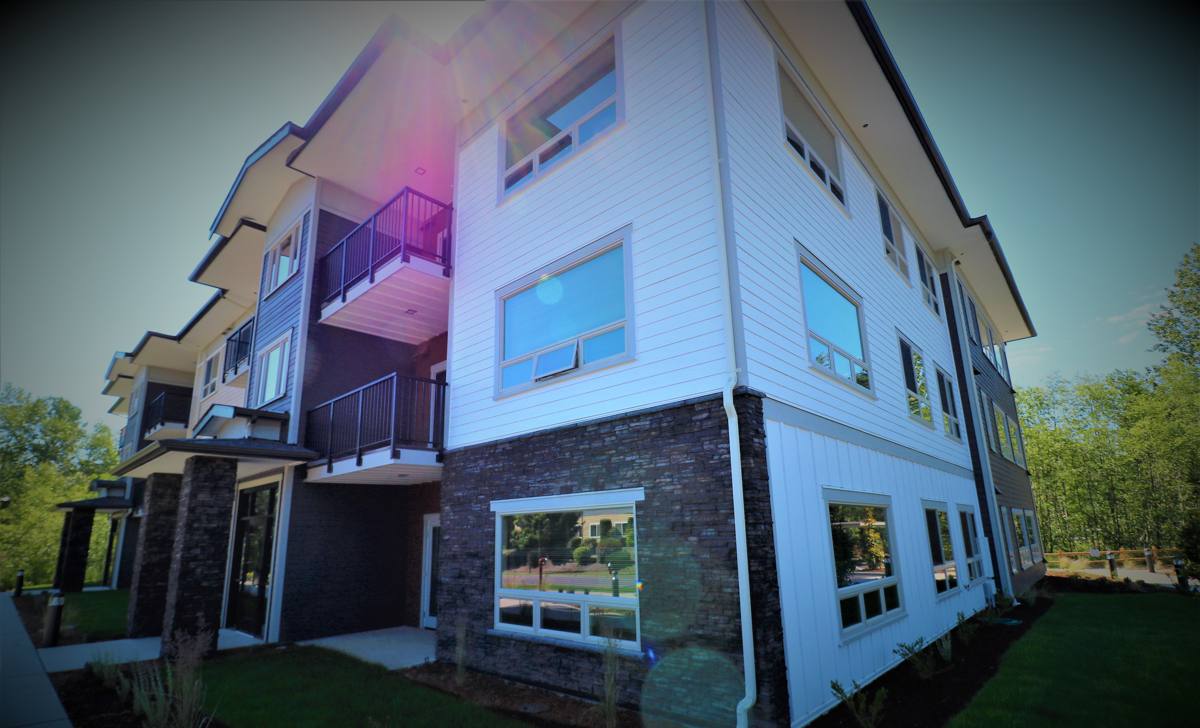
What Fiber Cement Siding Actually Is
Fiber cement siding is manufactured from a mix of Portland cement, sand, and cellulose fiber, cured into dense, dimensionally stable planks or panels. Unlike wood, it doesn't feed rot or termites. Unlike vinyl, it doesn't soften, warp, or become brittle under extreme heat and UV. It holds paint and factory finishes far longer than wood-based products because the substrate itself doesn't expand and contract the way wood does with humidity swings.
That stability matters directly in a climate like ours. A material that swells when it's humid and shrinks when it's dry eventually opens gaps at joints and fastener points — exactly where wind-driven rain gets in. Fiber cement's dimensional stability is a big part of why it holds up better here than the alternatives.
James Hardie: The Only Fiber Cement We Install
Not all fiber cement is engineered the same way, and we've made a deliberate decision to install James Hardie products exclusively rather than competing brands. A few reasons drive that standard:
- Climate-engineered product lines. Hardie's HZ5 formulation is engineered specifically for humid, high-moisture climates like Florida's, rather than a one-size-fits-all national spec.
- ColorPlus factory finish. Color is baked on in a controlled factory environment with a finish designed to resist UV fading, rather than relying on field-applied paint that has to cure correctly on-site and gets repainted every several years.
- A strong, transferable warranty backed by a manufacturer with a long track record in fiber cement, not a smaller player with a thinner history.
- Consistency. Because we only install one system, our crews know its fastening schedules, clearances, and finish requirements cold — there's no guessing between product lines.
We won't install LP SmartSide, vinyl, Cemplank, Allura, or bare primed wood siding, and we're upfront about why: those products each carry trade-offs in moisture behavior, maintenance burden, or installation sensitivity that we don't think hold up to this climate over the long haul. Hardie is what we stand behind.
Hardie Product Lines Commonly Used in This Area
| Product | Best Use | Why It Fits Here |
|---|---|---|
| HardiePlank lap siding | Most exterior walls | Traditional lap look, engineered for moisture and wind exposure |
| HardiePanel vertical siding | Accent walls, gables, modern facades | Clean lines, strong wind and impact resistance |
| HardieTrim boards | Corners, fascia, window and door trim | Resists rot where wood trim traditionally fails first |
| HardieSoffit panels | Under-eave areas | Holds up under humidity and pest pressure better than wood soffit |
What a Correct Installation Involves
Fiber cement siding is only as good as the installation behind it. Most siding failures we get called out to inspect aren't material failures — they're installation shortcuts. A correct Hardie install on a Citrus Park home includes:
- A water-resistive barrier (house wrap) installed and lapped correctly behind the siding, not just stapled up as an afterthought
- Proper flashing at every window, door, and roofline intersection so wind-driven rain has somewhere to go besides the wall cavity
- Fastener placement and spacing that matches Hardie's published specifications for wind zone requirements, not a generic nailing pattern
- Correct clearance between the bottom edge of the siding and grade, decks, and roof lines to keep splashback and standing moisture away from the board
- Sealed and caulked joints at trim and panel seams, using products compatible with the ColorPlus finish
- Field-cut edges sealed per manufacturer instructions, since an unsealed cut edge is one of the few places fiber cement can absorb moisture
Skip any one of these steps and you can end up with a product rated for decades performing far worse — not because the siding failed, but because the installation didn't give it a fair chance.
What We Commonly Find on Older Homes in This Area
When we inspect homes in and around Citrus Park for a siding replacement, a handful of issues show up repeatedly:
- Wood or older composite siding with soft spots near the bottom courses, where years of splashback and humidity have taken hold
- Vinyl siding that's warped, cracked, or faded unevenly after repeated summers of intense UV exposure
- Trim boards rotted out around windows and doors well before the field siding itself failed
- Caulk joints that dried out and cracked, letting wind-driven rain track behind the siding during storms
- Corrosion on fasteners and trim accessories from long-term salt air exposure, especially on homes with more open exposure to prevailing winds
None of these are unusual for the region — they're simply what this climate does to siding systems that weren't built or installed to handle it.
Our Process, Start to Finish
1. On-Site Inspection and Assessment
We walk the exterior, check for moisture intrusion, soft sheathing, and existing damage, and identify any trim, flashing, or structural issues that need addressing before new siding goes up — not after.
2. Tear-Off and Substrate Check
Old siding comes off down to the sheathing so we can actually see what's underneath. Any rotted sheathing or framing gets addressed at this stage, not covered over.
3. Weather Barrier and Flashing
A new water-resistive barrier goes on correctly lapped, followed by flashing at every penetration and transition point. This step does more to prevent future leaks than the siding material itself.
4. Installation to Manufacturer Specification
HardiePlank, HardiePanel, and trim go up following Hardie's fastening, clearance, and sealing requirements for our wind zone — not a shortcut version of them.
5. Final Walkthrough
We walk the finished job with the homeowner, check caulk lines and trim details, and make sure everything matches what was scoped before calling it complete.
Cost Factors to Expect
We don't publish flat prices because every home is different, but the factors that drive cost are consistent and worth understanding before you start getting quotes:
| Factor | Why It Matters |
|---|---|
| Home size and wall area | More square footage means more material and labor |
| Existing siding removal | Tear-off of multiple old layers or damaged sheathing adds time and cost |
| Number of stories | Second-story and high-gable work requires more setup, staging, and safety measures |
| Trim and accessory scope | Full trim replacement (corners, fascia, soffit) adds to the base siding cost |
| Access and site conditions | Tight lots, landscaping, or limited driveway access can affect labor time |
| Product line and profile | Panel style, plank width, and texture selection affect material cost |
The most reliable way to get an accurate number is a walk-through of the actual home, since two houses of the same square footage can have very different scopes once trim, access, and existing damage are factored in.
Maintenance After Installation
One of the appeals of Hardie siding with a ColorPlus finish is how little upkeep it needs compared to wood or field-painted siding — but "low maintenance" doesn't mean "no maintenance," especially in a salt-air, storm-prone climate. A simple annual routine goes a long way:
- Rinse the exterior periodically to clear salt residue and airborne grime, especially on homes closer to open water or exposed to prevailing coastal winds
- Inspect caulk joints at trim, windows, and panel seams once a year and touch up any that have cracked or pulled away
- Check for any impact damage after major storms — hail, debris, or falling branches can chip the finish even though the board itself resists this well
- Keep irrigation heads and sprinklers from spraying directly on the siding long-term, since constant wetting undermines even a good moisture-resistant material
- Keep landscaping and vegetation trimmed back from exterior walls to maintain airflow and reduce trapped moisture
Why Hiring a Crew That Already Works Citrus Park Matters
Siding installation isn't a generic skill that transfers evenly from one climate to another. A crew that regularly works homes around Citrus Park and Oldsmar already understands the local wind exposure, the way salt air behaves on exterior fasteners and trim, and which flashing details matter most given how rain tends to move through this area during storms. That local repetition shows up in the details — the fastening pattern, the clearance at grade, the flashing at a window head — the parts of the job a homeowner may never see but that determine whether the siding performs for twenty years or ten.
It also matters for warranty support. A crew that's still working in the area next year, and the year after that, is a crew that can actually stand behind the installation warranty tied to the manufacturer's product warranty — not just hand you paperwork and move on.
If you're considering fiber cement siding for a home in or near Citrus Park, we're happy to walk the exterior with you, point out anything we see, and put together a straightforward, no-pressure estimate. There's no obligation — just an honest look at what your home needs.