 Oldsmar Siding
 Why Citrus Park Homes Need Siding Built for This Climate
Homes in and around Citrus Park sit in one of the more demanding exterior climates in the country. Between hurricane-force wind gusts, intense year-round UV exposure, wind-driven rain that forces water sideways into every seam and joint, and the salt air that drifts inland off Tampa Bay and the Gulf, siding here works harder than siding almost anywhere else in the U.S. Pinellas County's building code reflects that reality, and so should the material and installation method a contractor chooses.
Cheap or improperly installed siding doesn't just look bad after a few Florida summers — it fails functionally. Panels warp, seams open, fasteners corrode, and moisture finds its way behind the cladding where it can sit against sheathing and framing. That's the backdrop for why we specialize in one product, installed one correct way, for homes in this area.
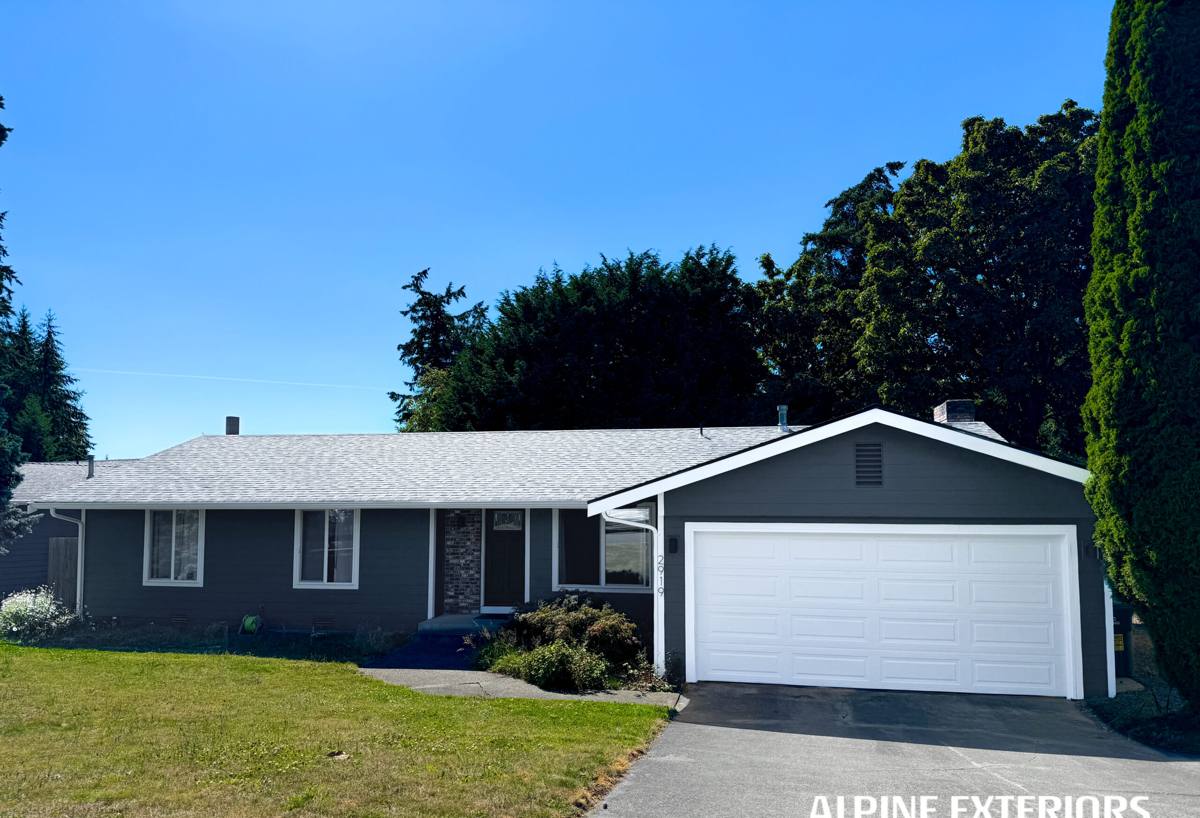
Why We Install Only James Hardie Fiber Cement Siding
We don't install vinyl, LP SmartSide, Cemplank, Allura, primed spruce, or cedar. That's a deliberate standard, not a sales pitch, and it's worth explaining honestly rather than just asserting it.
Vinyl siding is inexpensive and easy to install, but it's a petroleum-based product that softens and expands in high heat and UV, then contracts in cooler snaps — over years that cycle leads to warping, fading, and seams that gap in high wind. In a wind-driven rain event, gapped vinyl seams are exactly where water gets behind the wall. Engineered wood products like LP SmartSide perform reasonably well in drier climates, but they use a wood-strand substrate that is more sensitive to sustained moisture exposure than fiber cement — a real concern in a county that sees heavy, frequent rain and high humidity most of the year. Cedar and primed wood siding can look great initially, but they demand a repainting and caulking schedule that most homeowners underestimate, and they're combustible. Other fiber cement brands like Cemplank and Allura are legitimate competitors to James Hardie on paper, but James Hardie is the manufacturer that engineers products specifically for high-humidity, high-wind, coastal-adjacent regions like ours, backs them with a factory finish warranty, and has the longest track record of any fiber cement maker in Florida.
James Hardie fiber cement is non-combustible, dimensionally stable across Florida's heat and humidity swings, and available in HZ5 formulations engineered for exactly this climate zone. The ColorPlus factory-applied finish is baked on under controlled conditions rather than field-painted, which matters enormously under constant UV — it resists fading and chipping far longer than a job-site paint job, and it comes with its own finish warranty separate from the substrate warranty. That combination is why we standardized on it and why it's the only product we put our name behind.
What a Correct James Hardie Installation Actually Involves
James Hardie makes a durable product, but the manufacturer's own data and warranty terms are clear: performance depends on installation matching their published specifications exactly. A rushed or generic installation can undercut everything the material is engineered to do, especially in a wind and moisture environment like Citrus Park's.
Wind Zone and Fastening Requirements
Pinellas County falls within wind zones that require specific fastener types, spacing, and embedment depth for siding to hold up under hurricane-force gusts. That means corrosion-resistant fasteners (stainless steel or hot-dip galvanized, not standard coated nails that can rust and streak in salt air), correct fastener placement relative to stud lines, and adherence to the nailing pattern James Hardie specifies for the local wind exposure category. Skipping studs, over-driving nails, or using the wrong fastener spacing are common shortcuts that don't show up as a problem until the first serious storm.
Moisture Management Behind the Siding
Fiber cement is not waterproof on its own — the assembly behind it is what keeps a home dry. That means a continuous weather-resistant barrier, correctly lapped and taped house wrap, proper flashing at every window, door, and roofline intersection, and a minimum ground clearance (James Hardie specifies at least 6 inches from grade, and more where irrigation or sprinkler spray is a factor) to keep the bottom edge of the siding from sitting in standing moisture. In wind-driven rain, water gets pushed sideways and upward into gaps that would never see water in a calmer climate — every seam, joint, and penetration has to be treated as a potential entry point during installation, not caulked over as an afterthought.
Choosing the Right Hardie Product Line for Citrus Park Homes
James Hardie's product system gives us options to match the architecture common in the area without stepping outside the engineered performance of the line.
- HardiePlank lap siding — the standard horizontal lap look found on most homes in the area; available in multiple exposure widths and textures (smooth, cedarmill).
- HardieShingle siding — used as an accent on gables, dormers, or full elevations where a shingle-style look is wanted without the maintenance of real wood shakes.
- HardiePanel vertical siding — used for board-and-batten sections, porch gables, or modern architectural accents.
- HardieTrim boards — matched fiber cement trim around windows, doors, and corners so the entire exterior envelope is the same non-combustible, factory-finished material, rather than mixing in wood trim that will weather differently.
ColorPlus finish colors are formulated to hold up under intense, near-constant Florida sun, and choosing from that factory palette (rather than field-painting standard primed Hardie board) is what keeps the finish warranty intact and the color consistent over time.
Our Installation Process
The process is the same discipline whether the job is a single elevation repair or a full re-side, because the steps that get skipped are usually the ones that cause problems years later.
- Inspection and measurement — we walk the home, check existing siding and trim condition, identify problem areas (soft spots, prior water intrusion, rot at trim), and measure for material takeoff.
- Tear-off and substrate check — old siding comes off and the sheathing underneath gets inspected before anything new goes up; damaged sheathing gets addressed, not covered over.
- Weather barrier and flashing — a continuous, correctly lapped house wrap goes down first, followed by flashing at every window, door, and horizontal trim transition.
- Siding installation — HardiePlank, HardieShingle, or HardiePanel goes up per James Hardie's fastening schedule for our wind zone, with correct clearances at grade, roof lines, and adjacent surfaces.
- Trim, caulking, and touch-up — HardieTrim is installed, joints are caulked only where James Hardie specifies (over-caulking traps moisture rather than shedding it), and any field-cut edges are sealed per manufacturer instructions.
- Final walkthrough — we go over the finished job with the homeowner before calling it complete.
What James Hardie Siding Costs in Citrus Park
Every home is different, so we don't quote a number without seeing the house — but these are the main factors that move a Citrus Park-area estimate up or down.
| Cost Factor | Why It Matters Locally |
|---|---|
| Home size and elevation count | More square footage and more complex rooflines mean more material and labor |
| Tear-off of existing siding | Removing old vinyl, wood, or damaged fiber cement adds labor versus a bare-sheathing install |
| Sheathing or framing repair | Florida humidity and prior leaks sometimes mean rotted sheathing needs replacing before new siding goes up |
| Product line and profile | HardieShingle accents and custom trim details cost more than straight HardiePlank lap runs |
| ColorPlus color selection | Factory-finished color is included in material cost but affects lead time on certain colors |
| Access and site conditions | Tight lot lines, landscaping, or multi-story sections affect staging and labor time |
Why Hiring a Crew That Already Works in Citrus Park Matters
Siding contractors who don't regularly work this specific area tend to under-spec for it — using coastal-general assumptions instead of accounting for the actual wind exposure, humidity load, and salt air drift a given property sees. A crew based out of Oldsmar and working the greater Tampa Bay area routinely deals with Pinellas County permitting requirements, understands the wind zone fastening and clearance rules inspectors will check, and has seen firsthand how siding installed correctly (and incorrectly) holds up after a few hurricane seasons in this exact region.
That local track record also matters for warranty support. James Hardie's product warranty and our workmanship warranty are only as good as the contractor's ability to respond if a question comes up — a crew that's still working in your neighborhood next year and the year after is a very different proposition than an out-of-area outfit that moves on once the invoice is paid.
Maintenance and Long-Term Care After Installation
James Hardie siding installed to spec is low-maintenance, not no-maintenance. A little seasonal attention keeps it performing for decades in this climate.
- Rinse the exterior periodically to clear salt residue, pollen, and airborne debris before it builds up.
- Walk the perimeter after major storms and check caulking at trim joints, window/door surrounds, and penetrations for cracking or separation.
- Keep irrigation heads and sprinkler spray patterns aimed away from the siding — constant sprinkler wetting at the base is one of the most common causes of premature moisture issues.
- Trim back landscaping so it isn't holding moisture against the siding or scraping the finish.
- Address any soft spots, staining, or bubbling in caulk lines promptly rather than waiting — small sealant failures are a quick fix, and water intrusion behind the siding isn't.
- Repaint only with products and timing consistent with James Hardie's finish warranty terms if you ever choose to change the color from the factory ColorPlus finish.
If your Citrus Park-area home needs new siding, a repair, or you're just trying to figure out what correct James Hardie installation should look like for your property, we're happy to take a look. Reach out for a free, no-pressure estimate using the form below.