 Oldsmar Siding
 Citrus Park Roofs Take a Different Kind of Beating
Citrus Park sits in the thick of the Tampa Bay weather pattern, and that means a roof here earns its keep in ways a roof in a drier, calmer climate never has to. Summer brings near-daily thunderstorms with wind-driven rain that finds every weak seam and lifted shingle edge. Hurricane season adds sustained high winds and gusts that test every fastener, flashing detail, and ridge cap on the house. Year-round, intense UV exposure bakes shingle granules and dries out underlayment faster than manufacturers' lab tests always suggest. And because the whole Tampa Bay region sits close enough to open water to carry salt in the air, metal fasteners, flashing, and vent components corrode faster than homeowners moving from inland states expect.
None of this means Citrus Park homes need exotic roofing. It means they need a roof replacement done with these specific stresses in mind — not a generic installation that happens to be located here. That distinction shows up in the materials chosen, the fastening pattern used, the flashing details around penetrations, and the attention paid to ventilation. We work on roofs in this part of the Tampa Bay area regularly, and the patterns of wear we see are consistent enough that we plan for them before problems start, not after.
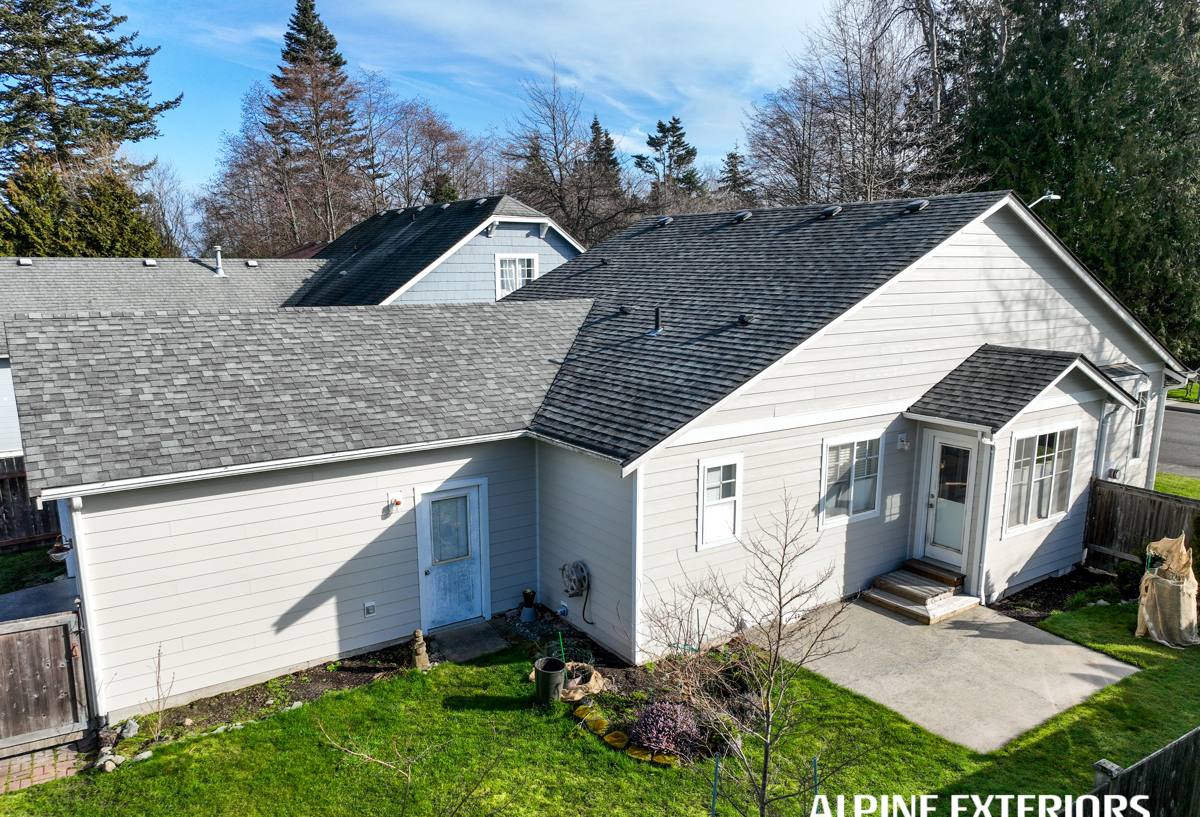
Signs a Roof Needs Replacing, Not Another Repair
A lot of roofs get patched two or three times before anyone asks whether patching still makes sense. Here's how we help homeowners tell the difference.
Age and Granule Loss
Most asphalt shingle roofs in this climate are realistically good for 18-25 years, depending on the product and how much direct sun exposure the roof gets. If your shingles are shedding granules heavily, curling at the edges, or the roof is past the 20-year mark, repairs start becoming a short-term fix for a long-term problem.
Storm Damage That Keeps Recurring
One wind event that lifts a few shingles is a repair. Repeated lifting after every strong storm season means the fastening pattern, the underlayment, or the roof deck itself is no longer holding up the way it should, and patch jobs will keep failing at the same spots.
Leaks at Multiple Points or Near the Deck
A single leak around one flashing detail is usually fixable. Leaks showing up in more than one area, or any sign of soft, spongy decking when a roofer walks the roof, point to underlayment and deck issues that a surface repair can't solve.
What an Honest Roof Replacement Actually Involves
A roof replacement is more than swapping old shingles for new ones. Done right, it addresses everything underneath the surface layer too.
Full Tear-Off and Deck Inspection
We remove the old roofing material down to the deck rather than layering over it. That's the only way to actually see the plywood or OSB underneath, check for soft spots or water staining, and replace any damaged sections before new material goes down.
Underlayment and Flashing
The underlayment is the roof's real waterproofing layer — the shingles are the wear surface on top of it. Given how much wind-driven rain this area sees, we don't treat underlayment as an afterthought, and we pay close attention to flashing around chimneys, skylights, and roof-to-wall transitions, since that's where the majority of leaks originate.
Fastening for Wind Uplift
Florida Building Code sets minimum fastening and nailing requirements specifically because of wind uplift risk, and we follow those requirements as a floor, not a ceiling. Correct nail placement, count, and pattern make a measurable difference in how a roof performs when gusts hit 60, 80, or 100+ mph.
Ventilation
A hot, poorly ventilated attic shortens shingle life from underneath, no matter how good the shingle is. Part of a proper replacement is checking that intake and exhaust ventilation are balanced, not just that vents exist.
Choosing a Roofing Material That Fits Citrus Park's Climate
There's no single "best" roofing material — there's a best fit for your home, your budget, and how long you plan to stay in it. Here's how the common options stack up under the conditions this area sees.
| Material | Typical Lifespan | Wind Performance | Maintenance |
|---|---|---|---|
| Architectural (dimensional) asphalt shingles | 18-25 years | Good, with proper fastening and rated products | Low; periodic inspection after storms |
| Metal roofing (standing seam or panel) | 40-60 years | Excellent when properly installed | Very low; occasional fastener/seam checks |
| Tile (concrete or clay) | 40-50+ years | Good, but individual tiles can crack or dislodge in severe wind and need prompt attention | Moderate; underlayment beneath tile still needs replacement on its own cycle |
We don't push one product over another as a rule — we walk homeowners through the honest trade-offs. Metal costs more up front but spreads that cost over a much longer service life and shrugs off UV and wind well. Architectural shingles cost less initially and remain the most common choice for good reason: solid performance at a reasonable price. Tile looks great and lasts a long time, but a cracked or shifted tile after a storm needs quick repair to protect the underlayment beneath it, and that underlayment still has its own replacement clock running.
A Word on Underlayment Choices
Whatever the surface material, we favor higher-grade synthetic or self-adhered underlayments in critical areas like valleys and eaves rather than the thinnest product that meets minimum code. The cost difference is modest; the difference in wind-driven rain protection is not.
Our Replacement Process, Start to Finish
- On-site inspection and honest assessment — we look at the whole roof system, not just the shingles, and tell you plainly whether you need a repair or a replacement.
- Written estimate — material options, scope of work, and pricing laid out clearly, with no vague allowances buried in the fine print.
- Permitting — we pull the required permit before work begins, as Florida law requires for roof replacement work.
- Tear-off and deck inspection — old material removed, deck checked and repaired where needed.
- Underlayment, flashing, and new roofing installation — installed to the manufacturer's specifications and Florida Building Code wind requirements.
- Cleanup and magnetic sweep — job site and surrounding yard cleared of debris and stray fasteners.
- Final walkthrough and permit closeout — we review the finished roof with you and make sure the permit is properly closed out with the county.
Permits, Codes, and Wind Mitigation
Roof replacement in Florida requires a permit, and the work has to meet Florida Building Code's wind-resistance provisions — these aren't optional extras, they're the baseline. Beyond code compliance, a new roof can also qualify your home for a wind mitigation inspection, which many insurance carriers use to adjust premiums based on features like roof shape, deck attachment method, and roof-to-wall connections. We handle the permitting process as part of the job and can point you toward a wind mitigation inspector once the new roof is complete — it's a separate inspection from the roofing work itself, but it's worth understanding since it can affect your insurance costs going forward.
Why It Matters That We Already Work in This Area
A roofing crew that regularly works Citrus Park and the surrounding Tampa Bay communities knows the practical details that don't show up in a spec sheet: which HOAs have specific requirements on shingle color or material, how the county permitting office typically handles roofing applications, and how local weather patterns should shape scheduling around a job so a home isn't left exposed during an afternoon storm. That familiarity doesn't replace good workmanship, but it does mean fewer surprises and fewer delays between the estimate and the finished roof over your head.
Checklist: What to Ask Before You Sign a Roofing Contract
- Is the contractor licensed and insured in Florida, and can they provide proof?
- Will they pull the required building permit, or expect you to?
- Does the estimate specify the exact shingle or material brand and product line, not just "architectural shingles"?
- Is the underlayment type specified, especially in valleys and eaves?
- What is the fastening pattern, and does it meet or exceed Florida Building Code wind requirements?
- Is a full deck inspection included, with a clear process for pricing any deck repairs found?
- What does the workmanship warranty cover, separate from the manufacturer's material warranty?
- Is cleanup, including a magnetic sweep for nails, included in the price?
A contractor who answers these questions clearly, in writing, before any work starts is telling you a lot about how the rest of the job will go.
Get a Straight Answer About Your Roof
If your Citrus Park home's roof is showing its age, took a hit in the last storm season, or you're just tired of guessing whether that next repair is worth it, we're happy to take a look and give you an honest read on where things stand. There's no pressure and no obligation — just a clear estimate and straight answers, using the form below.