 Oldsmar Siding
 Siding Installation for Citrus Park Homes
Homes in and around Citrus Park sit in the same demanding weather corridor as the rest of the greater Tampa Bay area — hot, humid summers, sudden downpours, tropical storm systems that push wind-driven rain sideways into walls, and a coastal air mass that carries salt further inland than most homeowners realize. Siding here isn't just a cosmetic layer. It's the first line of defense between that climate and the wood framing, insulation, and interior finishes of the house. When we talk to homeowners in this area about a siding project, the conversation almost always starts with the same question: what's actually failing, and why?
This page is about one thing — installing siding correctly for a Citrus Park home, in this climate, done once and done right. We'll walk through what the regional conditions demand, what a proper installation actually involves step by step, and why the crew doing the work matters as much as the material going on the wall.
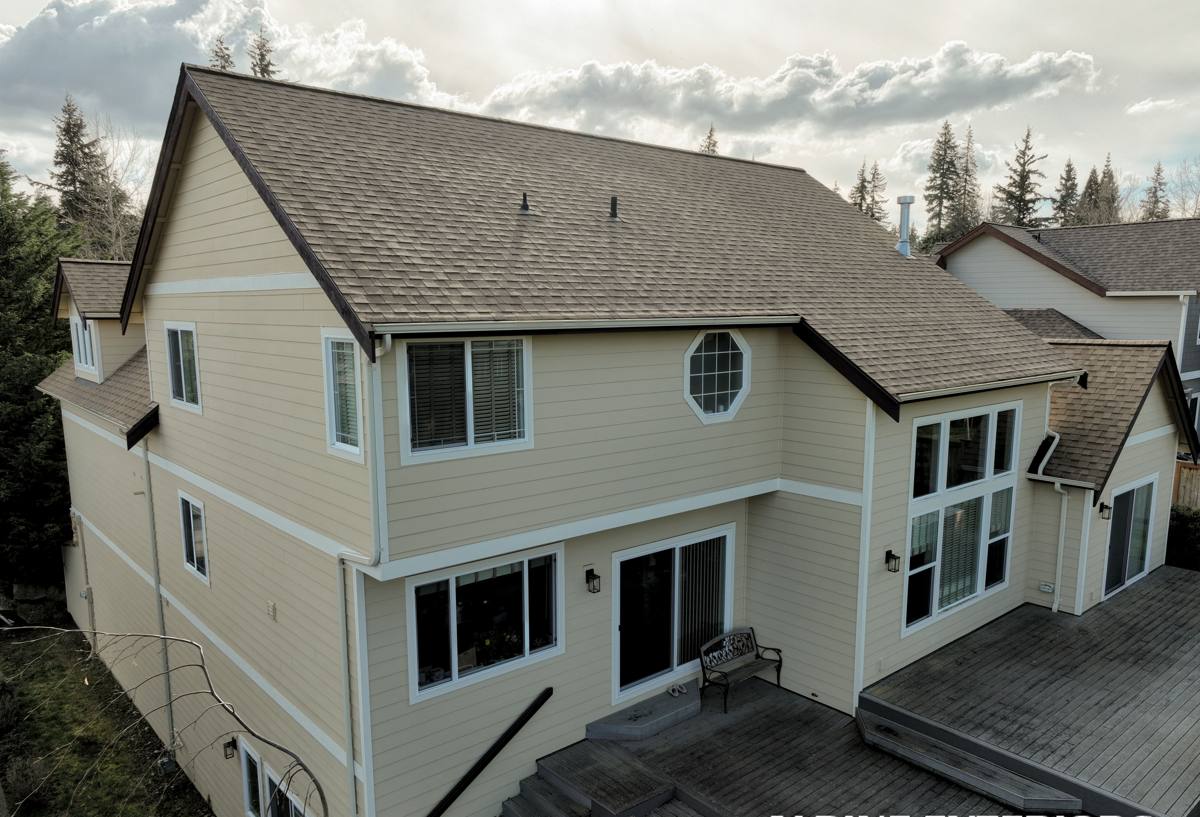
What This Climate Does to Siding Over Time
Florida's Gulf Coast is hard on exterior building materials in ways that are easy to underestimate until you've seen the damage up close. Four factors do most of the work:
Hurricane-Force and Sustained High Winds
Even a storm that never reaches hurricane strength locally can generate wind gusts strong enough to test poorly fastened siding, loose trim, and weak flashing details. Siding that isn't fastened to the manufacturer's wind-load specification is the first thing to lift, crack, or peel away in a squall line — and once one panel goes, wind and rain get behind the whole wall.
Intense, Year-Round UV Exposure
Central Florida gets strong sun exposure essentially every month of the year. UV breaks down pigments and resins in lower-grade siding products, which is why fading, chalking, and brittleness show up faster here than in almost any other part of the country. A finish that's rated for "average" sun exposure elsewhere is being tested at a much higher rate here.
Wind-Driven Rain
Rain that falls straight down is manageable. Rain that gets pushed horizontally into a wall assembly during a storm is a different problem — it finds every gap in flashing, every under-lapped seam, and every place where a fastener wasn't sealed properly. This is where most real water intrusion problems start, and it's almost always an installation issue, not a material one.
Salt Air
You don't have to be oceanfront to feel salt air's effects. Moisture carried inland from Tampa Bay settles on exterior surfaces, accelerates corrosion on fasteners and trim hardware, and speeds up the breakdown of materials that aren't built to resist it. Over years, this is a slow, cumulative stress that shows up as rust streaking, pitted metal accessories, and premature paint failure.
None of these forces act alone — they compound. A wall that takes wind-driven rain intrusion during storm season, then bakes under UV for the rest of the year, ages very differently than the same wall in a drier, milder climate. That's the baseline every Citrus Park siding job has to be designed around.
What a Correct Siding Installation Actually Involves
A lot of siding problems we get called out to look at aren't material failures — they're installation shortcuts that took years to show up. Getting it right the first time means paying attention to details that aren't visible once the job is finished.
The Weather-Resistive Barrier Comes First
Before any siding goes up, the wall needs a properly lapped and sealed weather-resistive barrier. This layer is what actually stops incidental water that gets past the siding from reaching the sheathing. Rushing this step — or reusing a torn or improperly overlapped barrier — undermines everything installed on top of it, no matter how good the siding itself is.
Flashing at Every Penetration
Windows, doors, hose bibs, light fixtures, vents — every penetration through the siding plane is a potential entry point for water. Correct flashing detail at each one, integrated with the weather barrier in the right shingle-lap order, is what keeps wind-driven rain from tracking behind the siding during a storm.
Fastening to Manufacturer and Wind-Load Specification
Fastener type, spacing, and placement are engineered by the manufacturer for a reason, and that reason is largely about wind performance. Nail guns set too deep, fasteners spaced too far apart, or the wrong fastener type entirely are common shortcuts that don't show up until the first real windstorm tests the wall.
Clearances and Gaps
Siding needs proper clearance from the roofline, from grade, and at butt joints and corners to allow for expansion and drainage. Installed too tight, siding traps moisture against itself; installed with the wrong gap at joints, it can crack under thermal movement or let water track in at the seam.
Correct Caulking and Sealant Practice
Not every seam should be caulked, and the ones that should need the right sealant for the material and the exposure. Over-caulking traps moisture in places it needs to escape from; under-sealing leaves entry points open. This is a detail that separates a crew that treats installation as a system from one that's just covering a wall.
Why We Install James Hardie Fiber Cement — And Nothing Else
We made a decision early on to install only James Hardie fiber cement siding, and we stand behind that decision on every job, including here in Citrus Park. We don't install vinyl, LP SmartSide, Cemplank, Allura, or primed wood species like spruce or cedar. That's not a marketing position — it's a professional standard built around what actually holds up in this climate over the long term.
Vinyl softens and can distort in sustained high heat, and it's a poor match for a coastal wind zone where sustained gusts test every fastening point. Wood-based products like primed spruce and cedar are naturally attractive but need consistent maintenance to keep moisture out, and that maintenance burden only grows in a humid, high-UV climate where paint and sealant cycles wear out faster. Engineered wood products bring their own moisture-management requirements that demand precise installation and ongoing upkeep to avoid edge swelling and delamination.
James Hardie fiber cement is non-combustible, dimensionally stable in heat and humidity, and its ColorPlus factory finish is baked on under controlled conditions rather than applied on-site — which matters enormously under year-round Florida UV. Hardie's HZ5 product line is engineered specifically for high-humidity, moisture-prone climates like ours, and the company backs it with a strong, transferable warranty when the installation is done to their specification. That last part is the key: fiber cement's real-world performance is inseparable from correct installation, which is exactly what the previous section walked through.
Material Comparison for This Climate
| Factor | Vinyl | Wood / Primed Spruce & Cedar | James Hardie Fiber Cement |
|---|---|---|---|
| Wind performance | Can crack, warp, or blow off in high sustained gusts | Depends on fastening; moisture-softened wood loses holding strength over time | Engineered and rated for high wind zones when installed to spec |
| UV / sun exposure | Fades and can become brittle under intense, year-round sun | Paint fades and chalks; recoating needed on a regular cycle | Factory-baked ColorPlus finish resists fading far longer than field-applied paint |
| Moisture & salt air | Doesn't rot, but seams and fasteners can trap moisture behind panels | Vulnerable to rot, swelling, and insect damage if moisture gets in | Dimensionally stable; HZ5 line engineered for humid, moisture-prone climates |
| Maintenance burden | Low, but damage often means full panel replacement | Highest — regular painting/sealing required to keep performing | Low when installed correctly; no repainting cycle needed for years |
| Fire performance | Combustible | Combustible | Non-combustible |
| Warranty structure | Varies by manufacturer, often prorated | Limited, mostly on the material only | Strong transferable warranty tied to correct installation |
Our Installation Process
Every siding job we run in the Citrus Park area follows the same disciplined sequence, whether it's a full tear-off or a section replacement:
- Assessment and measurement — we inspect existing siding, sheathing, and trim for hidden moisture damage before quoting the job, not after we've started.
- Removal and substrate check — old siding comes off, and any compromised sheathing or framing is identified and addressed before anything new goes up.
- Weather-resistive barrier installation — installed and lapped correctly, with attention to every seam and penetration.
- Flashing at all penetrations — windows, doors, and fixtures get flashed in the correct order relative to the weather barrier.
- Siding installation to manufacturer wind-load spec — correct fastener type, spacing, and clearance at every course and joint.
- Trim, caulking, and finish detail — sealant applied only where it should be, corners and joints finished to shed water correctly.
- Final walkthrough — we review the completed work with the homeowner before calling the job done.
Skipping or rushing any one of these steps is exactly how a siding job looks fine for a season or two and then starts showing problems at the seams, corners, and penetrations first — the same places wind-driven rain always finds first.
Signs a Citrus Park Home May Need New Siding
Not every siding problem is obvious from the street. Here's what we tell homeowners to watch for:
- Visible cracking, buckling, or warping in existing siding panels
- Soft or spongy spots when pressing gently on siding near the base of the wall
- Paint or finish that's chalking, peeling, or fading unevenly
- Rust streaking near fasteners or trim hardware
- Gaps opening up at seams, corners, or around window and door trim
- Rising utility bills that suggest air and moisture are getting through the wall assembly
- Visible mold, mildew, or discoloration on or just behind the siding surface
- Siding that flexes or feels loose when pushed near a seam
Any one of these on its own might be minor. Several appearing together usually means the wall assembly behind the siding — not just the siding itself — needs a closer look.
Why a Crew That Already Works in This Area Matters
Siding installation isn't just a product-and-labor transaction — it's a job that depends on understanding the specific conditions a house faces. A crew that regularly works in and around Citrus Park and the broader Oldsmar area already understands the wind exposure, the humidity cycle, and the way storms typically move through this part of the Gulf Coast. That local pattern recognition shows up in small decisions on the job: how tight to run clearances, where extra flashing attention is warranted, and how to sequence work around Florida's weather rather than fighting it.
Local experience also means familiarity with the permitting and inspection process for this part of Pinellas County, which keeps a project moving instead of stalling on paperwork. And it means a contractor who's still going to be around — reachable, accountable, and local — years after the job is finished, which matters enormously given that fiber cement siding is meant to perform for decades, not just look good on installation day.
Caring for Your Siding After Installation
James Hardie fiber cement is low-maintenance compared to wood or vinyl, but "low-maintenance" isn't "no-maintenance." A simple annual check goes a long way in this climate:
- Rinse siding periodically to clear salt residue and airborne grime before it builds up
- Inspect caulked joints and touch up any that have opened or dried out
- Keep sprinklers and irrigation from spraying directly and repeatedly onto siding
- Trim back vegetation that holds moisture against exterior walls
- Have any storm damage inspected promptly rather than waiting for the next season
These are small habits, but in a climate that never really lets up, they're what keeps a correctly installed siding job performing the way it's supposed to for its full lifespan.
Get a Straight Answer for Your Home
If you're seeing any of the warning signs above, or you're simply due for a siding upgrade and want it done right the first time, we're glad to take a look. We'll give you a clear, no-pressure assessment of what your Citrus Park home actually needs — no invented urgency, no upsell to a product we wouldn't put on our own homes. Request a free estimate using the form below and we'll go from there.