 Oldsmar Siding
 Composite Decking for Eastlake Woodlands Homes
Eastlake Woodlands sits in one of Oldsmar's more established residential pockets, with mature tree canopy, curving streets, and a mix of homes old enough that many original wood decks are due for replacement. When homeowners here start looking at composite decking, they're usually replacing a wood deck that's cupping, splintering, or rotting at the ledger board faster than it should. Composite isn't a trend purchase in this neighborhood — it's a practical response to a climate that is genuinely hard on exterior wood.
This page covers what composite decking specifically needs to hold up in Eastlake Woodlands, what a correctly built deck involves structurally, and how we approach the job from first estimate to final walkthrough.
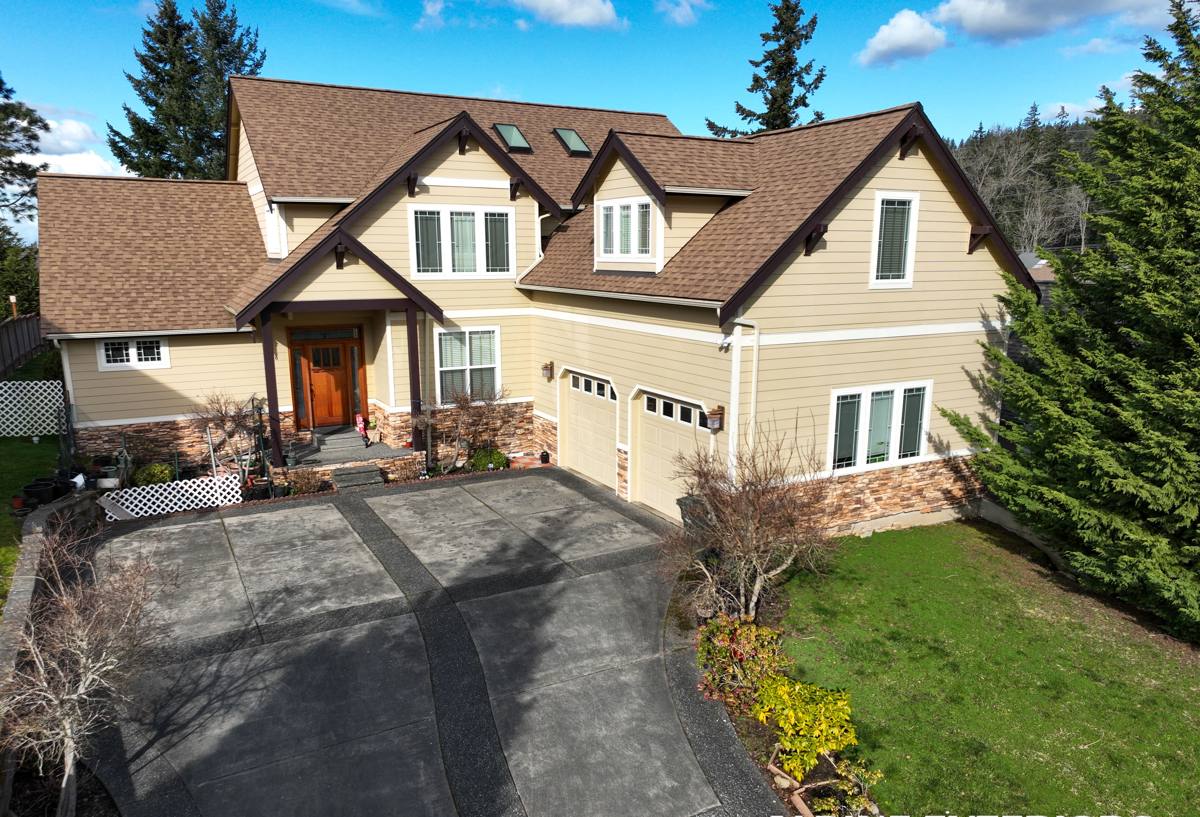
What Pinellas County Weather Actually Does to a Deck
Oldsmar's location on Tampa Bay means decks here deal with a combination of stresses that inland decks rarely see all at once.
UV and Heat
Florida sun is intense and nearly constant. Uncapped or lower-grade composite boards can fade unevenly, especially where a section of deck gets more direct afternoon sun than another shaded by tree cover — a common situation in Eastlake Woodlands given the neighborhood's landscaping. Surface heat buildup on darker boards is also a real comfort issue for bare feet in summer.
Humidity and Wind-Driven Rain
Afternoon storms and high ambient humidity mean deck framing stays damp longer than it does in drier climates. Any water that gets trapped against joists, ledger boards, or fasteners has more time to do damage before it dries out. Wind-driven rain during storms can also drive moisture sideways into gaps and end cuts that wouldn't see much water in a calmer climate.
Salt Air
Oldsmar isn't beachfront, but it's close enough to Tampa Bay that salt-laden air reaches inland neighborhoods, including Eastlake Woodlands, especially on onshore wind days. Salt air accelerates corrosion on unprotected fasteners, brackets, and connectors — one of the most common failure points on older decks isn't the decking boards themselves, it's the metal holding the structure together.
Hurricane-Force Wind
Pinellas County sees tropical storm and hurricane conditions on a near-annual basis. A deck's railing posts, ledger attachment, and footing depth all need to be built to handle real wind load, not just look good on a calm day.
Why Composite Makes Sense for This Climate
We install both wood and composite decking, and we're upfront with clients that composite isn't automatically the "better" choice for every project — it's a different set of trade-offs. For Eastlake Woodlands specifically, the maintenance burden of wood in this climate is the main thing that pushes most homeowners toward composite.
| Factor | Pressure-Treated Wood | Composite |
|---|---|---|
| Maintenance | Annual sealing/staining recommended in this climate | Periodic cleaning, no sealing or staining |
| Moisture behavior | Absorbs water, prone to cupping and splitting | Resists moisture absorption (quality matters here) |
| UV fading | Grays and roughens without upkeep | Fades minimally with capped boards |
| Upfront cost | Lower material cost | Higher material cost |
| Lifespan in this climate | Shorter without diligent maintenance | Longer with proper install and board selection |
| Splinter/surface risk | Increases as wood ages and dries | Low, especially with capped composite |
The honest counterpoint: composite costs more upfront, and a poorly installed composite deck will fail just as fast as a poorly installed wood one. The material only pays off if the substructure and fastening underneath it are done right.
What a Correct Composite Deck Installation Involves
Composite decking is forgiving on the surface but unforgiving underneath — the boards themselves resist moisture and rot, but the framing beneath them is still almost always wood, and it's still exposed to the same humidity and rain we get here. A deck that looks right the day it's finished can still fail early if the structure underneath wasn't built for this climate.
Framing and Substructure
We use joist spacing appropriate to the specific composite product being installed — composite boards generally need tighter joist spacing than wood, and that spec varies by manufacturer. Ledger board attachment to the house gets proper flashing to keep water from tracking behind it and into the rim joist, which is one of the more common rot points we find on older Eastlake Woodlands decks during tear-out.
Fasteners and Hardware
Given the salt air exposure inland from Tampa Bay, we use corrosion-resistant fasteners and structural connectors rated for coastal-adjacent environments, not standard interior-grade hardware. This is a detail that's invisible once the deck is finished but is usually the difference between a deck that's still solid in ten years and one with hidden hardware failure.
Board Spacing and Ventilation
Composite boards need gap spacing that accounts for thermal expansion in Florida heat, plus airflow underneath the deck surface so moisture doesn't sit trapped against the joists. Under-ventilated composite decks in humid climates are more prone to mold on the underside of boards, even though the boards themselves resist rot.
Railings and Fascia
Railing posts are a structural load point, especially in wind events — post attachment gets blocked and bolted into the frame, not just screwed to a rim joist. Fascia boards get the same fastening care as the decking surface itself.
Permitting and Code
Deck construction in Oldsmar requires a building permit and inspection, and footing depth and railing height requirements are enforced under Florida Building Code with local wind-load provisions. We handle permitting and coordinate inspections as part of the job rather than leaving that step to the homeowner.
Our Process From Estimate to Finished Deck
- On-site assessment — we look at the existing deck or build site, sun exposure, drainage, and how the house's ledger connection is currently built.
- Material walkthrough — we go over composite board options, capped vs. uncapped, and realistic cost ranges based on square footage and railing style.
- Written estimate — clear scope, materials, and pricing before any work starts.
- Permit and structural plan — we pull the required Oldsmar permit and confirm footing, joist, and railing specs meet code.
- Demo (if replacing an existing deck) — old decking and, if needed, compromised framing is removed and hauled off.
- Framing and structural work — joists, ledger flashing, footings, and hardware installed to spec.
- Decking, railing, and fascia install — boards, railings, and trim installed with manufacturer-specified fastening and spacing.
- Final inspection and walkthrough — we confirm the permit closes out and walk the finished deck with you.
Choosing Composite Boards: What Actually Matters
Not all composite decking is built the same, and the differences matter more in a climate like this one than they would somewhere with milder sun and less humidity.
- Capped vs. uncapped composite — capped boards have a protective outer shell that resists staining, fading, and moisture absorption far better than uncapped boards; in continuous Florida sun, this difference shows up within a few seasons.
- Color and heat — lighter, sun-reflective colors stay noticeably cooler underfoot on exposed decks with little afternoon shade.
- Manufacturer warranty structure — warranties vary in what they actually cover (fading, staining, structural integrity) and for how long; we review the fine print with clients rather than just quoting the headline number.
- Grain and texture — deeper wood-grain texture can help hide surface scuffs and water spotting over time.
- Board profile compatibility — hidden-fastener systems require boards and clips designed to work together; mixing brands or generations of a product line can void warranty coverage.
What Affects the Cost of a Composite Deck
| Factor | Why It Moves the Price |
|---|---|
| Square footage | Larger deck surface means more boards, fasteners, and labor hours |
| Board tier | Uncapped composite costs less than premium capped boards |
| Substructure condition | Rotted or undersized existing framing adds demo and rebuild cost |
| Height and stairs | Elevated decks need more framing, footings, and stair structure |
| Railing style | Composite or metal railing systems cost more than basic options |
| Site access | Tree-heavy lots or tight side-yard access can slow material staging |
We give a firm written price after the on-site walkthrough — we don't like giving phone quotes on decks because too much of the cost depends on what's actually under the existing structure.
Why a Crew That Already Works Eastlake Woodlands Matters
Eastlake Woodlands has enough established landscaping and lot layout variety that a generic "any deck, anywhere" approach misses details a local crew catches automatically — how much shade a specific yard actually gets through the day, how tree root systems near the house can affect footing placement, and what the typical age and construction of homes in the area means for what we'll find once we open up an old deck.
There's also a practical permitting benefit: knowing the local process for Oldsmar building permits means fewer delays getting a deck project started and closed out. A crew that's done this repeatedly in the same area moves through that paperwork faster than one encountering it fresh each time.
Maintaining Your Composite Deck in This Climate
Composite decking cuts maintenance dramatically compared to wood, but "low maintenance" isn't "no maintenance" in a climate this humid and sun-heavy.
- Rinse the deck surface periodically to clear pollen, tree debris, and salt film before it builds up.
- Clean up standing organic debris (leaves, seed pods) promptly — trapped moisture under debris is where mold and mildew get a foothold on any deck surface.
- Check railing posts and fastener points annually, especially after a significant storm.
- Confirm under-deck ventilation gaps stay clear of stored items or overgrowth that blocks airflow.
If you're weighing a new composite deck or replacing a wood one in Eastlake Woodlands, we're glad to walk the site with you and put together a straightforward, no-pressure estimate — use the form below to get started.