 Oldsmar Siding
 Why Largo Homeowners Are Moving Away From Wood Decking
Largo sits in one of the more punishing climates in the country for anything built outdoors. Between the intense year-round UV exposure, the salt-laden air drifting in off Tampa Bay and the Gulf, and the wind-driven rain that comes with every summer storm season, a wood deck in this part of Pinellas County is fighting a losing battle from the day it's installed. Boards cup, crack, and silver out within a couple of seasons. Fasteners work loose. Mildew sets in on the shaded side of the house and never fully leaves.
Composite decking was built to solve exactly this set of problems. It doesn't absorb moisture the way wood does, it doesn't need annual sealing or staining, and it holds its color and structure through the kind of UV load that Largo sees for most of the year. That doesn't mean every composite deck performs the same way here — the material matters, but so does how it's installed, fastened, and ventilated underneath. We've built decks across the Oldsmar and Largo area long enough to know where that installation quality actually shows up over time.
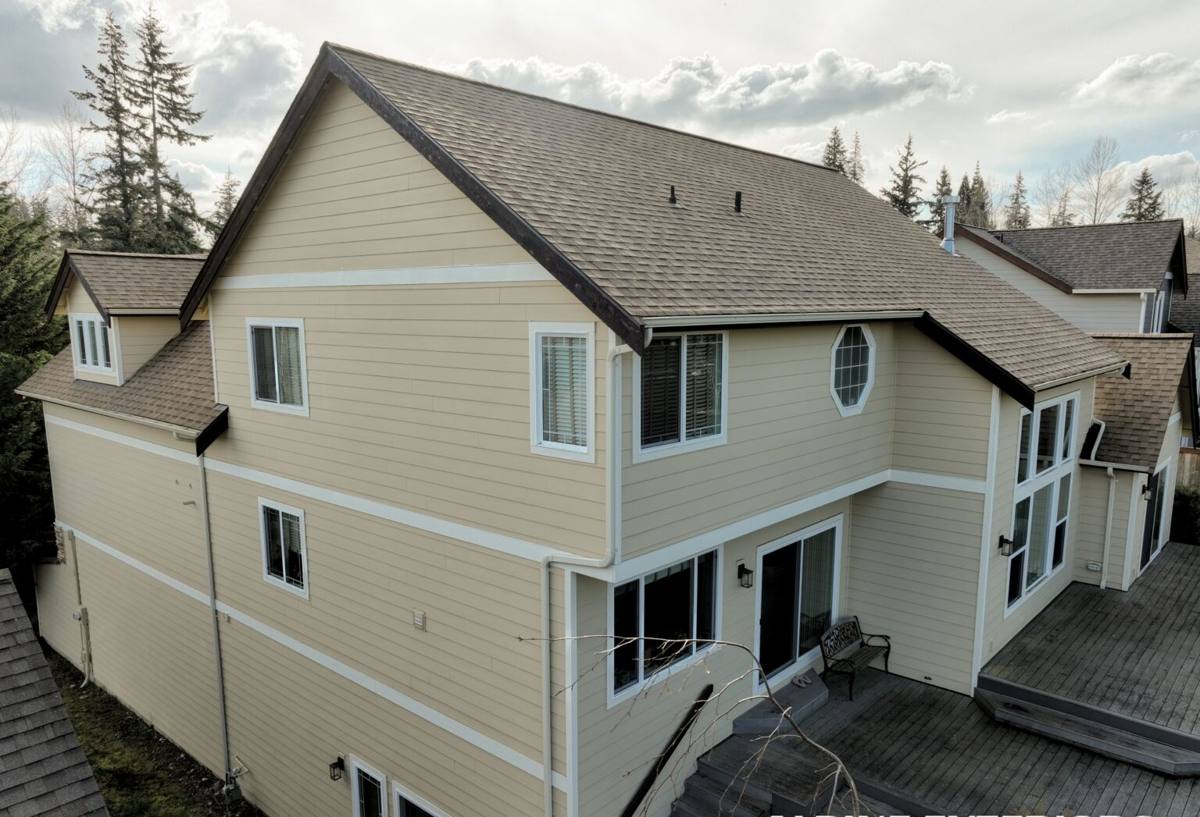
What Pinellas County Climate Actually Does to a Deck
It helps to understand the specific stresses a deck faces here, because they're different from what a deck in a drier or cooler climate has to deal with.
UV Exposure
Florida sun is relentless almost year-round. Untreated or lower-grade decking materials fade, chalk, and become brittle under that kind of constant exposure. Better composite boards use a capstock layer specifically formulated to resist UV degradation, which is why board selection matters as much as the fact that it's "composite" at all.
Salt Air and Humidity
Largo isn't directly oceanfront, but its proximity to Tampa Bay and the Gulf means salt-laden moisture in the air is a constant, low-grade corrosive force. This is hardest on metal fasteners, hardware, and any exposed hidden-fastener clips. Combined with Florida's humidity, it also creates ideal conditions for mold and mildew growth on any surface that doesn't drain and dry quickly.
Wind-Driven Rain and Hurricane-Force Winds
Storm season brings rain that doesn't just fall — it drives sideways under railings, into board gaps, and against the house where the deck ties in. Hurricane-force wind events also put real uplift and racking stress on the ledger board connection and the substructure. A deck that looks fine on the surface can still have a compromised connection to the home if that ledger flashing and fastening wasn't done correctly.
Composite Decking Compared to Other Materials for This Climate
Homeowners in Largo typically compare composite against pressure-treated lumber, tropical hardwoods, and PVC. Each has real trade-offs — we'd rather walk you through them honestly than oversell one option.
| Material | UV/Fade Resistance | Moisture Behavior | Maintenance | Typical Lifespan Locally |
|---|---|---|---|---|
| Pressure-treated lumber | Fades and grays quickly | Absorbs water, prone to warping/cupping | Annual sealing/staining | 8-12 years |
| Tropical hardwood | Fades without regular oiling | Moderate — better than PT lumber | Regular oiling, sanding | 12-20 years with upkeep |
| Composite decking | Strong with capstock boards | Doesn't absorb, won't rot | Occasional cleaning | 25+ years |
| PVC decking | Very strong | Fully impervious to moisture | Occasional cleaning | 25-30+ years |
We install composite most often on Largo projects because it hits the balance homeowners here actually want: a real wood-look appearance, no rot risk, and a maintenance schedule that isn't a second job. PVC has its place for very high-moisture or full-shade situations, and we'll say so when it's the better fit — we're not going to push composite where it isn't the right call.
What a Correct Composite Deck Installation Involves
The board itself is only part of the story. Most composite deck failures we get called to look at in this area trace back to installation shortcuts, not the decking material. A correct install includes:
Substructure and Framing
Composite boards are heavier than wood and behave differently under load, which means joist spacing and blocking need to match the manufacturer's engineering specs — not generic lumber framing rules. In Pinellas County's wind environment, we also pay close attention to hurricane clips and structural connectors at every joist-to-beam and beam-to-post connection.
Ledger Board Flashing
Where the deck ties into the house is the single most common point of hidden water damage. Proper flashing — installed correctly against your siding and sealed to shed wind-driven rain rather than trap it — is non-negotiable. This is the connection point that hurricane winds stress the hardest.
Fastening and Hardware
Standard fasteners corrode faster in salt air. We use hardware rated for coastal exposure, and where hidden fastener systems are used, we make sure the clips are compatible with the specific board profile — mismatched clip systems are a common cause of board movement over time.
Ventilation Underneath
Composite doesn't rot, but the framing underneath it still can if airflow is blocked. Proper joist spacing, skirting with vents, and grading underneath the deck keep humidity from pooling in the substructure — a detail that matters more here than in drier climates.
Our Process for a Largo Composite Deck Project
- On-site assessment: We look at your home's existing ledger connection, grading, drainage, and sun/shade exposure to understand what the deck will actually face.
- Material and layout discussion: We walk through board options, color, and layout in plain terms — including honest trade-offs, not just upsells.
- Permitting: Deck work in Pinellas County typically requires permitting and inspection; we handle that process so it isn't on you.
- Structural build-out: Framing, ledger flashing, and structural connections go in first, built to the wind and moisture conditions specific to this area.
- Decking and railing installation: Boards, fascia, and railing go on last, with attention to fastening patterns and expansion gaps appropriate to Florida's temperature swings.
- Final walkthrough: We go over the finished deck with you, including what maintenance actually looks like and what to check after major storms.
What Affects the Cost of a Composite Deck
Every deck is different, but the same handful of factors drive most of the cost variation we see on projects in this area.
| Factor | Why It Matters |
|---|---|
| Deck size and shape | Square footage and complexity (angles, multiple levels) directly affect board and labor cost |
| Board tier and brand | Capstock quality and warranty coverage vary significantly between entry-level and premium composite lines |
| Substructure condition | Replacing or reinforcing existing framing versus building new adds cost but is often necessary for a correct install |
| Railing and fascia choices | Composite/aluminum railing systems cost more than basic options but hold up better in salt air |
| Height and access | Elevated decks or difficult site access increase labor time |
Rather than quote a number that doesn't mean much without seeing your specific setup, we'd rather walk your property and give you a real range based on what your home actually needs.
Maintaining a Composite Deck in a Florida Climate
Composite decking is low-maintenance, not no-maintenance. A few simple habits go a long way toward getting the full lifespan out of the material in this climate:
- Rinse the deck surface periodically to clear salt residue, pollen, and organic debris before it builds up
- Clean mildew spots with a soft-bristle brush and a manufacturer-approved cleaner rather than a pressure washer on high setting
- Check railing hardware and fasteners once or twice a year for corrosion, especially after storm season
- Keep gutters and downspouts near the deck clear so runoff doesn't pool against the ledger connection
- Inspect underneath the deck occasionally for debris blocking ventilation gaps
- After any major wind event, do a quick visual check of railing posts and the ledger area for movement
Why It Matters to Hire a Crew That Already Works in Largo
A lot of deck problems we see in this area didn't come from a bad product — they came from an installer who built for a generic climate instead of this one. Framing that's technically fine in a dry, low-wind region can be undersized for Pinellas County's wind loads. A ledger connection that would be adequate somewhere else can fail here under wind-driven rain if the flashing detail wasn't done right the first time.
Working regularly in Largo and the surrounding Oldsmar area means we're not guessing at what the local permitting office expects, what the wind exposure category calls for, or how salt air changes hardware selection. We're building decks that have to survive the same storm seasons your roof and siding do, and we treat the structural details with that in mind — not as an afterthought to the visible finish.
Get a Straight Answer on Your Deck Project
If you're weighing composite decking for a home in Largo, we're happy to come take a look, talk through what your specific site needs, and give you a straightforward estimate — no pressure, no upsell script. Fill out the form below and we'll set up a time to walk the property with you.