 Oldsmar Siding
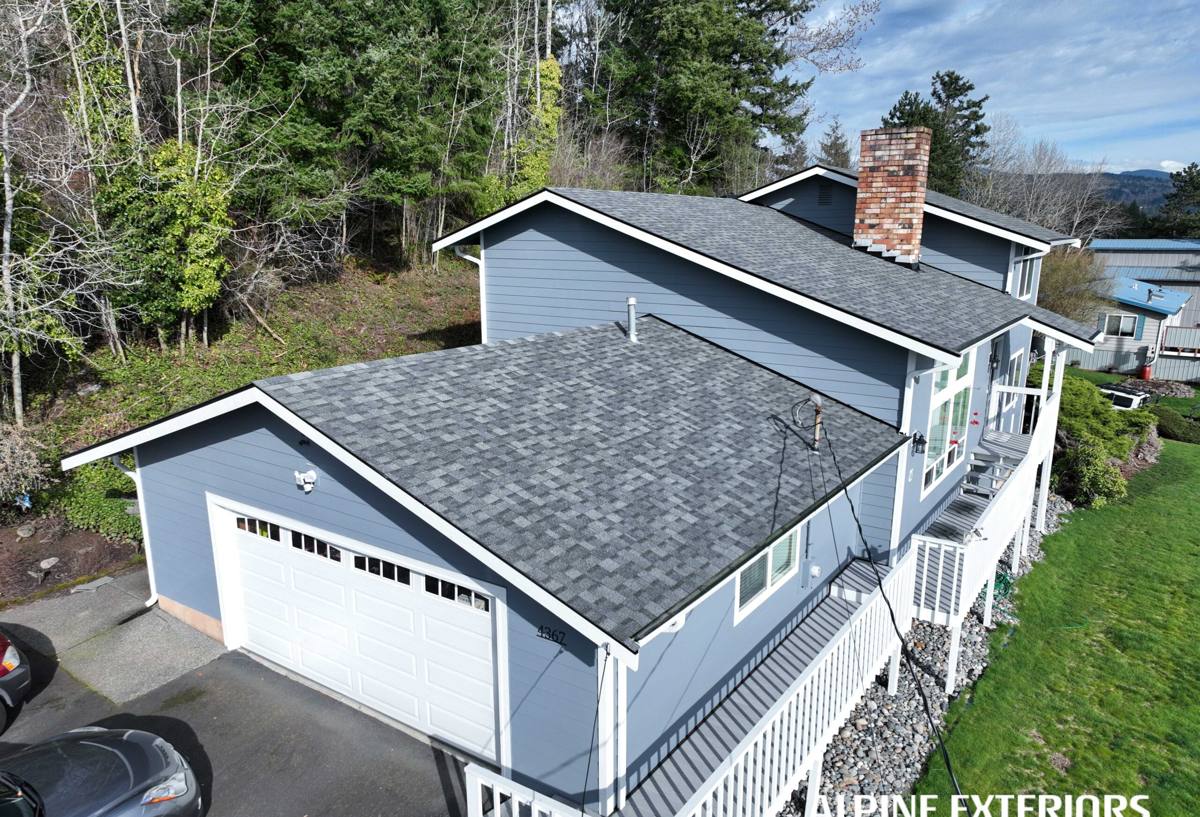
 Asphalt Shingle Roofing in Countryside, Oldsmar
Countryside is one of the older established residential pockets in and around Oldsmar, and a lot of the roofs here are original construction or are on their second or third roofing cycle. That matters, because a roof that was built to an older code — or installed by a crew in a hurry during a busy storm season — often has gaps that don't show up until wind, rain, or sun finds them. Asphalt shingle roofing is still the most practical, cost-effective option for the vast majority of homes in this neighborhood, but only when it's specified and installed correctly for Pinellas County conditions.
This page is specifically about asphalt shingle roofing for Countryside homes — not a general roofing overview. If you're comparing materials or want the broader picture, that's a separate conversation. Here we're talking about what a correct shingle roof looks like on a Countryside house, why it fails when it's done wrong, and how we approach the job when we're on your property.
What This Climate Actually Does to a Roof
Oldsmar sits close enough to Tampa Bay and the Gulf that every roof here is dealing with a combination of stresses most of the country doesn't see together in one place: hurricane-force wind gusts during named storms and even strong summer squalls, intense year-round UV exposure that never really lets up, wind-driven rain that gets pushed sideways under shingle edges and flashing, and a steady dose of salt air that accelerates corrosion on anything metal.
None of these are things you can design around with a single premium shingle. They're things you address through material selection, fastening pattern, underlayment choice, and flashing detail, all working together. A shingle rated for high wind speeds that's nailed with the wrong pattern, or laid over old, brittle underlayment, will still fail early — the rating on the shingle wrapper doesn't matter if the installation doesn't back it up.
The Four Stress Points We Watch For
- Wind uplift at eaves, rakes, and ridge lines, where suction forces are highest during a storm
- UV degradation of shingle granules and asphalt oils, which shows up as premature brittleness and granule loss
- Wind-driven rain intrusion at every penetration — vents, chimneys, skylights, and wall-to-roof transitions
- Salt-air corrosion of exposed fasteners, drip edge, and flashing metal over time
What a Correct Shingle Roof Involves
A shingle roof is a system, not a single product. The shingle itself gets most of the attention because it's what you see, but the layers underneath and the details around penetrations are what actually determine whether the roof holds up through a tropical storm season or starts leaking after the first bad blow.
Underlayment
In this climate we default to synthetic underlayment or a self-adhering underlayment in vulnerable zones like valleys, eaves, and around penetrations, rather than relying on old-style felt alone. Self-adhering membrane at the eaves and in valleys gives you a secondary water barrier if wind-driven rain gets past the shingles themselves, which happens more often than most homeowners realize during a sideways summer storm.
Fastening and Wind Rating
Shingles are rated for wind speed based on both the product and the installation method — nail count, nail placement, and whether the manufacturer's sealant strip has properly activated. We follow the fastening pattern that matches the shingle's rated wind speed for this area, not a generic minimum. Skipping nails or using too few per shingle is one of the most common shortcuts that shows up as lifted or missing shingles after a storm.
Flashing and Penetrations
Every place metal meets a roof plane — chimneys, plumbing vents, skylights, sidewalls — is a place water can find a way in if the flashing isn't formed and lapped correctly. We use corrosion-resistant flashing material given the salt air exposure in this area, and we take the time to properly lap and seal each transition rather than relying on caulk to cover gaps in the flashing itself.
Ventilation
Attic ventilation affects both shingle life and energy costs. A roof deck that can't breathe traps heat, which accelerates shingle aging from underneath, and traps moisture, which can lead to deck rot you won't see until it's a structural problem. We check intake and exhaust balance as part of any full roof replacement, not as an afterthought.
How We Approach a Countryside Roofing Project
- On-site inspection. We walk the roof and the attic, not just look from the ground. Deck condition, existing ventilation, and flashing condition all get checked before we recommend anything.
- Honest scope. If a repair will genuinely hold, we say so. If the deck or underlayment condition means a repair is a short-term patch, we explain why and what a full replacement actually buys you.
- Material selection matched to exposure. Shingle line, underlayment type, and fastening pattern are chosen based on wind exposure and sun exposure specific to your roof's orientation and slope, not a one-size answer.
- Tear-off and deck check. We remove old roofing down to the deck and inspect for soft spots or rot before anything new goes down — covering up a bad deck is how roofs fail early.
- Installation to code and manufacturer spec. Correct nail pattern, correct underlayment layering, correct flashing detail at every penetration.
- Final walkthrough. We go over what was done, what the warranty covers, and what basic maintenance looks like going forward.
Repair, Recover, or Replace?
Not every roof issue means a full replacement, but not every issue should be patched either. Here's how we generally think through it.
| Situation | Typical Approach | Why |
|---|---|---|
| Isolated wind damage, roof under 10-12 years old, deck sound | Targeted repair | Localized damage on a roof with life left doesn't justify full replacement cost |
| Widespread granule loss, curling shingles, roof past 18-20 years | Full replacement | The shingle field is at end of life; patching won't stop the aging process |
| Soft spots or staining in attic deck boards | Full replacement with deck repair | Compromised deck can't be safely covered over — it's a structural issue, not a surface one |
| Multiple past layers already on the roof | Full tear-off and replacement | Florida building code generally limits re-roofing over existing layers; it also hides deck problems |
| Recurring leaks at the same penetration | Flashing repair or replacement | Usually a detail failure, not a shingle-field failure — fixing the flashing solves it |
Why a Crew That Already Works Countryside Matters
Roofing crews that only occasionally work in this part of Pinellas County tend to default to whatever fastening pattern and material spec they use everywhere else. A crew that regularly works Countryside and the surrounding Oldsmar area already knows which details matter most here — the wind exposure on north-versus-south facing slopes, how quickly UV breaks down lower-grade shingles in full Florida sun, and where salt air corrosion tends to show up first on older homes in this pocket. That local familiarity shows up in fewer callbacks and a roof that performs the way it's supposed to when the next storm season comes through.
It also matters for permitting and inspection. Pinellas County and the City of Oldsmar have their own permitting requirements for roofing work, and a crew that pulls permits here regularly moves through that process without it becoming a delay on your project.
Simple Maintenance That Extends Roof Life
A correctly installed shingle roof still benefits from basic upkeep, especially in this climate.
- Keep gutters clear so water isn't backing up under the shingle edge
- Trim overhanging branches that drop debris and hold moisture against the roof surface
- Have the roof looked at after any major named storm, even if you don't see obvious damage from the ground
- Watch for granules collecting in gutters or at downspouts, which signals shingle wear
- Get a professional inspection every few years rather than waiting for a visible leak
What to Ask Before Hiring Anyone for This Job
Whether you hire us or someone else, these are reasonable questions for any roofing contractor working in this area:
- What wind speed is the shingle and installation method rated for, and does that match this area's requirements?
- What underlayment will be used, and where will self-adhering membrane be applied?
- Will the deck be inspected and repaired if needed before new shingles go down?
- What does the workmanship warranty cover, separate from the manufacturer's shingle warranty?
- Are they pulling the required local permit, and who handles the inspection?
If you're in Countryside or elsewhere around Oldsmar and want a straight answer on whether your roof needs a repair or a full replacement, we're happy to take a look. Reach out for a free, no-pressure estimate using the form below.