 Oldsmar Siding
 Why Roofs in Countryside Wear Out Faster Than the National Average
Countryside sits in the Tampa Bay stretch of Pinellas County, close enough to the Gulf that salt-laden air, near-constant summer humidity, and the threat of hurricane-force wind are simply part of owning a home here. A roof that might last 25 to 30 years in a mild inland climate often shows real wear a decade sooner in this area. That's not a knock on any particular product — it's just what happens when a roof spends every summer afternoon absorbing intense UV, every summer evening getting hit with wind-driven rain, and every year breathing in a little more salt air off the coast.
If you own a home in or around Countryside, understanding what your roof is actually up against helps you make a smarter decision about when to repair versus when to replace, and what to insist on when a replacement happens.
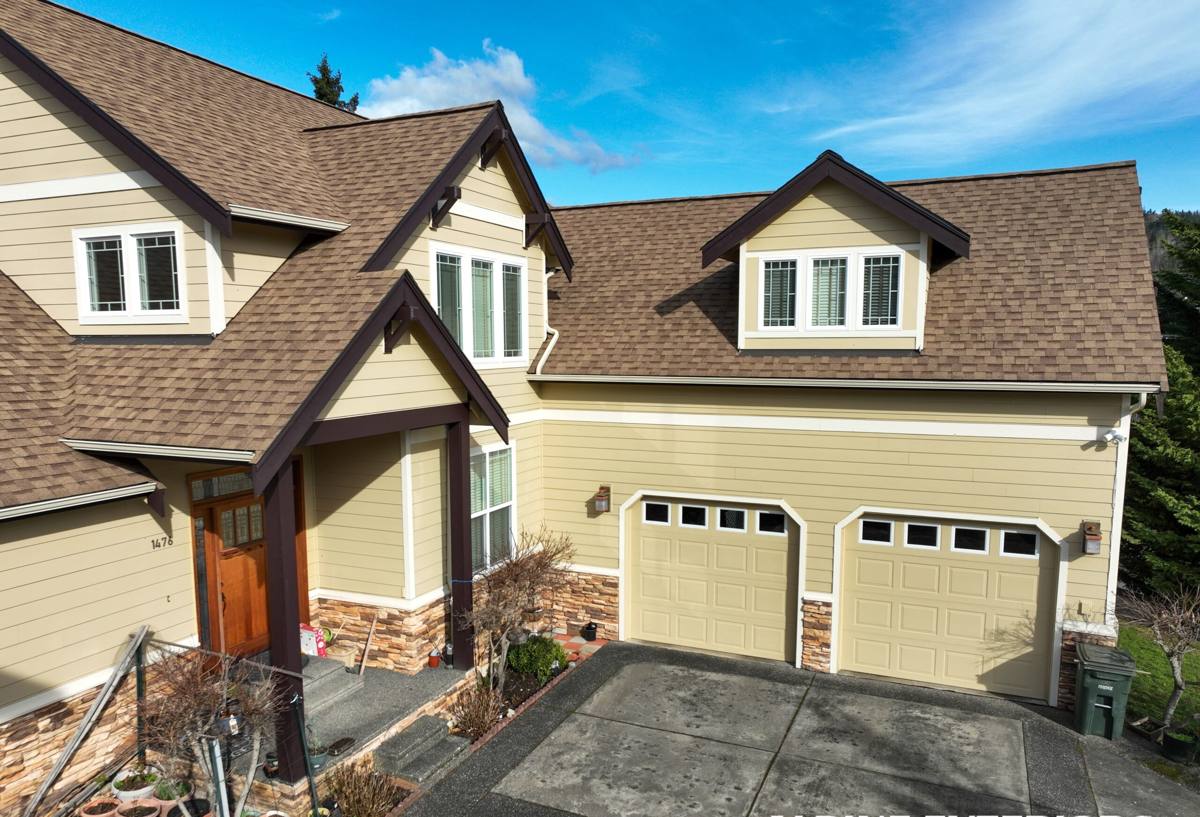
The Four Things Actually Damaging Your Roof
Wind
Tropical storms and hurricanes moving through the Gulf don't need to make a direct hit to cause damage. Sustained straight-line wind and gusts during a passing system can lift shingle edges, work fasteners loose, and stress flashing at every roof penetration — vents, chimneys, skylights. Once wind gets under one shingle tab, it can peel back several more before you ever notice a problem from the ground.
UV Exposure
Florida gets more sun hours per year than almost anywhere else in the country. That constant UV load bakes the oils out of asphalt shingles over time, making them brittle, and it fades and chalks tile and metal finishes. A roof that looks fine from the driveway can already be losing flexibility and granule coverage where it matters most.
Wind-Driven Rain
Regular rain falling straight down is one thing. Rain being pushed sideways at 40-60 mph during a storm is another — it finds any weak point in flashing, underlayment laps, or nail patterns that a lighter climate would never expose. This is usually where leaks start, not from age alone but from wind-driven water finding a gap.
Salt Air
Even well inland from the immediate coastline, salt-bearing humidity corrodes exposed metal — nails, flashing, vent stacks, and fasteners — faster than it would in a dry climate. Corroded fasteners lose holding power, which is exactly what you don't want when the next round of high wind comes through.
Signs a Countryside Roof Has Reached Replacement Territory
Repairs make sense for isolated damage on an otherwise sound roof. Replacement makes sense when the roof as a system is failing. Here's how to tell which situation you're in:
- Shingles that are curling, cupping, or losing granules across large sections rather than one spot
- More than one active leak, or a leak that keeps returning after repair in a new location
- Visible sagging anywhere on the roof deck — this points to structural moisture damage, not a surface issue
- Missing or cracked tiles, or exposed underlayment showing through gaps
- Flashing that's rusted, lifted, or separating from the roof plane around chimneys and vents
- A roof at or past 18-20 years old (asphalt) with storm damage on top of normal wear
- Rising energy bills with no other explanation — often a sign of failing attic ventilation or insulation exposed by roof deterioration
If you're only seeing one or two of these, a repair may buy you more time. If several apply at once, patching individual spots usually just delays a full replacement while spending money that won't count toward the new roof.
Roofing Materials That Actually Hold Up Here
There's no single "best" material for every home — it depends on your roof's pitch, your budget, and how long you want to go before thinking about this again. Here's an honest comparison of what we typically install in this climate:
| Material | Typical Lifespan Here | Wind Performance | Maintenance |
|---|---|---|---|
| Architectural asphalt shingle | 18-25 years | Good, when rated and installed for high-wind zones | Low — periodic inspection after storms |
| Standing seam metal | 40-50+ years | Excellent — among the best wind uplift resistance available | Very low |
| Concrete or clay tile | 40-50+ years (underlayment often needs replacing sooner) | Very good when properly fastened, but individual tiles can crack from impact | Moderate — cracked tiles need prompt replacement |
| 3-tab asphalt shingle | 12-18 years | Fair — generally not our recommendation for this wind exposure | Low, but shorter service life |
We steer most Countryside homeowners toward architectural shingles or metal for the best combination of wind performance and value. Tile is a strong option too, especially on homes where it's already the architectural style, but it's worth knowing upfront that the underlayment beneath tile typically needs attention before the tile itself does — that's a maintenance timeline worth planning for, not a defect in the material.
What a Correct Roof Replacement Actually Involves
A roof replacement is more than swapping old shingles for new ones. Done right, it's a full system rebuild:
Complete Tear-Off
We remove the existing roofing material down to the deck rather than layering new material over old. Layering hides problems and voids most manufacturer warranties — it's not a shortcut we take.
Deck Inspection and Repair
Once the deck is exposed, we check every sheet of plywood or OSB for soft spots, delamination, or water staining. Any compromised decking gets replaced before anything new goes down — installing new roofing over a damaged deck just guarantees a future failure.
Underlayment Upgrade
This is the roof's real waterproofing layer, and in a wind-driven-rain climate it matters as much as the visible roofing material. We use synthetic or self-adhering underlayment rated for high-wind, high-moisture conditions, with proper overlaps at every seam.
Flashing at Every Penetration
Chimneys, vent stacks, skylights, and wall-to-roof transitions are where most leaks originate. New flashing gets installed at each one — reusing old, corroded flashing to save time is where a lot of roof problems trace back to.
Fastening for Wind Uplift
Florida Building Code sets nailing patterns and fastener requirements based on your home's wind zone. We follow the code requirement for your specific address rather than a generic minimum, since that's what actually determines whether the roof stays intact in the next major wind event.
Attic Ventilation
Proper intake and exhaust ventilation keeps attic heat and moisture from cooking the underside of the new roof and driving up cooling costs. This is often overlooked on a straightforward "reroof" but it's part of doing the job correctly.
Our Roof Replacement Process
- On-site inspection. We evaluate your current roof, attic ventilation, and deck condition, and take measurements.
- Written estimate. You get an itemized proposal — material options, scope of work, and a straightforward price, no vague allowances.
- Permitting. We pull the required permit through the appropriate local building department before work begins. This isn't optional in Florida, and it protects you.
- Material delivery and site prep. Landscaping and property are protected before tear-off starts.
- Tear-off and deck repair. Old material comes off, the deck is inspected, and any needed repairs happen before new material goes down.
- Underlayment, flashing, and roofing installation. Installed to code and manufacturer specification for your home's wind zone.
- Cleanup and magnetic sweep. Debris and stray fasteners are cleared from the property and yard.
- Final walkthrough and inspection. We review the finished roof with you, and the local building department signs off before the job closes out.
Permits, Wind Mitigation, and Your Insurance
Every roof replacement in Pinellas County requires a permit, and skipping that step — even if a contractor offers to "save you the hassle" — can cause real problems later, from failed home sales to denied insurance claims. A permitted, inspected roof is documentation that the work meets Florida Building Code wind requirements for your zone.
It's also worth scheduling a wind mitigation inspection after a new roof goes on. Insurers in Florida offer premium credits for features like a code-compliant roof deck attachment, secondary water barrier, and impact-rated or wind-rated roof covering. Many homeowners see a meaningful reduction in windstorm insurance costs after a properly documented replacement — it's worth asking your insurance agent what your policy qualifies for once the new roof is in place.
What Affects the Cost of a Roof Replacement
Every roof is different, so we don't quote sight unseen — but these are the factors that move the price up or down:
| Factor | Effect on Cost |
|---|---|
| Roof size and complexity (valleys, hips, dormers) | More cuts and flashing points increase labor and material |
| Number of existing layers to remove | Multiple tear-off layers add disposal and labor time |
| Material choice | Architectural shingle, metal, and tile each carry different material and install costs |
| Deck condition | Rotted or delaminated decking found during tear-off adds repair cost |
| Roof pitch and access | Steeper or harder-to-access roofs require more safety setup and time |
| Ventilation upgrades | Adding intake/exhaust vents where none exist is a modest add, not a major one |
Full replacements in this area commonly land anywhere from the high single digits into the low-to-mid five figures depending on those factors — a wide range on purpose, because a straightforward architectural shingle job and a complex tile replacement aren't comparable jobs. A written, itemized estimate after an in-person inspection is the only way to get a number you can actually plan around.
Why It Matters to Hire a Crew That Already Works This Area
A roofing crew that regularly works Countryside and the greater Oldsmar area already knows the Pinellas County permitting process, the wind zone requirements that apply to your address, and what kind of storm exposure your roof is realistically built to handle. That familiarity shows up in faster permitting, fewer surprises during inspection, and a crew that isn't learning the local code on your project.
It also matters after the sale. Storms come through this part of Florida every season, and having a local contractor who stands behind the work — and who you can actually reach — is worth more than a lower bid from someone working three counties away.
Protecting Your New Roof Going Forward
A correctly installed roof still benefits from basic upkeep. A short annual habit protects the investment:
- Have the roof visually inspected after any named storm or major wind event
- Keep gutters clear so water isn't backing up under roof edges
- Trim back overhanging branches that can abrade shingles or drop debris in wind
- Watch for granule buildup in gutters, which can signal accelerated shingle wear
- Address any small leak immediately rather than waiting for it to become a bigger repair
- Keep a copy of your permit, inspection, and manufacturer warranty documents together for insurance purposes
If you're weighing a repair against a full replacement, or just want a straight answer about what condition your roof is really in, we're glad to take a look. Reach out for a free, no-pressure estimate using the form below — we'll walk the roof, tell you what we actually see, and give you a written proposal you can take your time with.