 Oldsmar Siding
 Deck Building in Countryside: Built for This Part of Pinellas County
Countryside sits inland enough to feel like a quiet residential pocket, but it's still Pinellas County — which means every deck built here answers to the same coastal-adjacent climate as the rest of the Tampa Bay area. Hurricane-force wind events, near-constant UV exposure, wind-driven rain, and salt-laden air all move through this area even though you're not standing on the beach. A deck that isn't built with that in mind will show it within a few seasons: fasteners bleed rust, boards cup and crack, and railings loosen at the posts. A deck built correctly for Countryside's conditions holds its lines and its finish for years, not months.
This page is specifically about deck building for homes in and around Countryside — not a generic overview. We'll walk through what the climate does to a deck here, what a correct build actually involves, how our process works from first call to final walkthrough, and why it matters to hire a crew that already works this part of Oldsmar.
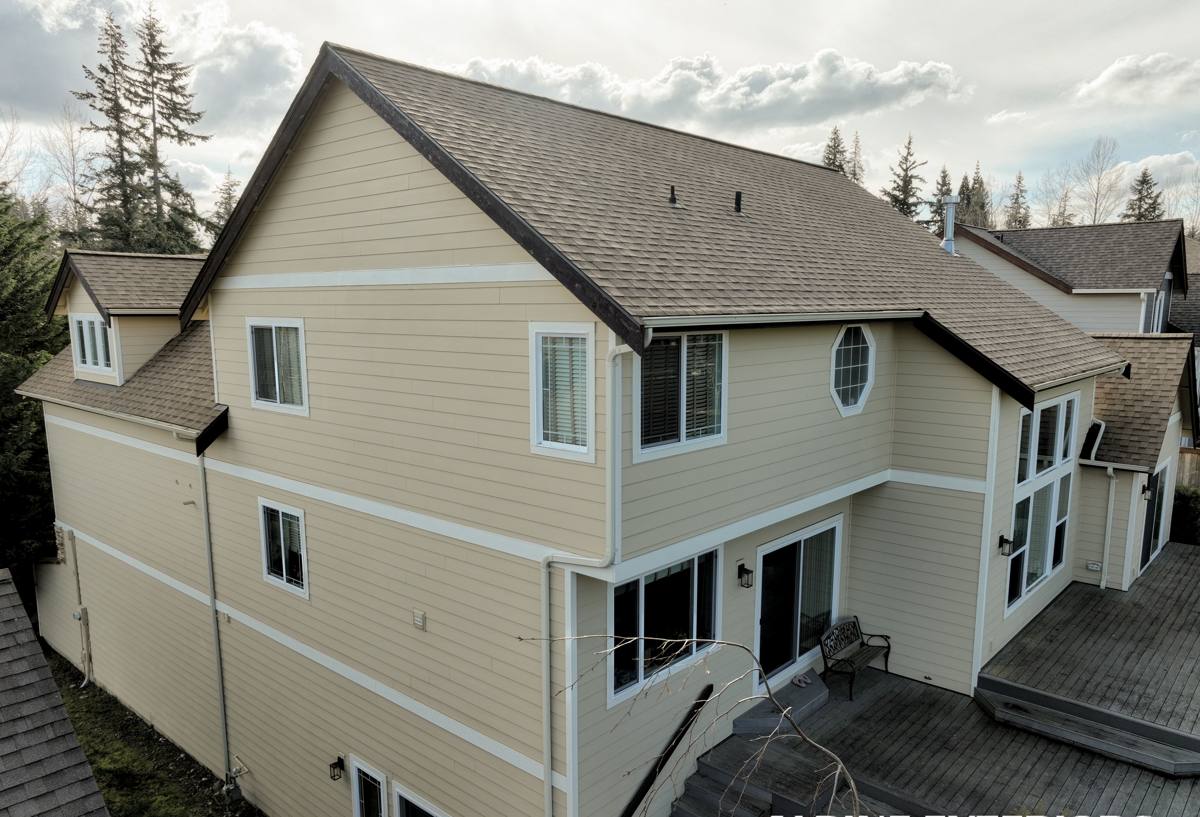
What Countryside's Climate Actually Does to a Deck
UV and Heat
Florida sun is relentless on horizontal surfaces. Decking boards face almost year-round direct exposure, and that UV load breaks down surface fibers on wood, fades color on composite, and dries out sealants faster than in most of the country. Boards that aren't rated or finished for high-UV exposure will gray, splinter, or chalk noticeably faster here than the same product installed further north.
Wind-Driven Rain
Rain in this region rarely falls straight down. Wind-driven rain gets pushed sideways and underneath structures, which means drainage and gapping between boards matter more than they would in a calmer climate. A deck built with tight, non-draining joints traps moisture against the framing below, which is where rot and hidden fastener corrosion start.
Salt Air
Countryside isn't beachfront, but Pinellas County as a whole sits in a salt-air corridor carried inland by onshore winds. Salt accelerates corrosion in any fastener, bracket, or hanger that isn't rated for it. This is one of the most common failure points we see on decks that were built with standard hardware instead of coastal-rated hardware — the wood can look fine while the connections underneath are already compromised.
Hurricane-Force Wind
Wind uplift and lateral load are real structural concerns for any deck attached to a house in this region. Ledger attachment, post anchoring, and railing post connections all need to be sized and fastened for wind loads that a lot of standard deck plans from other parts of the country simply don't account for.
What a Correct Deck Build Involves Here
A deck that's going to hold up in Countryside's conditions isn't just about picking a nice-looking board. It's a stack of decisions, each one addressing a specific climate stressor:
- Footings sized for wind uplift, not just vertical load — this region's wind events pull up on a structure as much as they push down on it.
- Ledger board flashing and attachment done correctly at the house connection, since this is the single most common failure point on decks that fail during a storm.
- Corrosion-resistant fasteners and hardware — stainless steel or coated hardware rated for coastal exposure, not standard interior-grade galvanized.
- Proper board gapping so wind-driven rain drains through instead of pooling on the surface or wicking into end grain.
- Railing posts anchored through the frame, not just surface-mounted, so they hold under lateral load.
- Decking material matched to sun exposure — some composites and wood species handle direct, high-UV Florida sun better than others.
Skipping any one of these doesn't usually show up as an obvious problem on day one. It shows up two or three years later as soft framing, rust streaks bleeding through the decking, or a railing that wiggles more than it should.
Choosing Materials for a Countryside Deck
There's no single "best" decking material for every homeowner — it depends on budget, maintenance tolerance, and how much direct sun the deck will see. Here's how the common options actually compare under this region's conditions:
| Material | UV/Sun Behavior | Salt Air Resistance | Maintenance |
|---|---|---|---|
| Pressure-treated wood | Grays and can splinter without regular sealing | Fine if fasteners/hardware are corrosion-rated | Sealing/staining every 1-2 years |
| Composite decking | Fade-resistant capped products hold color well; uncapped boards fade faster | Good; boards themselves don't corrode | Periodic cleaning, no sealing needed |
| PVC decking | Very stable in high UV, minimal fading | Excellent | Lowest; occasional washing |
| Tropical hardwoods | Naturally dense, handles sun well if oiled periodically | Good, but hardware still needs to be corrosion-rated | Oiling every 1-2 years to maintain color |
The material choice matters, but it's only half the equation — the fasteners, hangers, and brackets underneath any of these decking options need to be rated for this climate regardless of what's on top.
Permits, Codes, and Countryside's Neighborhood Character
Deck work in Oldsmar goes through the same permitting process as any other structural addition — plans reviewed against current wind load and structural requirements, inspections at key stages of the build. In Countryside specifically, homes often sit close enough together that setback and property-line considerations come into play, and some homes may fall under an HOA with its own guidelines on deck size, height, or railing style. We handle the permit process as part of the job and factor in any HOA review time when we set a project timeline, so there are no surprises mid-build.
Our Process, Start to Finish
- Free on-site consultation. We look at the house's ledger connection point, sun exposure, drainage path, and how the deck will be used before recommending anything.
- Design and material selection. We walk through material options against your budget and maintenance preference, with straight talk about trade-offs — no upselling a product that doesn't fit your situation.
- Permitting. We prepare and submit what the job requires and handle inspection scheduling.
- Framing and structural work. Footings, ledger attachment, and framing go in first, built to hold up to this region's wind loads — this is the part of the job that matters most and shows the least once decking is on.
- Decking, railing, and finish work. Boards, railings, and any stairs or trim go in with attention to gapping and fastener placement.
- Final walkthrough. We go over the deck with you, including basic maintenance guidance for the material you chose.
Cost Factors Homeowners Should Understand
We don't publish fixed prices because every deck is different, but the main cost drivers are consistent from job to job:
| Factor | Why It Affects Cost |
|---|---|
| Size and footprint | More square footage means more footings, framing, and decking material |
| Height off grade | Taller decks need more substantial post and railing structure |
| Material choice | PVC and premium composite cost more upfront than pressure-treated wood |
| Attachment type | Ledger-attached decks vs. free-standing structures have different framing requirements |
| Site access | Tight side yards or obstructed access can add labor time |
| Railing and stair complexity | Custom railing styles and multi-level stairs add build time |
We give an honest, itemized estimate up front so you know what's driving the number, rather than a flat quote with no explanation behind it.
Maintaining a Deck in This Climate
Whatever material you choose, a few habits go a long way toward getting the full lifespan out of it in this climate:
- Rinse off salt residue and debris periodically, especially after storms with onshore wind.
- Check fastener heads and brackets once or twice a year for early rust staining.
- Reseal or oil wood decking on the schedule appropriate to that species — don't wait until it's already grayed and dry.
- Keep gutters and downspouts clear so runoff isn't dumping extra water onto the deck surface or framing below.
- Trim back vegetation that keeps the deck surface shaded and damp longer than it should be.
Why a Local Crew Matters for This Job
A deck contractor who already works in Countryside and the rest of Oldsmar knows the permitting process for this jurisdiction, has a working sense of typical lot layouts and HOA expectations in this neighborhood, and — most importantly — has already seen what this specific climate does to decks that were built without it in mind. That's the difference between a crew following a generic deck plan and one building specifically for hurricane-force wind, UV load, wind-driven rain, and salt air, all of which show up here whether or not you're near the water.
If you're planning a new deck or replacing one that's showing its age, we're happy to come take a look and put together a straightforward, no-pressure estimate — just fill out the form below to get started.