 Oldsmar Siding
 Decks in Tampa Bay Golf and Country Club Take a Different Kind of Beating
If you own a home in Tampa Bay Golf and Country Club, you already know your deck or lanai extension isn't just a place to grill on a Saturday. For a lot of homeowners here, it's the view of the course, the spot where you actually spend your evenings, and one of the first things a visitor sees when they walk around back. It's also one of the hardest-working structures on the property. An open deck backing up to a fairway sits in full sun for most of the day, catches wind with nothing to break it, and takes on rain that blows in sideways during a summer storm. That combination wears out decking, fasteners, and framing faster than most homeowners expect.
We replace decks for homeowners throughout Oldsmar and the surrounding Pinellas County area, and the ones in golf course communities like this one tend to show a specific pattern of wear — sun-bleached and cupped boards on the side that gets the most afternoon exposure, corroded fasteners near the ground, and railing posts that have loosened at the base long before the decking itself looks obviously bad. Knowing what to look for, and what to build back with, makes the difference between a deck that lasts and one you're dealing with again in five years.
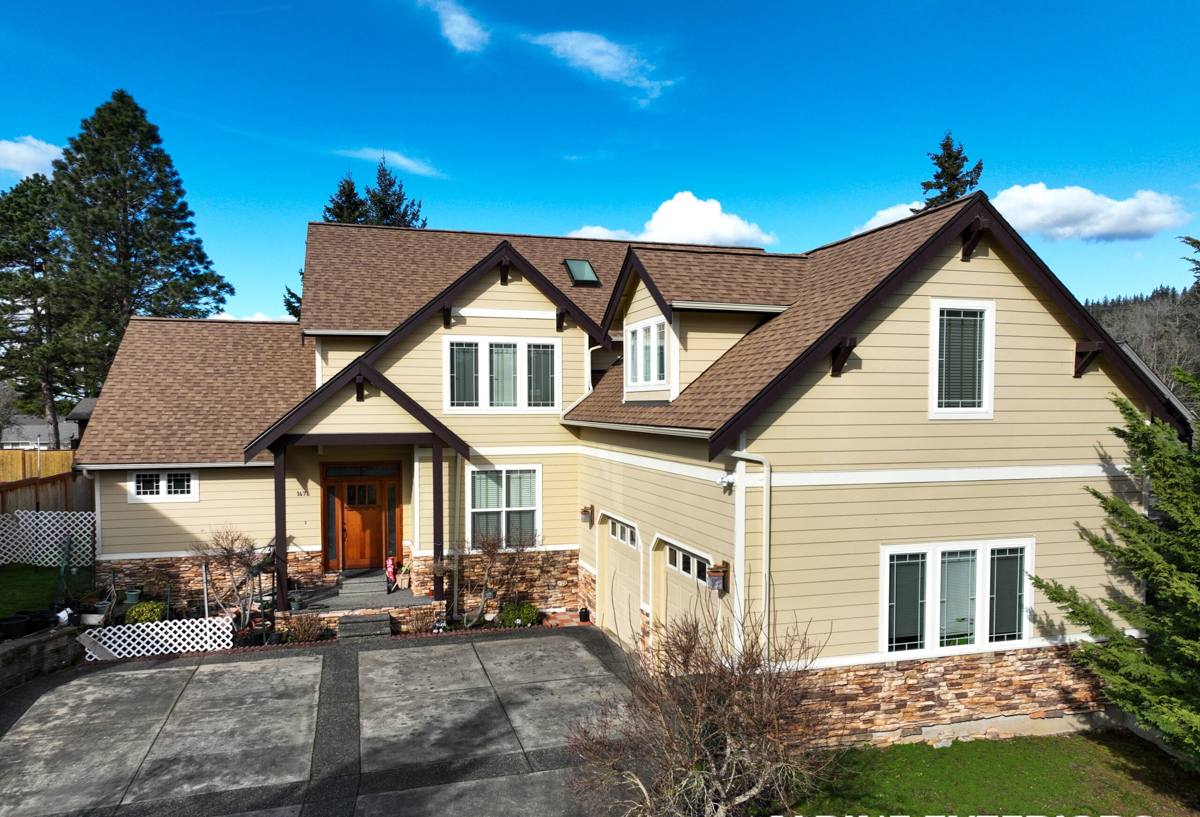
What Tampa Bay's Climate Actually Does to a Deck
Intense, Year-Round UV
Florida sun doesn't take a season off. Wood decking dries out, splits, and grays under constant UV exposure, and even quality composite boards can fade or chalk over time if they're not rated for high-UV climates. On an open deck with a golf course view — where there's rarely a covered roofline shading the whole surface — that exposure is constant, not occasional.
Wind-Driven Rain and Humidity
Afternoon storms here don't just fall straight down; wind pushes rain under railings, into ledger connections, and between boards that aren't properly spaced. Combined with Tampa Bay's humidity, that moisture doesn't dry out quickly. It's a major reason we see rot starting at joist ends and ledger boards on decks that still look fine on the surface.
Salt Air and Corrosion
Oldsmar sits on Tampa Bay, and even a few miles inland, salt-laden air carries far enough to accelerate corrosion on fasteners, joist hangers, and railing hardware. Standard hardware that might hold up fine in a drier, inland climate can rust and weaken years ahead of schedule here. This is one of the most common reasons a deck that "looks okay" turns out to have real structural problems underneath.
Hurricane-Force Wind Loads
Pinellas County construction has to account for real wind events, not just everyday breezes. A deck's railing posts, guardrail connections, and ledger attachment to the house all need to be built to hold up under sustained high wind — not just look sturdy. This matters even more for homes with an open view across the course, where there's nothing to slow the wind down before it hits the structure.
Repair or Replace? Signs It's Time
Not every aging deck needs a full replacement — sometimes a repair genuinely is the right call. But there's a point where patching individual boards or hardware stops being cost-effective and starts hiding a bigger problem. Here's what tells us a deck has crossed that line:
- Soft, spongy, or spring-back decking in multiple spots, not just one board
- Visible rot or dark staining at the ledger board where the deck meets the house
- Railing posts that wiggle at the base, even slightly
- Rust streaking from fasteners or joist hangers
- Gaps, cupping, or splitting across most of the deck surface rather than isolated boards
- Footings that have shifted, cracked, or settled unevenly
- A deck original to the home that's 15-20+ years old and has never had a structural inspection
If you're seeing two or more of these, it's worth having someone look at the framing underneath, not just the surface boards. A deck can look presentable from a few feet away and still have a ledger connection or joist that's failed structurally — that's not something to guess about.
Choosing the Right Decking Material for This Neighborhood
There's no single "best" decking material — the right choice depends on how much maintenance you want to do, your budget, and how much direct sun and moisture the deck sees. Here's an honest breakdown of what we typically install and what each one means for a home in this climate:
| Material | Upfront Cost | Maintenance | How It Handles This Climate |
|---|---|---|---|
| Pressure-Treated Wood | Lowest | Annual sealing/staining recommended | Affordable and repairable, but needs consistent upkeep to resist UV graying and moisture damage; fasteners must be corrosion-rated |
| Composite Decking | Mid to upper-mid | Low — occasional washing | Resists rot and doesn't need sealing; quality matters — lower-grade composite can fade or absorb heat more in constant sun |
| Capped Composite / PVC | Highest | Very low | Best resistance to moisture, salt air, and UV fading of the common options; higher upfront cost offset by minimal long-term upkeep |
We don't push one material on every homeowner. A wood deck that gets sealed on schedule can serve a family well for years and is easier to repair board-by-board down the road. A capped composite deck costs more up front but is the lowest-maintenance option for a homeowner who doesn't want to think about sealing every year. What we do insist on, regardless of material, is corrosion-resistant fasteners and hardware — that's not optional in a coastal-influenced climate, and it's one of the first places cheaper deck jobs cut corners.
What a Correct Deck Replacement Actually Involves
A deck replacement is more than pulling up old boards and screwing down new ones. Done right, it starts underneath, where you can't see it:
- Full tear-out of the old decking, railing, and any compromised framing
- Structural inspection of ledger board, joists, beams, and footings — anything showing rot or corrosion gets replaced, not patched over
- Proper ledger flashing where the deck attaches to the house, to stop the water intrusion that causes most hidden rot
- Footings checked or upgraded to current load requirements, especially on older decks built to older standards
- Framing rebuilt with corrosion-resistant fasteners and hardware rated for coastal exposure
- New decking installed with correct board spacing for drainage and expansion
- Railing and guardrail posts secured to meet current wind and safety code, not just "look" solid
- Final walkthrough and inspection before we call the job done
Skipping the structural steps to save time is the single biggest reason deck replacements fail early. A new surface over a compromised frame just means the same problems come back in a few years, now hidden under fresh boards.
Permits, Codes, and HOA Considerations in Oldsmar
Deck replacements in Pinellas County generally require a permit, and inspections along the way verify that footings, framing, and railing meet current code — including wind load requirements. This isn't paperwork for its own sake; it's what confirms the structure underneath is actually sound. We handle the permitting process as part of the job so you're not left tracking down inspections yourself.
If your property is in Tampa Bay Golf and Country Club, there may also be community guidelines around materials, colors, or setbacks near the course. We're used to working within neighborhood standards like these and can help you plan a replacement that satisfies both code and any community requirements before work starts, rather than finding out about a conflict after materials are ordered.
Our Process, From First Call to Final Walkthrough
We keep the process straightforward because homeowners have enough to manage without chasing down updates:
- We come out, inspect the existing deck (including underneath, not just the surface), and give you an honest read on repair versus replacement
- We walk you through material options and what each one means for cost and upkeep, with no pressure toward the most expensive choice
- We handle the permit and coordinate required inspections
- We schedule the tear-out and rebuild around your timeline as much as possible
- We do a final walkthrough with you so you can see the finished structure and hardware before we consider the job complete
Why It Matters to Hire a Crew That Already Works This Neighborhood
A crew that's worked in Tampa Bay Golf and Country Club before already understands the wind exposure of an open, course-facing lot, knows what corrosion-resistant hardware actually holds up in this air, and isn't guessing at how Pinellas County inspections and permitting work. That familiarity shows up in fewer surprises — no scrambling to source the right flashing mid-project, no permit delays from missing documentation, no return visits because standard-grade fasteners weren't built for this climate in the first place.
It also means a more realistic estimate from the start. A contractor who hasn't accounted for what salt air and full-sun exposure do to a deck over time may quote a job that looks good on paper and needs attention again in a few years.
Protecting Your Investment After Installation
However well a deck is built, a little upkeep goes a long way in this climate:
- Sweep debris and rinse off salt residue periodically, especially after storms
- For wood decking, reseal or stain on the schedule your contractor recommends — don't wait until it visibly needs it
- Check railing posts and hardware for looseness or rust once or twice a year
- Keep gutters and downspouts near the deck clear so water isn't draining directly onto or under it
- Address small issues — a loose board, a hairline crack in a footing — before they become bigger repairs
A well-built deck in this climate isn't maintenance-free, but it also shouldn't demand constant attention. If it does, that's usually a sign something in the original build wasn't right for the conditions it's facing.
If your deck in Tampa Bay Golf and Country Club is showing its age, or you just want an honest opinion on whether it's a repair or a replacement, we're happy to take a look. The estimate is free, there's no pressure, and you'll get a straight answer either way — just fill out the form below to get started.