 Oldsmar Siding
 Dunedin's Climate Is Hard on a Roof — Here's Why
Dunedin sits close enough to the Gulf that salt-laden air reaches every roof in town, even blocks back from the water. Combine that with Pinellas County's intense year-round UV exposure, sudden wind-driven downpours, and the real possibility of hurricane-force gusts, and you have a climate that ages roofing material faster than almost anywhere else in the country. A shingle roof built to a national average spec, installed by a crew that doesn't work this coastline regularly, tends to show its age early: granule loss, curling edges, and soft spots around flashing show up years before they should.
None of that means asphalt shingles are the wrong choice for Dunedin. It means the installation has to account for what the climate actually does to a roof, not just what a spec sheet says on paper. That's the difference between a roof that needs attention in year six and one that's still tight at year twenty.
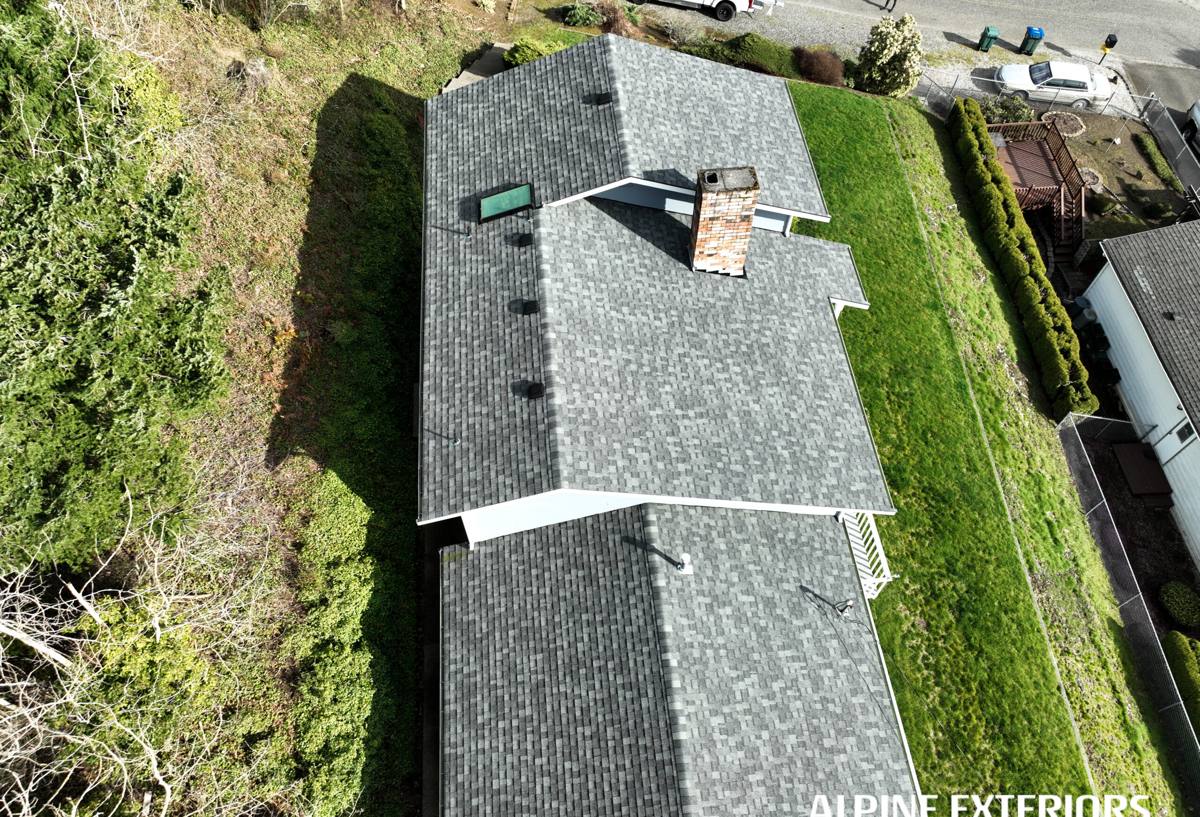
What a Correctly Installed Shingle Roof Needs in This Climate
Wind Resistance Starts Below the Shingle
Most shingle failures in wind events aren't a shingle problem — they're a fastening and underlayment problem. Nail placement, nail count, and nail gun pressure all matter more here than in calmer climates. Overdriven nails cut through the shingle mat and lose their grip long before a storm ever tests them. We hand-set pressure and check nailing patterns against the manufacturer's high-wind requirements, not the minimum code requirement, because the minimum is written for the whole state, not for a coastal Pinellas County roof.
Underlayment Is Not Optional Upgrade — It's the Backup Plan
Shingles shed water; underlayment is what keeps the deck dry when wind drives rain sideways under a shingle tab, which happens regularly in Gulf storms. A synthetic underlayment with taped or lapped seams, plus self-adhered membrane at eaves, valleys, and penetrations, gives the roof a second line of defense that a builder-grade felt underlayment doesn't.
UV and Salt Exposure Change What "Good" Shingles Means
Not every asphalt shingle line holds up the same way under constant sun and salt air. Granule adhesion, algae resistance, and the quality of the asphalt mat all vary by product tier. We steer homeowners toward architectural shingles with strong wind and algae warranties rather than the cheapest three-tab option, because the cost difference is modest compared to the difference in how the roof looks and performs a decade in.
Comparing Shingle Options for a Dunedin Roof
| Shingle Type | Typical Wind Rating | Best For | Trade-Offs |
|---|---|---|---|
| 3-Tab Asphalt | Lower (60-70 mph range) | Budget-driven projects, rental properties | Shorter lifespan in coastal wind and UV; less algae resistance |
| Architectural (Laminate) Asphalt | Higher (110-130 mph range depending on line) | Most Dunedin homes | Higher upfront cost, but better wind performance and appearance |
| Impact-Resistant Architectural | Same wind range, plus Class 4 impact rating | Homeowners chasing insurance premium credits | Higher material cost; not every carrier discounts every product line |
We don't push impact-resistant shingles on every job — for some homeowners the insurance discount doesn't offset the added cost, and for others it does. That's a conversation we have honestly during the estimate, based on your specific policy and carrier, not a blanket sales pitch.
How We Approach a Dunedin Roofing Job
- On-site inspection. We check the deck, not just the shingles — soft spots, prior repairs, and ventilation all get assessed before we quote anything.
- Honest scope. If a full tear-off isn't necessary, we say so. If it is, we explain why in plain terms — usually deck damage, multiple existing layers, or underlayment failure.
- Material selection. We walk through shingle lines, wind ratings, and warranty terms so you're choosing based on what matters for this house, not a generic upsell.
- Tear-off and deck inspection. Every deck board gets checked once the old roof is off. Soft or rotted decking gets replaced before anything new goes down — no exceptions, no covering it up.
- Underlayment and flashing. Self-adhered membrane at vulnerable areas, synthetic underlayment across the field, new flashing at valleys, walls, and penetrations.
- Shingle installation to high-wind nailing spec. Not the state minimum — the manufacturer's enhanced nailing pattern for coastal wind exposure.
- Ventilation check. Intake and exhaust balance gets corrected if it's off, since poor ventilation shortens shingle life and raises attic temperatures.
- Cleanup and magnetic sweep. Yard and driveway get cleared of debris and stray nails before we consider the job done.
Repair or Replace? How We Help You Decide
Not every roof problem means a full replacement, and we don't default to recommending one. A handful of missing shingles after a wind event, an isolated flashing leak, or a small area of granule loss can often be repaired cleanly if the rest of the roof is sound and the shingles aren't near the end of their service life.
Replacement makes sense when the damage is widespread, when the roof is old enough that matching shingles is difficult or impossible, or when repeated repairs are starting to cost more than a new roof would over a few years. We'll tell you plainly which category your roof falls into and why, including what we'd expect from a repair-only approach if that's genuinely the better call.
Signs a Roof Repair Is Overdue
- Granules collecting in gutters or at downspout outlets
- Shingle edges curling or lifting, especially on the south and west-facing slopes
- Visible cracking or bald patches where granules have worn away
- Dark streaking that doesn't wash off — often algae growth rather than dirt
- Soft spots underfoot or visible sagging along the roofline
- Water stains on interior ceilings, especially after wind-driven rain
- Nail heads visibly popping through the shingle surface
Ventilation and Flashing: The Details That Actually Cause Leaks
Most roof leaks in this area don't come from a bad shingle — they come from flashing that was reused instead of replaced, or valleys that weren't detailed correctly. Flashing around chimneys, skylights, and wall intersections is where water finds its way in, and it's also the part of a roofing job that's easiest to shortcut. We replace flashing as part of a reroof rather than reusing old pieces, because bent, rusted, or improperly seated flashing is a leak waiting for the next storm.
Attic ventilation matters just as much, even though it's invisible from the ground. A roof deck that can't breathe traps heat and moisture, which shortens shingle life from underneath and can void manufacturer warranties. We check ridge and soffit venting on every job and correct the balance when it's inadequate — a detail that's often skipped on quick reroof jobs but shows up as premature shingle failure a few years later.
Timeline, Permitting, and What to Expect
Most single-family shingle reroofs in the Oldsmar and Dunedin area take one to three days of on-site work, weather permitting, though scheduling around Florida's summer storm pattern sometimes means a job gets staged across a couple of dry-weather windows. Pinellas County and local municipal permitting is a standard part of any legitimate reroof — if a contractor tells you it isn't needed, that's a red flag, not a shortcut worth taking. We handle the permit and inspection process as part of the job rather than leaving it to the homeowner.
Why It Matters That We Already Work This Area
A crew that roofs Dunedin and the surrounding Oldsmar area regularly already knows which shingle lines hold up to this specific mix of sun, salt, and wind, what the local permitting process actually requires, and which failure points show up first on homes in this climate. That familiarity shows up in small decisions — nailing pattern, underlayment choice, flashing details — that a crew unfamiliar with coastal Gulf conditions might treat as optional rather than essential.
It also means we're a known, reachable local business if a question comes up after the job is done, not a crew that worked here once and moved on to the next region.
Simple Maintenance That Extends a Shingle Roof's Life
- Keep gutters and downspouts clear so water isn't backing up under the eaves
- Trim back overhanging branches that drop debris or scrape shingles in wind
- Have the roof visually checked after any major wind event, not just once a year
- Watch for granule buildup in gutters as an early warning sign
- Address small leaks or missing shingles promptly rather than waiting for a bigger problem
If your Dunedin roof is showing its age, took storm damage, or you're simply planning ahead, we're happy to take a look and give you a straightforward, no-pressure estimate — just fill out the form below.