 Oldsmar Siding
 Building Decks That Actually Hold Up in Dunedin
Dunedin sits close enough to the water that salt air, humidity, and storm winds are part of daily life for every homeowner here. A deck built with generic materials or shortcuts might look fine the day it's finished, but within a couple of seasons the Gulf Coast climate finds every weak point — loose fasteners, cupped boards, rusted hardware, faded finishes. Building a deck correctly for this part of Pinellas County means designing for those conditions from the start, not patching problems after the fact.
We work on decks throughout the Oldsmar and Dunedin area regularly, which means we're not guessing at what holds up here. We know which fastener grades corrode fast near the coast, which decking materials handle direct sun without becoming unbearable underfoot, and how local wind and moisture patterns affect a structure's substructure over time. This page covers what a custom deck built for Dunedin actually needs, what our process looks like, and how to think about materials and cost before you call anyone for an estimate.
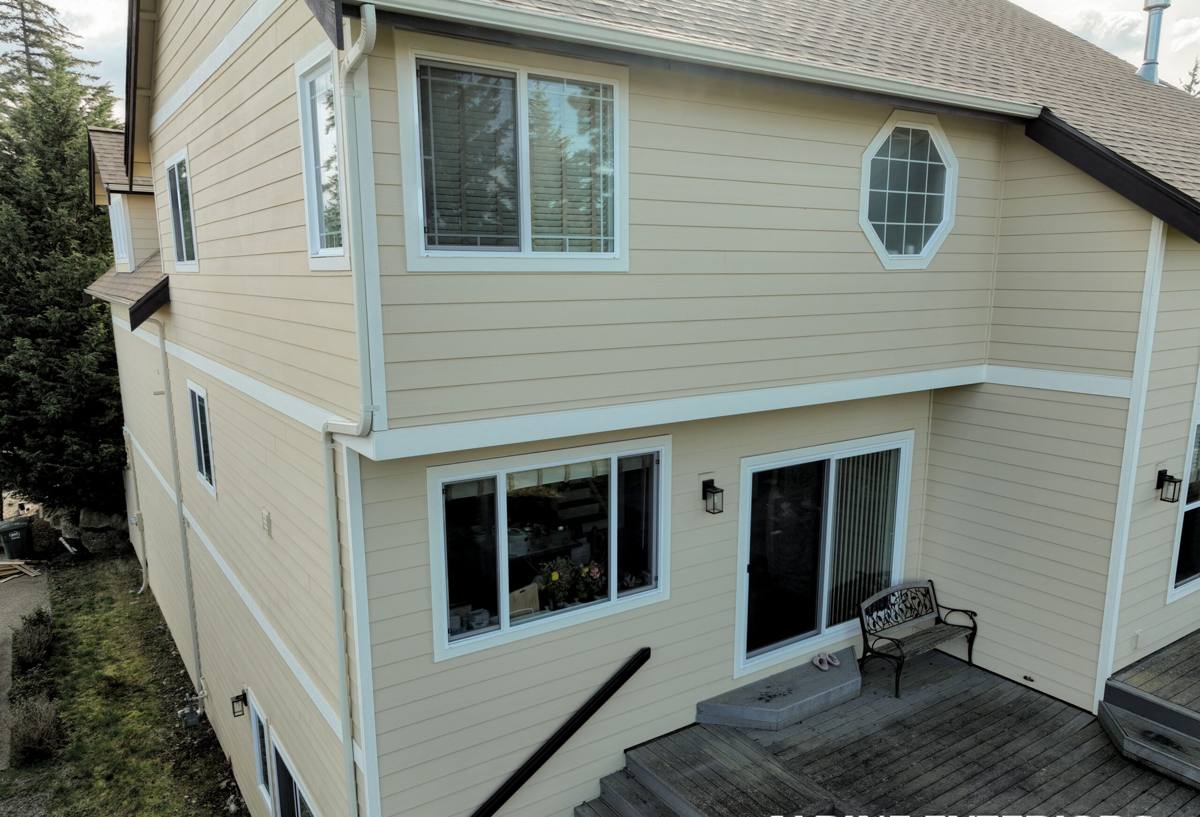
What Dunedin's Climate Does to an Outdoor Deck
Before talking about design or materials, it helps to understand the specific stresses a deck in this area faces year-round.
Salt Air and Corrosion
Even homes that aren't directly waterfront get salt-laden air carried inland from Gulf breezes. Salt accelerates corrosion in any metal component — fasteners, brackets, post bases, railing hardware. Standard hardware-store screws and connectors will often show rust within a year or two in this environment. This is one of the most common failure points we see on decks that weren't built with coastal-grade materials.
Intense, Year-Round UV Exposure
Florida sun is relentless on exposed wood and composite surfaces. UV breaks down wood fibers, dries out natural oils, and causes fading, checking, and splintering faster than in milder climates. Composite decking can also fade or chalk if it's a lower-grade product without adequate UV-stabilized capping.
Wind-Driven Rain
Pinellas County gets its share of tropical systems and strong seasonal storms. Wind-driven rain doesn't just fall on a deck — it gets pushed sideways and underneath structures, into ledger connections, and around railing posts. Poor flashing or sealing at the house connection is one of the most common causes of hidden rot we find on older decks during inspections.
Humidity and Moisture Cycling
Constant humidity followed by hot, drying sun creates a swelling-and-shrinking cycle in wood that loosens fasteners and opens gaps over time. Composite and PVC decking handle this cycle better than natural wood, but only if installed with proper spacing for thermal movement.
Hurricane-Force Wind Loads
Deck structures, especially elevated ones and those supporting roof structures or pergolas, need to be engineered to resist uplift and lateral wind loads consistent with local building code requirements for this wind zone.
What a Correctly Built Deck Involves
A deck is more than the visible decking boards. The parts you don't see are what determine whether it lasts five years or twenty-five.
Foundation and Footings
Footings need to be sized and set to the depth required by Pinellas County code, accounting for local soil conditions. Undersized or shallow footings are a common shortcut that leads to shifting, especially after heavy rain saturates the ground.
Framing and Structural Connections
Joists, beams, and posts should use lumber rated for ground contact where applicable, connected with corrosion-resistant, coastal-rated hardware — not standard interior-grade screws or nails. Joist hangers, hurricane ties, and post bases all matter more here than in a landlocked climate.
Ledger Attachment
Where a deck attaches to the house, proper flashing is critical. This is the single most common source of hidden water damage we find on decks that were built without it or with it done poorly — water works its way behind the flashing and into the house's rim joist or sheathing over time.
Decking Material Selection
Whether wood, composite, or PVC, the material needs to suit both the look you want and the maintenance level you're willing to commit to. We'll walk through the honest tradeoffs of each below.
Railings and Fasteners
Railing systems need to meet code height and baluster spacing requirements, and all connecting hardware should be stainless steel or another coastal-rated finish — not standard galvanized, which corrodes faster in salt air.
Choosing a Decking Material for This Climate
There's no single "best" decking material — it depends on your budget, how much upkeep you want to do, and how the deck will be used. Here's how the common options actually compare in a Dunedin backyard.
| Material | Upfront Cost | Maintenance | Coastal Climate Performance |
|---|---|---|---|
| Pressure-Treated Wood | Lowest | Annual sealing/staining recommended | Prone to checking, splintering, and fastener corrosion without regular upkeep |
| Tropical Hardwoods | Mid-High | Periodic oiling to maintain color | Naturally dense and durable, but still needs UV protection and quality fasteners |
| Capped Composite | Mid-High | Occasional washing | Strong UV and moisture resistance if fully capped on all sides; avoid lower-grade uncapped boards |
| PVC Decking | Highest | Minimal | Excellent moisture resistance, doesn't absorb water or support rot, holds up well near salt air |
We don't push one material as universally "correct" — we'll walk you through what fits your budget, your maintenance tolerance, and how you plan to use the space, and explain the real tradeoffs rather than a sales pitch.
Why We're Selective About Lower-Grade Composite
Not all composite decking is built the same way. Some older or budget composite products use a wood-fiber core without full encapsulation, which allows moisture absorption at the edges over time — a real problem in a humid, rain-heavy climate. Our standard is to use fully-capped boards specifically because of how this area's moisture cycle behaves, not because every composite product is bad. It's a maintenance and longevity call, not a brand judgment.
Our Process for a Dunedin Deck Project
- On-site assessment: We look at your yard's grade, drainage, sun exposure, and how the deck will connect to your home, and discuss how you actually plan to use the space.
- Design and material selection: We talk through layout, railing style, and decking material options with honest cost and maintenance tradeoffs for each.
- Permitting: Deck projects in Pinellas County typically require a permit; we handle that process and build to the applicable local code, including footing depth and wind load requirements.
- Foundation and framing: Footings are set, and the substructure is framed with coastal-rated hardware and properly flashed ledger connections.
- Decking, railing, and finish work: Boards and railings are installed with correct spacing for drainage and thermal movement, and all fasteners are checked for corrosion resistance.
- Final walkthrough: We go over the finished deck with you, including any maintenance recommendations specific to the material you chose.
What to Check Before You Hire Anyone for Deck Work
Deck-building attracts a wide range of contractors, and quality varies a lot. Before hiring anyone for a deck in this area, it's worth confirming a few basics.
- Proper licensing and insurance for structural work in Florida
- Experience pulling permits and building to Pinellas County's code requirements, including footing and wind load standards
- Use of coastal-rated, corrosion-resistant fasteners and hardware — not standard interior-grade hardware
- Proper flashing detail where the deck attaches to your home
- A written estimate that specifies material grade (not just "composite" or "wood" generically)
- Willingness to explain material tradeoffs honestly rather than pushing one product
Why Local Experience Matters for This Project
A deck built to a generic national spec sheet doesn't necessarily hold up here. Crews that haven't worked much on Florida's Gulf Coast sometimes underestimate how fast salt air corrodes standard hardware, or how much UV and moisture cycling affects wood over a full year. Working regularly in Oldsmar, Dunedin, and the surrounding Pinellas County area means we've seen firsthand which shortcuts fail early and which details — flashing, fastener grade, footing depth — actually matter for longevity here, not just on paper.
Maintaining Your Deck After It's Built
Even the best-built deck needs some ongoing attention in this climate. What that looks like depends heavily on the material you chose.
- Wood decks: plan on inspecting and resealing or staining every 1-2 years depending on sun exposure
- Composite and PVC decks: periodic washing to remove salt residue, pollen, and mildew buildup
- All decks: check railing hardware and fastener heads annually for early signs of corrosion
- All decks: keep drainage paths beneath the deck clear so water doesn't pool against footings
- After major storms: a quick visual check of railings, ledger connection, and footing area is good practice
Get a Straightforward Estimate
If you're thinking about adding or replacing a deck at your Dunedin home, we're happy to come take a look, talk through what fits your space and budget, and give you a straightforward, no-pressure estimate. Use the form below to get started.