 Oldsmar Siding
 Why Dunedin's Climate Is Hard on Siding
Dunedin sits close enough to the Gulf and to Tampa Bay's open water that salt-laden air, wind-driven rain, and near-constant UV exposure are simply part of the deal for anyone who owns a home here. Add in the real possibility of hurricane-force wind gusts during storm season, and you have a climate that tests exterior building materials harder than almost anywhere else in the country. Siding here isn't just cosmetic — it's the first line of defense between your walls and a coastal Pinellas County environment that works against cheap or poorly installed products every single day.
Homeowners who've lived in the area for a while have usually already seen what happens to the wrong siding choice: caulk joints that crack open after a couple of summers, panels that cup or bow from moisture cycling, paint that chalks and fades years ahead of schedule, or trim that quietly rots behind a gutter downspout nobody checked. None of that is inevitable. It's almost always a combination of the wrong material and installation shortcuts that don't account for what this specific stretch of Florida throws at a house.
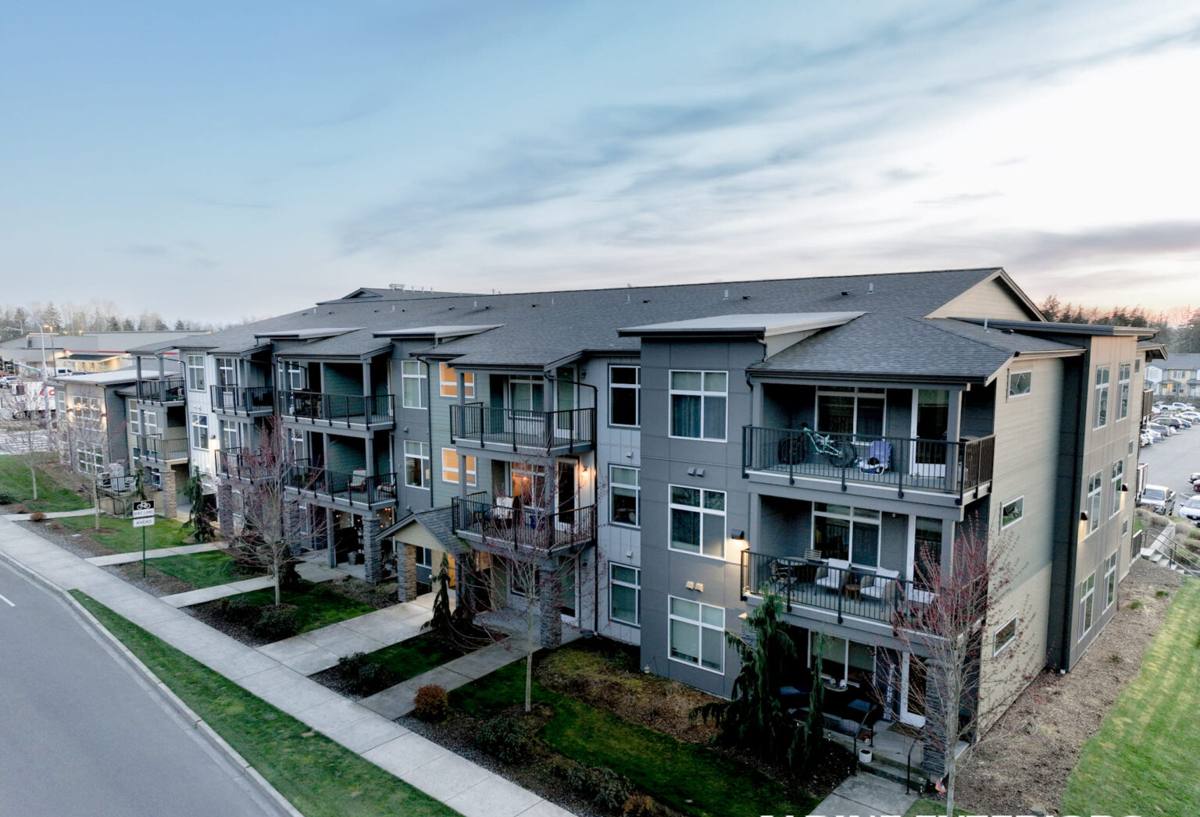
What Correct Fiber Cement Installation Actually Requires
Fiber cement siding is only as good as the details behind it. The board itself is durable, but the water management system built around it — flashing, clearances, fastening pattern, and joint treatment — is what actually determines whether a Dunedin home stays dry and looking good for decades or starts showing problems in year three.
The Details That Get Skipped
- Correct starter strip and bottom clearance so the first course never sits in standing water or lawn splash-back
- Proper head and kick-out flashing above windows, doors, and roof-to-wall intersections
- Fastener placement and spacing that matches the manufacturer's engineering, not just "close enough"
- Factory-cut and factory-primed edges kept intact, with field cuts sealed per spec rather than left raw
- A drainage plane and weather-resistive barrier installed as a system, not an afterthought behind the siding
- Butt joints and corner details sealed with the right sealant, applied at the right thickness, not just caulked over gaps
Every one of these steps matters more in a high-wind, high-moisture coastal zone than it would somewhere drier and calmer. A house near open water gets tested by wind-driven rain that pushes water sideways and upward, not just straight down — which is exactly the condition standard flashing and clearance details are designed to handle when they're actually followed.
Why We Install Only James Hardie
We made a deliberate decision to install James Hardie fiber cement exclusively — not LP SmartSide, not vinyl, not other fiber cement brands like Cemplank or Allura, and not primed wood products like spruce or cedar. That's not a marketing position; it's a standard we hold because of what we've seen happen in this climate over time.
Vinyl can warp and fade under intense, near-year-round Florida UV, and it offers little resistance in extreme wind events compared to a heavier, engineered fiber cement panel. Wood-based products, even primed ones, are more vulnerable to moisture intrusion and require more diligent, ongoing maintenance to avoid rot in a humid coastal environment. Other fiber cement brands may perform reasonably well, but James Hardie is engineered specifically for regional climate zones, backed by a factory finish system with a strong track record, and supported by a warranty structure we're comfortable standing behind. We'd rather install one product correctly, every time, than juggle multiple systems and hope each one holds up.
The HardieZone HZ5 System and This Climate
James Hardie engineers its siding to different HZ climate zones based on regional moisture and temperature patterns, and Dunedin falls squarely into the zone built for humid, high-moisture conditions. That means the product going on your home is formulated and tested for exactly the kind of climate stress — humidity cycling, heavy rain exposure, and salt air — that a coastal Pinellas County property deals with year-round.
The ColorPlus factory finish is a meaningful part of this system, too. Rather than relying on field-applied paint that has to cure and bond correctly on-site, ColorPlus color is baked on in a controlled factory environment, which gives it better fade and chip resistance under the kind of relentless UV this area gets. For a homeowner, that translates to fewer repaint cycles and a more consistent look over the life of the siding.
Our Installation Process, Step by Step
Assessment and Planning
We start by walking the exterior and identifying problem areas — old flashing, soft trim, drainage issues, anywhere water has clearly been getting in. This shapes the scope before a single board is ordered.
Removal and Substrate Check
Old siding comes off so we can inspect the sheathing underneath. Any rot or water damage gets addressed before new material goes on — covering up a hidden problem with new siding just delays a bigger repair later.
Weather Barrier and Flashing
A proper weather-resistive barrier goes down, followed by flashing at every penetration and transition — windows, doors, roof lines, and utility penetrations. This is the layer that does the real water management work.
Siding Installation
Hardie boards or panels go up following manufacturer fastening specs, with attention to clearances, joint treatment, and corner details built for this climate rather than a generic installation.
Trim, Caulk, and Final Detailing
Trim work, sealant at joints, and a final inspection close out the job. We walk the property with the homeowner before calling it finished.
Cost Factors for a Dunedin Fiber Cement Project
Every home is different, and we won't quote a number without seeing your property, but the factors below are what actually move the price on a fiber cement siding project in this area.
| Factor | Why It Matters | Impact on Cost |
|---|---|---|
| Tear-off vs. new construction | Removing and disposing of old siding, plus repairing any hidden substrate damage, adds labor | Moderate to significant |
| Home size and stories | More square footage and second-story access both add labor and equipment time | Significant |
| Trim and detail work | Homes with more windows, dormers, or architectural trim require more precise cutting and flashing | Moderate |
| Siding profile chosen | Lap siding, panel siding, and shake-style accents carry different material and labor costs | Low to moderate |
| ColorPlus vs. field paint | Factory-finished color costs more upfront but reduces future repainting | Low upfront, saves long-term |
| Underlying repairs found | Rotted sheathing or old flashing failures discovered during tear-off need fixing before install | Variable |
Maintenance Checklist for Coastal Pinellas Homes
James Hardie siding is low-maintenance compared to wood or vinyl, but "low-maintenance" doesn't mean "no-maintenance" — especially this close to salt water. A short seasonal routine keeps a Dunedin-area installation performing the way it's designed to.
- Rinse the exterior periodically to clear salt residue and airborne grime before it builds up
- Inspect caulk lines at joints, corners, and window trim once or twice a year for cracking or separation
- Check flashing above windows, doors, and roof-to-wall intersections after major storms
- Look for efflorescence (a white, chalky residue) which can signal moisture getting behind the surface
- Keep gutters clear so overflow doesn't run down and pool against the siding's bottom edge
- After named storms or high-wind events, do a visual walk-around to check for loosened boards or trim
Why Local Experience in the Dunedin and Oldsmar Area Matters
A crew that already works this specific stretch of Pinellas County brings something a traveling or out-of-area contractor can't easily replicate: familiarity with local permitting requirements, wind-load expectations tied to the area's exposure, and the specific failure patterns that show up on homes near the coast. We know what a house facing prevailing wind and salt spray needs versus one a few miles inland, and we plan flashing, fastening, and material choices accordingly.
There's also a practical, ongoing-relationship side to working with a local crew. If a question comes up two years after installation, or a storm raises a concern about a trim detail, you're calling a company that's still working in your area — not chasing down a contractor who did one job and moved on to another region entirely.
Get a Straight Answer for Your Dunedin Home
If you're weighing a siding replacement or repair for a home in the Dunedin or greater Oldsmar area, we're happy to walk the property, point out what we actually see, and give you a clear, no-pressure estimate for a correctly installed James Hardie system built for this climate. Use the form below to get started.