 Oldsmar Siding
 Roof Repair for East Lake Homes Near Oldsmar
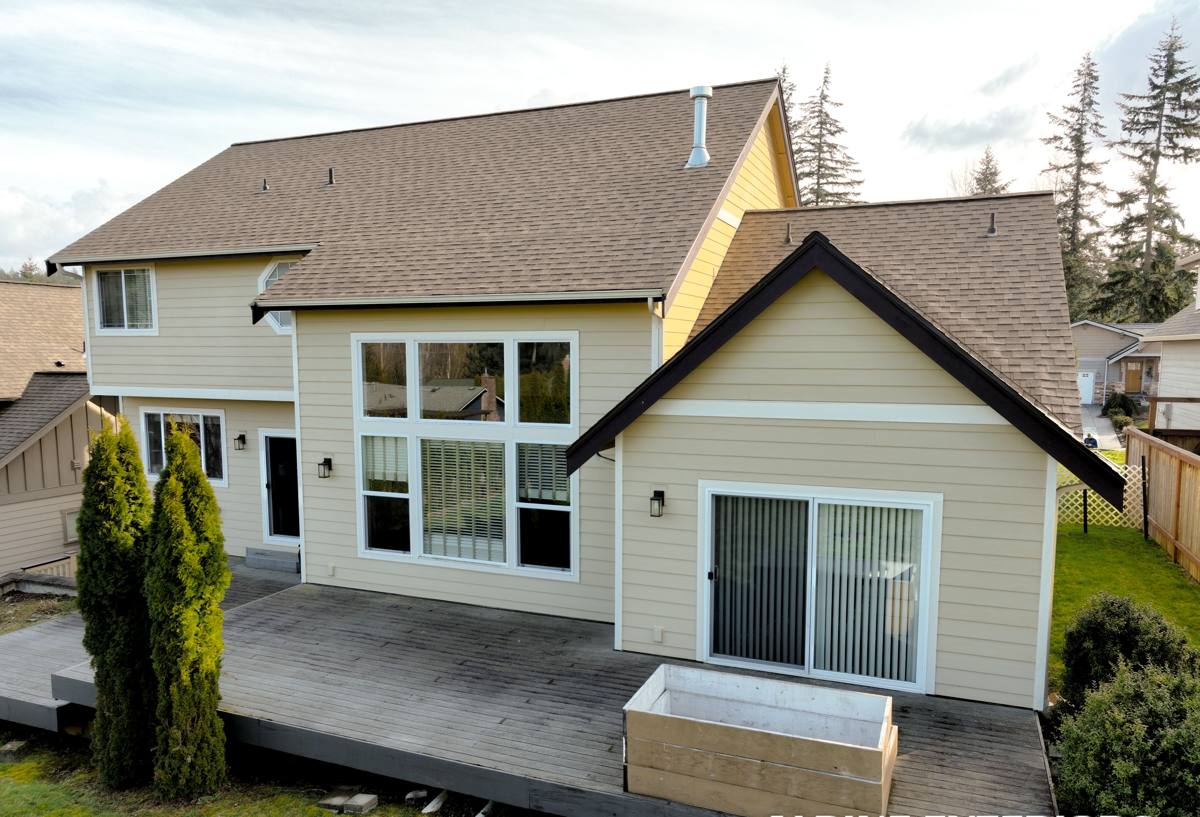
East Lake sits just outside Oldsmar in Pinellas County, and the roofs here take a beating from the same conditions that wear down every roof in this part of Florida: hurricane-force wind gusts during tropical systems, intense UV exposure nearly every day of the year, wind-driven rain that finds its way through the smallest gaps, and salt-laden air drifting in off Tampa Bay and the Gulf. None of that is unique to East Lake, but the mix of tree cover, lake-adjacent humidity, and mature neighborhoods with roofs of varying ages means the repair needs here are specific. We work on East Lake roofs regularly and know what tends to fail first, what a proper repair actually involves, and what corners get cut when a contractor is just passing through.
Why East Lake Roofs Wear the Way They Do
A roof's job is simple — keep water out — but Florida's climate attacks every part of that system at once. Understanding the specific stressors helps explain why some repairs hold for years and others fail within a season.
Wind and Uplift
Every named storm that brushes the Tampa Bay area puts uplift pressure on shingle edges, ridge caps, and flashing. Even when a roof survives a storm without visible damage, repeated wind events loosen fasteners and lift shingle tabs just enough to let water start working its way underneath. Over several storm seasons, this cumulative stress is often the real cause of a leak that seems to "appear out of nowhere."
UV Degradation
Central Florida gets some of the most direct, sustained sun exposure in the country. UV breaks down the asphalt oils in shingles, dries out sealant strips, and makes roofing material more brittle over time. A roof that's UV-damaged doesn't always look bad from the ground, but it loses flexibility, which makes it more vulnerable to wind and impact damage.
Wind-Driven Rain
Rain that falls straight down is easy for a roof to shed. Rain that's being pushed sideways by 40-60 mph gusts behaves differently — it gets forced up under shingle edges, around vent boots, and along flashing seams that would never leak in a normal rainstorm. This is why so many East Lake leak calls come in during or right after a storm, even on roofs that looked fine the week before.
Salt Air and Humidity
East Lake isn't oceanfront, but proximity to Tampa Bay and the Gulf means the air carries more salt content than an inland climate. Salt accelerates corrosion on exposed metal — nails, flashing, vent boots, and drip edge — and combined with the region's humidity, it also promotes algae and moss growth on shaded roof sections, especially under tree canopy.
What Roof Repair Actually Means
"Roof repair" covers a wide range of work, and the right approach depends entirely on what's actually failing. We break it into a few categories:
- Storm damage repair — replacing missing or lifted shingles, resetting or replacing damaged flashing, addressing wind-driven leaks after a named storm or severe thunderstorm.
- Leak diagnosis and repair — tracing a leak back to its actual entry point (which is often several feet from where the stain shows up inside) and fixing the root cause, not just patching the ceiling.
- Flashing and penetration repair — resealing or replacing flashing around chimneys, skylights, and vent pipes, which are consistently the most common failure points on an otherwise sound roof.
- Spot shingle replacement — replacing a section of aged, cracked, or storm-damaged shingles without a full re-roof, when the rest of the roof still has usable life left.
- Soft deck and rot repair — addressing water-damaged decking underneath the shingles, which has to be replaced before any new material goes down or the repair won't last.
How We Approach a Repair Call in East Lake
A repair job done right starts with an honest look at the whole roof, not just the spot where the leak is showing up.
1. Inspection First
We walk the roof (or use elevated inspection methods when walking isn't safe or appropriate for the roof type) and check the areas most likely to be the real source: flashing, penetrations, ridge lines, valleys, and any spot where two roof planes meet. Interior water stains tell us where to start looking, not necessarily where the problem is.
2. A Clear, Honest Scope
Once we know what's actually wrong, we explain it in plain terms — what failed, why it failed, and what it takes to fix it correctly. If a roof is old enough or damaged enough that repair is throwing money at a problem that needs a full replacement, we'll tell you that too. Our job is to give you an accurate picture, not to upsell or downplay.
3. Matching Materials Correctly
Shingle color and profile change over the years, and a mismatched repair patch is a common complaint homeowners have with past contractors. We do our best to match existing material closely, and when an exact match isn't possible, we'll tell you upfront and discuss options rather than surprise you with a visible patch.
4. Proper Flashing and Sealing
Most repeat leaks come from repairs where flashing was resealed with caulk instead of properly reworked. Caulk is not a long-term flashing solution in Florida's UV and heat — it dries out and cracks within a season or two. We repair flashing mechanically wherever possible, using sealant as a supplement, not a substitute.
5. Cleanup and Verification
We clear debris, check gutters and downspouts near the repair area for granule buildup or blockages, and where possible, verify the fix holds under a hose test before we consider the job finished.
Repair or Replace? A Straightforward Way to Think About It
Not every roof problem needs a full replacement, and not every leak can be permanently solved with a patch. Here's a general framework for thinking about it — actual recommendations depend on an in-person inspection.
| Situation | Repair Usually Makes Sense | Replacement Should Be Considered |
|---|---|---|
| Roof age | Under 12-15 years, otherwise healthy | Approaching or past manufacturer's expected lifespan |
| Damage extent | Isolated to one section, flashing, or penetration | Widespread across multiple slopes or roof planes |
| Shingle condition | Still flexible, granules intact elsewhere on roof | Brittle, curling, or losing granules broadly |
| Leak history | First occurrence, clear single cause | Recurring leaks in different spots over time |
| Decking condition | Solid, no rot found during inspection | Soft spots or rot found in multiple areas |
Common Trouble Spots We See in East Lake
While every roof is different, certain patterns show up often enough in this area to be worth mentioning:
- Vent boot seals cracking from UV exposure, usually within 8-10 years of installation, well before the shingles themselves need replacing.
- Valley flashing wearing thin or corroding faster on homes closer to the bay, where salt content in the air is a bit higher.
- Algae and moss buildup on shaded, north-facing slopes under mature tree cover, which holds moisture against the shingle surface.
- Lifted shingle tabs along roof edges and ridges after wind events, sometimes not noticed until the next heavy rain finds the gap.
- Nail pops and minor deck movement in older homes as framing settles and expands/contracts with heat cycles.
What a Homeowner Can Check Before Calling
You don't need to get on the roof yourself, but a quick ground-level and interior check can help us prioritize the visit and give you useful information either way.
- Look for ceiling stains, especially near chimneys, skylights, or where two roof lines meet.
- Check the attic (if accessible) for damp insulation, dark staining on the underside of decking, or daylight coming through anywhere it shouldn't.
- Walk the exterior after a storm and note any shingle pieces or granules in the yard or gutters.
- Check gutters for excessive granule buildup, which can signal accelerated shingle wear.
- Note when the leak or damage started showing up relative to recent weather, since that timing helps narrow down the cause.
Why Local Experience Matters for This Kind of Work
Roof repair is one of the easiest services to do poorly and have it look fine for a few months. A crew that's only in the area briefly — chasing storm damage after a hurricane, for instance — has no reason to stand behind a quick patch job once they've moved on to the next county. A crew that actually works Oldsmar and East Lake regularly has a different incentive: the work has to hold up, because we're still around and our reputation locally is what brings the next job. We also know which materials and techniques hold up under Pinellas County's specific mix of wind, sun, and salt air, rather than applying a generic approach that might work fine somewhere with a milder climate.
Get a Straightforward Estimate
If you're dealing with a leak, storm damage, or a section of roof that just doesn't look right anymore, we're happy to come take a look. There's no pressure and no obligation — just an honest assessment of what's going on and what it would take to fix it correctly. Use the form below to request a free estimate for your East Lake home.