 Oldsmar Siding
 Board & Batten Siding in Eastlake Woodlands: What Homeowners Need to Know
Eastlake Woodlands is one of Oldsmar's more established residential communities, and a lot of the homes here carry the kind of traditional and Florida-vernacular architecture that board and batten siding was made for — gable accents, covered porch faces, and in some cases full exterior walls finished in that clean vertical-plank-with-raised-seam look. It's a style choice that reads as timeless when it's done right and looks tired fast when it's not, and the difference almost always comes down to material and installation, not design.
We install board and batten in one material only: James Hardie fiber cement. This page covers what that means for a home in Eastlake Woodlands specifically — what Pinellas County's climate does to this siding profile, what a correct installation actually involves, and how we approach these jobs in this neighborhood.
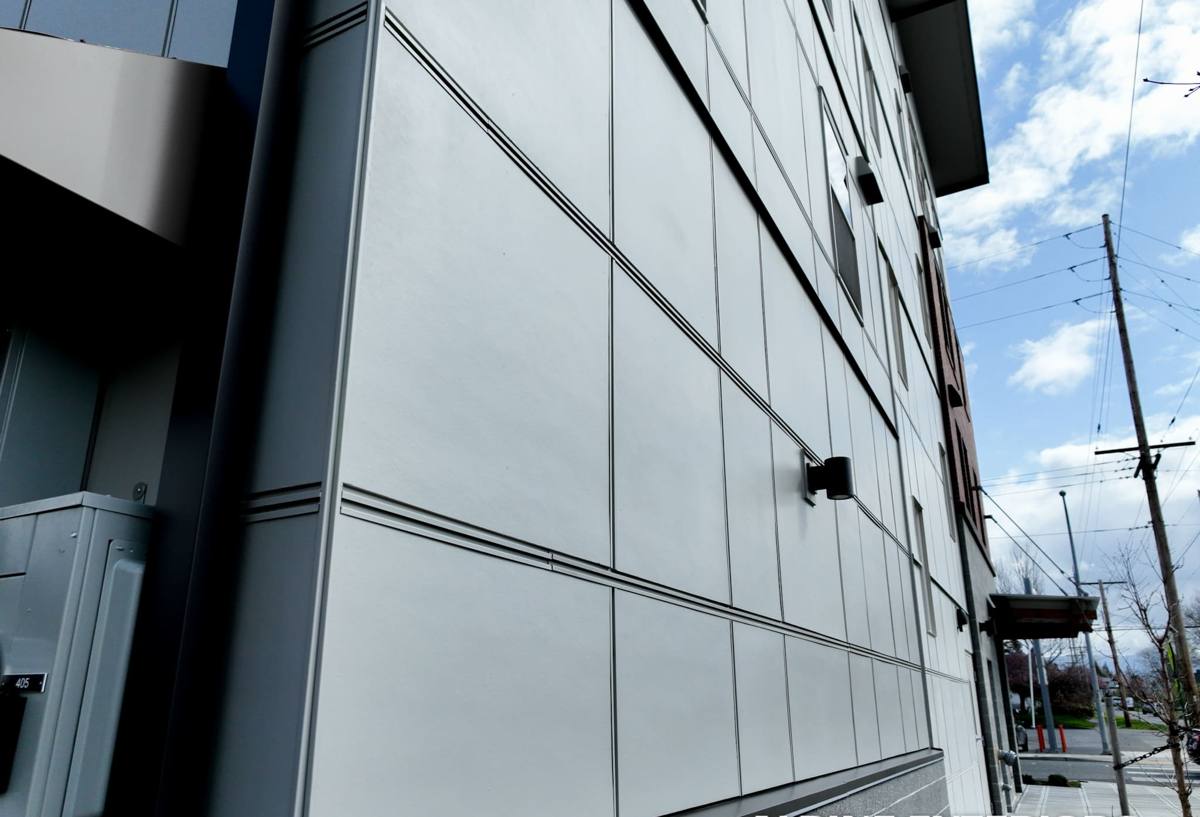
What Oldsmar's Climate Does to Board & Batten Siding
Board and batten isn't a flat panel — it's a field of vertical boards with narrow strips (battens) covering each seam. That profile has more joints and more exposed edges than a standard lap siding job, which means it's less forgiving of climate stress if the material or the install is wrong.
- Hurricane-force wind: Wind doesn't just push on a wall, it pulls at seams and fastener points. A batten that's under-fastened or a panel with the wrong nailing pattern is the first thing to lift or rattle loose in a storm.
- Wind-driven rain: Every seam under every batten is a potential water path. If there's no drainage plane behind the siding, water that gets past a seam has nowhere to go but into the wall.
- Year-round UV: Florida sun is unrelenting on vertical siding that faces south and west. Field-painted wood and cheaper composites chalk and fade unevenly, and the battens — being narrower — often show wear before the wide boards do.
- Salt air: Oldsmar sits close enough to Tampa Bay that airborne salt is a real factor. It accelerates corrosion on fasteners and trim hardware and speeds up the breakdown of finishes that aren't built for a marine-influenced climate.
None of this means board and batten is a bad choice for a home in this area — it means the material and the installation details matter more here than they would inland or in a milder climate.
Why We Only Install Board & Batten in James Hardie Fiber Cement
Board and batten is available in real wood, vinyl, engineered wood (like LP SmartSide), and fiber cement. We've made a deliberate call to install it in James Hardie fiber cement only, and it's worth explaining why rather than just stating it.
Wood board and batten
Traditional wood has real curb appeal, but every seam and every batten edge is a place moisture can get in, and Pinellas County humidity plus wind-driven rain is a hard combination for painted wood to hold up against long-term. Repainting and caulk maintenance become a recurring cost, and rot at panel bottoms and batten ends is common once a home is a decade or more old.
Vinyl board and batten
Vinyl is affordable and low-maintenance in mild climates, but it's a poor match for hurricane-force wind exposure — it's more prone to cracking, warping, and blow-off in high wind events, and it doesn't hold color under intense UV the way a baked-on finish does. We don't install it for that reason.
Engineered wood (LP SmartSide and similar)
Engineered wood siding performs reasonably in drier climates, but it's an organic wood-strand product at its core, and that makes it more sensitive to sustained moisture exposure than fiber cement. In a market with our humidity and storm rainfall, that's a trade-off we're not willing to install.
James Hardie fiber cement
Fiber cement doesn't rot, doesn't support fungus growth, and is non-combustible. James Hardie engineers specific product lines for high-humidity, storm-prone climates (their HZ5 line is built for exactly this region), and their ColorPlus finish is a factory-baked, multi-coat finish that holds color and resists fading far better than field-applied paint — which matters enormously on a profile with this much exposed vertical surface. It's also backed by a real transferable warranty, which field-painted wood and most engineered wood products simply can't match.
| Material | Wind/storm performance | Moisture behavior | UV/color retention | Maintenance |
|---|---|---|---|---|
| James Hardie fiber cement | Engineered for high-wind climates; strong fastener holding power | Non-combustible, doesn't rot, doesn't support fungus | Factory ColorPlus finish resists fading | Low — no repainting cycle in most cases |
| Real wood | Fair, but batten edges are vulnerable | Prone to rot and swelling at seams | Fades and chalks; needs repainting | High — regular paint and caulk upkeep |
| Vinyl | Weaker in hurricane-force gusts | Doesn't rot, but can warp | Fades and can become brittle in strong UV | Low, but replacement is common after storms |
| Engineered wood (LP SmartSide, etc.) | Moderate | Sensitive to sustained moisture | Fades over time; needs repainting eventually | Moderate |
What a Correct Board & Batten Installation Involves
The material is only half the equation. Board and batten fails from bad installation just as often as it fails from the wrong material, and in a climate like this, the details below aren't optional.
Drainage plane and rainscreen gap
Vertical siding needs a proper weather-resistant barrier and, ideally, a drainage gap behind the panels so any moisture that does get past a seam can drain and dry out instead of sitting against the wall sheathing.
Fastener schedule for wind zones
James Hardie specifies fastener type, spacing, and placement based on local wind exposure. Pinellas County sits in a high-wind zone, and following the manufacturer's high-wind fastening schedule — not a generic one — is what keeps panels and battens from lifting in a storm.
Batten spacing and attachment
Battens need consistent spacing and correct fastening into the panel and framing beneath, not just into the panel face. Improperly fastened battens are one of the most common failure points we see on board and batten jobs done wrong.
Flashing at every horizontal transition
Anywhere board and batten meets a window head, door, roofline, or another siding transition, proper flashing has to be integrated correctly — this is where wind-driven rain finds its way in if it's skipped or done casually.
Caulking used correctly, not as a fix-all
Caulk has a place at specific joints, but it's not a substitute for correct flashing and drainage design. Installers who lean on caulk to cover for shortcuts are setting a homeowner up for maintenance headaches within a few years.
Our Process for Eastlake Woodlands Projects
- On-site assessment: We look at your home's current siding condition, wall assembly, wind exposure, and where board and batten makes sense — as an accent or full coverage.
- Product and color selection: We walk through James Hardie panel and batten options and ColorPlus color choices suited to the look you want.
- Written scope and estimate: You get a clear breakdown of what's included — house wrap, flashing details, fastener schedule, trim — before any work starts.
- Installation to manufacturer spec: Our crews follow James Hardie's installation requirements for this wind zone, not shortcuts.
- Final walkthrough: We review the finished work with you before calling the job done.
Signs Your Current Siding Needs Attention
- Soft or spongy spots when you press on boards or battens near the bottom of the wall
- Visible gaps, warping, or separation at batten seams
- Peeling or chalking paint that keeps coming back after repainting
- Discoloration or staining that tracks with seam lines, suggesting water intrusion
- Loose or rattling battens after windy weather
- Visible fastener corrosion or rust streaking, common with salt air exposure
If you're seeing more than one of these on a home in Eastlake Woodlands, it's worth having the siding looked at before the next storm season rather than after.
Cost Factors for a Board & Batten Project
| Factor | Why it matters |
|---|---|
| Coverage area | Full-home board and batten costs more than accent applications on gables or porch faces |
| Substrate condition | Rot or water damage behind existing siding adds repair scope before new siding goes up |
| Panel and batten profile | Batten width and spacing choices affect material quantities and labor time |
| ColorPlus vs. field-applied finish | Factory-finished panels reduce long-term repainting costs even if upfront pricing is comparable |
| Trim and flashing detail | Homes with more windows, transitions, and rooflines require more flashing work |
We don't quote board and batten off a square-footage guess — every estimate is based on an actual look at your home's walls, trim, and current condition.
Why Local Experience in Eastlake Woodlands Matters
A crew that's worked in this neighborhood already understands the housing stock, the typical wall assemblies, and how homes here sit relative to sun and wind exposure. That familiarity shows up in small ways that matter — knowing what to expect when siding comes off an older wall, matching trim details to the style already established in the community, and scheduling around the same hurricane season every homeowner in Oldsmar is planning around. It's the difference between a crew learning on your house and a crew that already knows what this area asks of a siding job.
Get a Straightforward Estimate
If you're considering board and batten siding for your Eastlake Woodlands home — whether as an accent feature or a full exterior — we're happy to take a look and walk you through what it would involve, with no pressure to move forward. Fill out the form below to request a free estimate.