 Oldsmar Siding
 Deck Building for Eastlake Woodlands' Wooded, Weather-Exposed Lots
Eastlake Woodlands sits among mature tree canopy and golf course frontage in the Oldsmar area of Pinellas County, and that setting shapes what a deck out here actually needs. Shaded, tree-lined lots stay damp longer after rain. Open, course-facing yards catch full sun and wind with almost nothing to break it up. Either way, a deck built for this neighborhood has to handle standing moisture, direct UV, and the kind of wind-driven rain that blows in off the Gulf several times a year. A deck that would hold up fine in a drier climate can start failing here within a few seasons if it wasn't built with these conditions in mind from the start.
We build and repair decks throughout Oldsmar and the surrounding Pinellas County communities, and Eastlake Woodlands' mix of wooded lots and open golf-course exposure is a pattern we know well. This page covers what actually matters for a deck built here: material choice, framing details, fastener selection, permitting, and the maintenance routine that keeps a deck looking and performing the way it should.
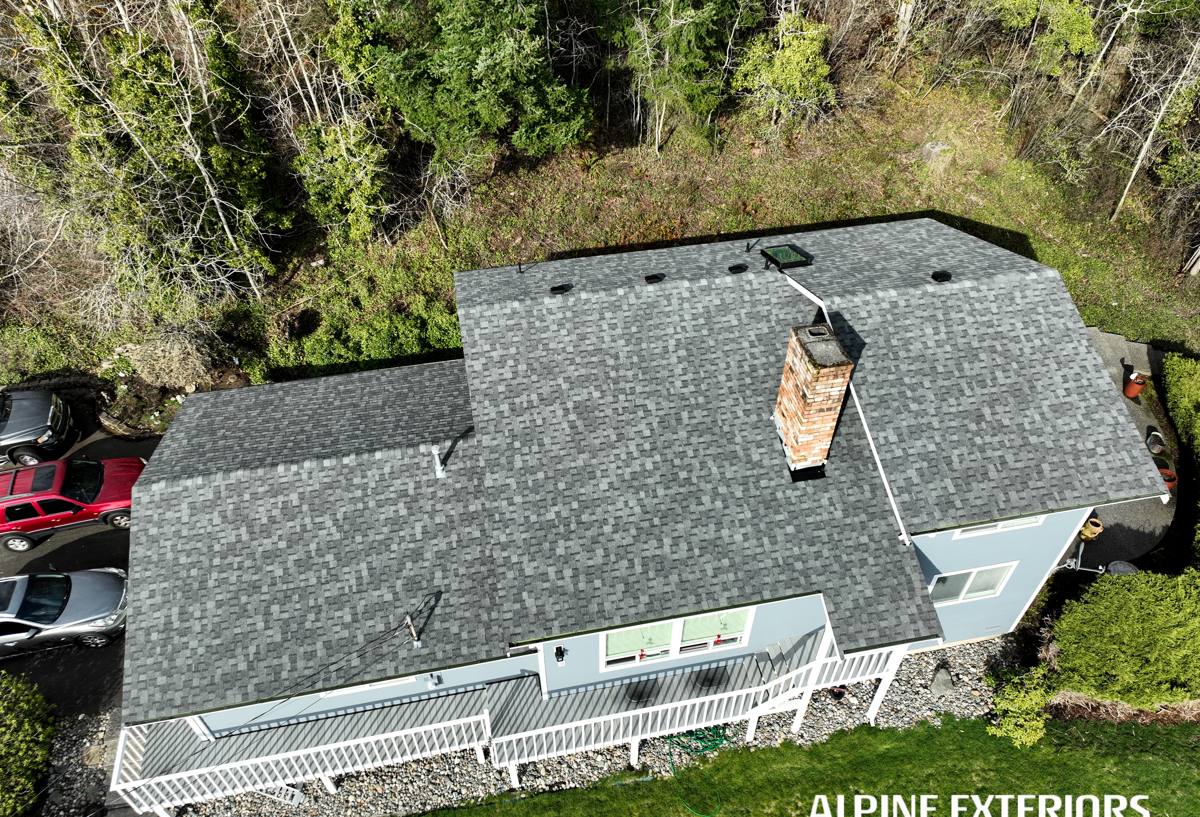
What Central Florida Weather Does to a Deck Over Time
Decks fail slowly, and the failure almost always traces back to one of a handful of climate-driven causes. Understanding them is the difference between a deck that lasts and one that needs premature repair.
UV and Heat
Pinellas County gets intense, near year-round sun exposure. UV breaks down the lignin in wood fibers, causing graying and surface checking, and it degrades the color and flexibility of composite and PVC boards over time as well. Unshaded, south- and west-facing deck sections take the worst of it.
Wind-Driven Rain and Humidity
Rain here rarely falls straight down. Storms push it sideways, driving moisture into board end grain, fastener holes, and any gap where two materials meet. Combined with Florida's humidity, that moisture doesn't dry out quickly, which is what drives rot in wood framing and corrosion in hardware.
Salt Air
Oldsmar sits along Tampa Bay, and salt-laden air travels further inland than most homeowners expect. Salt accelerates corrosion in fasteners, brackets, and any exposed metal connector, which is why hardware selection matters as much as the decking material itself.
Hurricane-Force Wind
A deck attached to the house has to resist uplift and lateral loads during tropical storms and hurricanes. Ledger attachment, post anchoring, and railing connections all need to be built to withstand wind loads, not just support foot traffic on a calm day.
Choosing the Right Decking Material for This Neighborhood
There's no single "best" decking material — there's a best fit for your budget, your yard's sun and shade pattern, and how much upkeep you actually want to do. Here's how the common options compare for a Gulf Coast, Pinellas County climate.
| Material | Sun/Heat Performance | Moisture Behavior | Maintenance | Typical Lifespan |
|---|---|---|---|---|
| Pressure-treated wood | Grays and checks with UV exposure | Prone to cupping and rot if not sealed regularly | Annual cleaning and re-sealing | 10-15 years |
| Tropical hardwood | Naturally dense, holds up well to sun | Very low absorption; resists rot | Periodic oiling to maintain color | 20-25+ years |
| Capped composite | Fade-resistant cap layer | Won't rot; some cores can absorb moisture at cut ends | Occasional washing, no sealing | 25-30 years |
| PVC/cellular decking | Highest UV and heat resistance | Fully moisture-proof | Lowest; soap and water | 30+ years |
Wood costs less upfront and gives a natural look many homeowners want, but it's the highest-maintenance option in this climate — skip a year of sealing and you'll see it in cupped or checked boards. Composite and PVC cost more initially but hold up better against the sun and moisture cycle without annual upkeep. For heavily shaded lots under mature trees, we lean toward capped composite or PVC since damp, shaded boards are exactly where wood rot and mildew take hold fastest. For open, sun-exposed yards facing the course, a quality capped product resists fading better than uncapped composite.
Framing and Fasteners: Where Decks Actually Fail
Homeowners tend to focus on the decking surface, but most structural deck failures start underneath, in parts nobody sees until something goes wrong.
Ledger Attachment
The ledger board — where the deck bolts to the house — carries a huge share of the structural load. It needs proper flashing to keep water from getting trapped between the ledger and the house wall, and lag bolts or through-bolts rated for the load, not just nailed on.
Joist Hangers and Hardware
In a humid, salt-influenced climate, standard galvanized hardware corrodes faster than most people expect. We use fasteners and connectors rated for coastal or ACQ-treated lumber contact, since the copper in modern pressure-treated wood reacts with lower-grade galvanized coatings and accelerates corrosion from the inside out.
Post Footings
Footing depth and post anchoring need to account for wind uplift, not just vertical load. A deck that looks solid can still rack or lift at the corners in a strong storm if the post-to-footing connection wasn't engineered for it.
Board Spacing and Airflow
Proper gapping between boards and adequate airflow underneath the deck lets moisture evaporate instead of sitting against the framing. Decks built tight to grade or without ventilation trap humidity and shorten the life of everything underneath.
Permitting in Oldsmar and Pinellas County
Most new decks and significant deck rebuilds require a building permit, and elevated decks typically need engineered or code-compliant railing, stair, and guard details. Requirements vary by deck height, attachment method, and lot specifics, so we handle the permitting process as part of the job rather than leaving it to the homeowner to sort out. Skipping the permit step can create real problems later — unpermitted structures can complicate a home sale or an insurance claim, and inspections exist to catch the exact structural issues (ledger attachment, footing depth, railing height) that matter most in this climate.
Our Deck Building Process
We keep the process straightforward and communicate at each stage so there are no surprises partway through the job.
- On-site assessment of your lot's sun, shade, drainage, and grade before any design work starts
- Material recommendation based on your budget, maintenance preference, and the specific exposure of your yard
- Structural design covering ledger attachment, footings, and hardware suited to Gulf Coast conditions
- Permit submission and coordination with Oldsmar/Pinellas County inspection requirements
- Framing built to resist wind uplift and lateral load, not just support foot traffic
- Decking installation with proper board spacing for drainage and thermal movement
- Railing, stairs, and any lighting or finish details installed to code
- Final walkthrough covering what maintenance your specific material choice actually needs
Cost Factors for an Eastlake Woodlands Deck
Every deck is priced around its own footprint, height, material, and site conditions, so we don't quote a flat rate before seeing the job. That said, these are the main factors that move the price up or down.
| Factor | Impact on Cost |
|---|---|
| Decking material (wood vs. composite vs. PVC) | Largest single cost driver; PVC and premium composite cost more upfront than wood |
| Deck height and grade change | Taller decks need deeper footings, more framing, and code-required railing |
| Square footage and shape | Larger footprints and multi-level or curved designs add material and labor |
| Site access and tree clearance | Wooded lots with limited equipment access can add labor time |
| Railing and stair complexity | Custom railing, multiple stair sets, or built-in seating add cost |
| Hardware and fastener grade | Coastal-rated hardware costs more than standard but protects the structural investment |
We'll walk your specific yard, talk through what you actually want out of the space, and put together a written estimate that breaks down material and labor so you know exactly what you're paying for.
Maintenance: Keeping a New Deck Looking Right
What a deck needs after it's built depends entirely on what it's built from, but a few habits apply across the board in this climate:
- Sweep off leaves and organic debris regularly — under mature tree canopy, this matters more than most homeowners expect, since trapped debris holds moisture against the boards
- Rinse salt residue off with fresh water periodically, especially after windy weather off the Bay
- Check railing and stair connections for looseness once or twice a year
- For wood decks, plan on re-sealing on a regular schedule, not just when it visibly needs it
- For composite or PVC decking, a simple soap-and-water wash is usually all that's required
- Keep the area underneath the deck clear so airflow can do its job
Why Local Experience in Eastlake Woodlands Matters
A deck built by a crew that hasn't worked this specific mix of conditions — wooded, humid lots right alongside open, wind-exposed golf course frontage — is a deck built on guesswork. We've built and repaired decks across Oldsmar and the surrounding Pinellas County communities long enough to know which fastener grades hold up, which materials handle shade and moisture without turning into a maintenance headache, and how to frame a structure that won't rack or lift when the next tropical system pushes through. That local knowledge shows up in details that aren't visible on day one but matter a great deal five and ten years down the road.
If you're planning a new deck or need an honest look at an aging one, we're happy to come out, walk the site, and give you a straightforward, no-pressure estimate — just fill out the form below to get started.