 Oldsmar Siding
 Deck Repair Built for Eastlake Woodlands Conditions
Decks in Eastlake Woodlands sit under the same relentless conditions as the rest of Oldsmar and Pinellas County, but the neighborhood's mature tree canopy and closely spaced lots add their own wrinkles — more shade means slower drying after rain, more leaf litter collects in deck gaps, and sprinkler overspray keeps certain boards damp longer than others. Add in the region's hurricane-force wind events, intense year-round UV, wind-driven rain, and salt-laden air drifting in off Tampa Bay, and you have a structure that ages differently than a deck in a drier, cooler climate. A deck that looks fine from the yard can be hiding soft joists, corroded fasteners, or a ledger board pulling away from the house — none of which show up until someone puts weight on the wrong spot.
We repair decks throughout Oldsmar, and Eastlake Woodlands is one of the areas we're in regularly. That matters more than it sounds like it should — a repair crew that already knows how this neighborhood's decks tend to fail spends less time diagnosing and more time fixing.
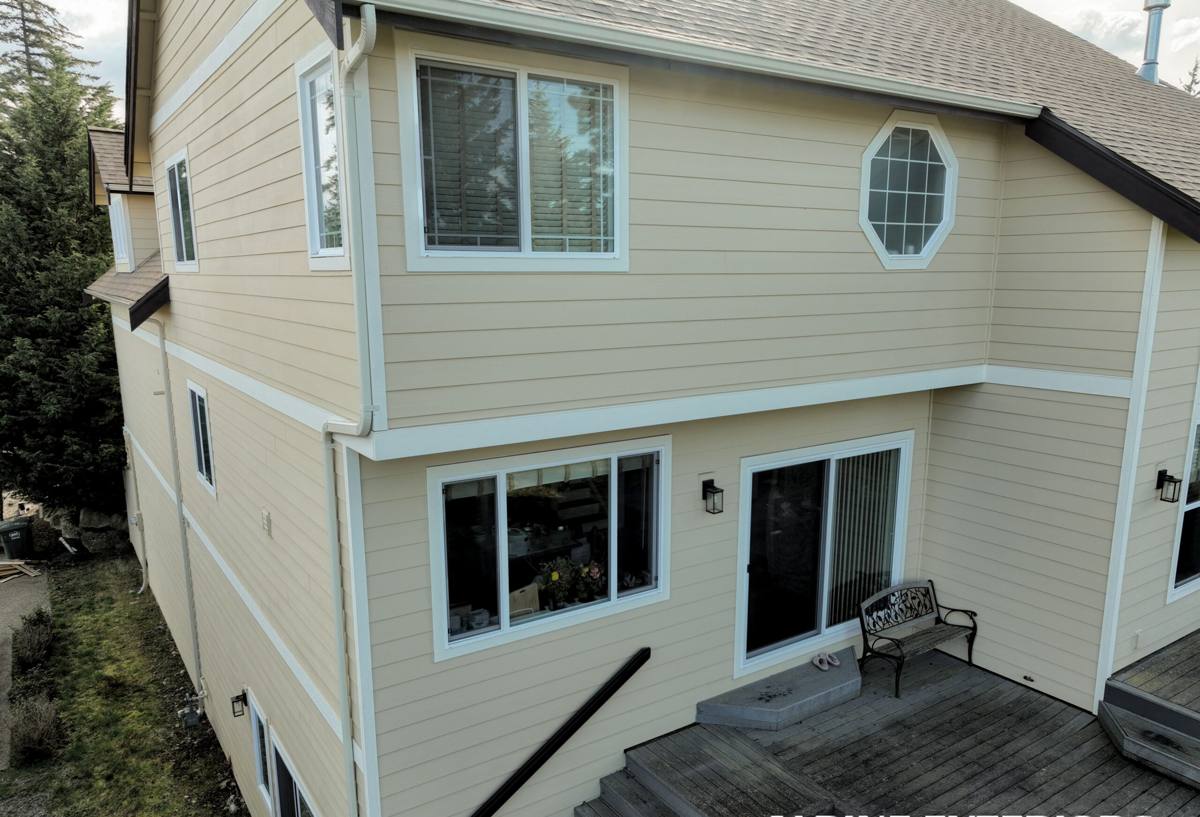
Signs Your Deck Needs Repair, Not Just Cleaning
A pressure wash and a coat of sealant can make a tired deck look better without addressing what's actually wrong underneath. Before you spend money on cosmetic work, check for these warning signs — any one of them means it's time for an actual inspection, not just a cleaning:
- Boards that flex, bounce, or feel spongy when you walk across them
- Railings or posts that wiggle when pushed — even slightly
- Visible gaps or rust streaks around the ledger board where the deck meets the house
- Fastener heads that have popped up, corroded, or stained the wood around them
- Cracks running with the grain on structural members (not just surface checking)
- Soft or discolored wood near post bases, especially where they meet the ground or a footing
- Stairs that feel uneven or have visible gaps between treads and stringers
- A noticeable gap or separation between the deck and the house siding
None of these are cosmetic issues. They're structural, and in a climate that alternates between soaking rain and baking sun, small problems compound fast.
What a Correct Deck Repair Actually Involves
Starting at the Connection Points, Not the Surface
The parts of a deck that fail first are rarely the decking boards themselves — it's the connections. The ledger board attachment to the house, the joist hangers, the post-to-beam connections, and the fasteners holding it all together take the most abuse from moisture cycling and wind load. A repair that only replaces a few worn boards but ignores a rusting joist hanger or an under-flashed ledger is a repair that will need to be redone within a couple of years.
What We Check on Every Repair Visit
- Ledger board attachment and flashing where the deck meets the house
- Joist condition, especially at the ends where they meet the ledger or beam
- Post and footing condition, including any movement or rot at ground contact
- Fastener type and condition — the wrong fastener in Florida's humidity corrodes fast and stains the wood around it
- Railing post attachment, since this is a life-safety item, not a cosmetic one
- Stair stringer condition and attachment
We use stainless steel or coated fasteners rated for exterior and ground-contact use, and we match hardware to the wood or composite species involved. Mixing incompatible metals with treated lumber accelerates corrosion — it's a detail that's easy to skip and expensive to ignore.
Wood vs. Composite: Why the Repair Approach Differs
Not every deck in Eastlake Woodlands is the same material, and the repair strategy has to match what's actually there. Pressure-treated wood, natural hardwoods, and composite decking all fail differently under Florida sun and rain, and repairing one like it's the other leads to mismatched results or repeat problems.
| Material | Common Failure Points | Repair Approach |
|---|---|---|
| Pressure-treated wood | Board cupping, splitting, fastener pop, rot at ground contact | Replace affected boards individually; treat and seal cut ends; address moisture source |
| Natural hardwood (ipe, cedar, etc.) | Surface graying, checking, occasional plank warping | Selective board replacement matched to existing wood; re-oil or reseal full surface for consistency |
| Composite decking | Fading/color mismatch on repairs, fastener spacing issues, edge swelling on older boards | Full-board swap using matched or closest-available color; verify substructure before reattaching |
| Structural framing (any surface material) | Ledger separation, joist rot, corroded hardware, post movement | Sistering or replacing framing members, re-flashing ledger, upgrading hardware |
Composite decking in particular gets treated as "maintenance-free" more often than it should. It doesn't rot the way wood does, but the framing underneath it is still wood in most cases, and that framing is still exposed to the same moisture cycling. A composite deck with rotted joists underneath is still a structural problem — the surface just hides it longer.
Structural Repair vs. Cosmetic Repair — Know the Difference
Homeowners often call about a "few loose boards" and find out the actual issue is structural. It's worth understanding the distinction before you get a quote, so you know what questions to ask:
| Repair Type | Examples | What Drives the Cost |
|---|---|---|
| Cosmetic | Sanding, resealing, staining, minor board swaps | Deck size, material, number of boards affected |
| Moderate structural | Joist sistering, hardware upgrades, railing post reinforcement | Accessibility, extent of rot, whether decking must be removed to reach framing |
| Major structural | Ledger reattachment/reflashing, post or footing replacement, stair rebuild | Permit requirements, engineering if required, extent of hidden damage found once opened up |
We won't know which category a given deck falls into until we actually get underneath it — a deck that looks like a simple board swap from the top can turn into a framing repair once we pull a section up. We'll always show you what we find before doing work beyond the original scope.
Permits and Inspections
Structural deck repairs — anything touching framing, footings, or railing attachment — typically require a permit through Pinellas County or the City of Oldsmar, depending on the scope and location. This isn't a formality we skip to save time. An unpermitted structural repair can create problems at resale, and more importantly, it means the work never got a second set of eyes checking that it was done to code. Part of doing this job right is knowing when a permit applies and handling that process instead of leaving it on the homeowner.
Our Repair Process
- Inspection. We walk the entire deck, check every connection point, and get underneath it where possible — not just the walking surface.
- Written scope. You get a clear breakdown of what's cosmetic, what's structural, and what we recommend fixing now versus monitoring.
- Permit handling. If the scope requires a permit, we take care of pulling it.
- Repair. Framing and connections get addressed before surface work — we don't put new boards on top of a compromised structure.
- Final check. We walk the deck with you when it's done and point out anything worth keeping an eye on going forward.
Why a Crew That Already Works Eastlake Woodlands Matters
Deck repair isn't a one-size-fits-all trade. A crew that's done repair work in this neighborhood already has a feel for how tree cover and lot layout affect drying patterns, which framing types tend to show up in homes of a given age, and how the salt air moving inland off the bay factors into fastener choice. That doesn't replace a proper inspection of your specific deck, but it does mean fewer surprises and a faster, more accurate diagnosis than starting from zero on every job.
We're also local enough that a follow-up visit — if you notice something after the fact, or just want a second look before hurricane season — isn't a hassle to schedule.
Keeping a Repaired Deck in Good Shape
Once repairs are done, a little seasonal attention goes a long way in this climate:
- Rinse off leaf litter and debris regularly, especially in shaded areas where moisture sits longer
- Check railing posts for movement a couple of times a year
- Reseal or refinish wood decking on the schedule the product calls for — UV exposure here is intense and breaks down finishes faster than in milder climates
- Keep sprinklers from hitting the deck directly, especially the ledger area
- Walk the underside after any major storm to check for new gaps, movement, or debris buildup around posts
If you're noticing soft spots, movement, or just aren't sure whether what you're looking at is cosmetic or structural, we're glad to take a look. Fill out the form below for a free, no-pressure estimate — we'll tell you honestly what needs fixing and what doesn't.