 Oldsmar Siding
 Building Decks That Actually Hold Up in Feather Sound
Feather Sound sits close to Old Tampa Bay, which means homes here deal with a specific mix of conditions: salt-tinged air drifting off the water, long stretches of direct sun, and the wind-driven rain and occasional hurricane-force gusts that come with living in Pinellas County. A deck that looks fine on day one but wasn't built for that combination will show it fast — cupped boards, rusted fasteners, a railing that's gone spongy at the post base. We build custom decks for this specific environment, not a generic one, and that shows up in the hardware we choose, the way we flash a ledger board, and how we frame for wind uplift.
A deck in Feather Sound isn't just an outdoor platform — for a lot of homeowners here it's the main gathering space for most of the year, given how much of Florida living happens outside. That means it needs to handle daily UV exposure, sudden downpours, and salt air corrosion without turning into a maintenance headache or a safety issue five years in.
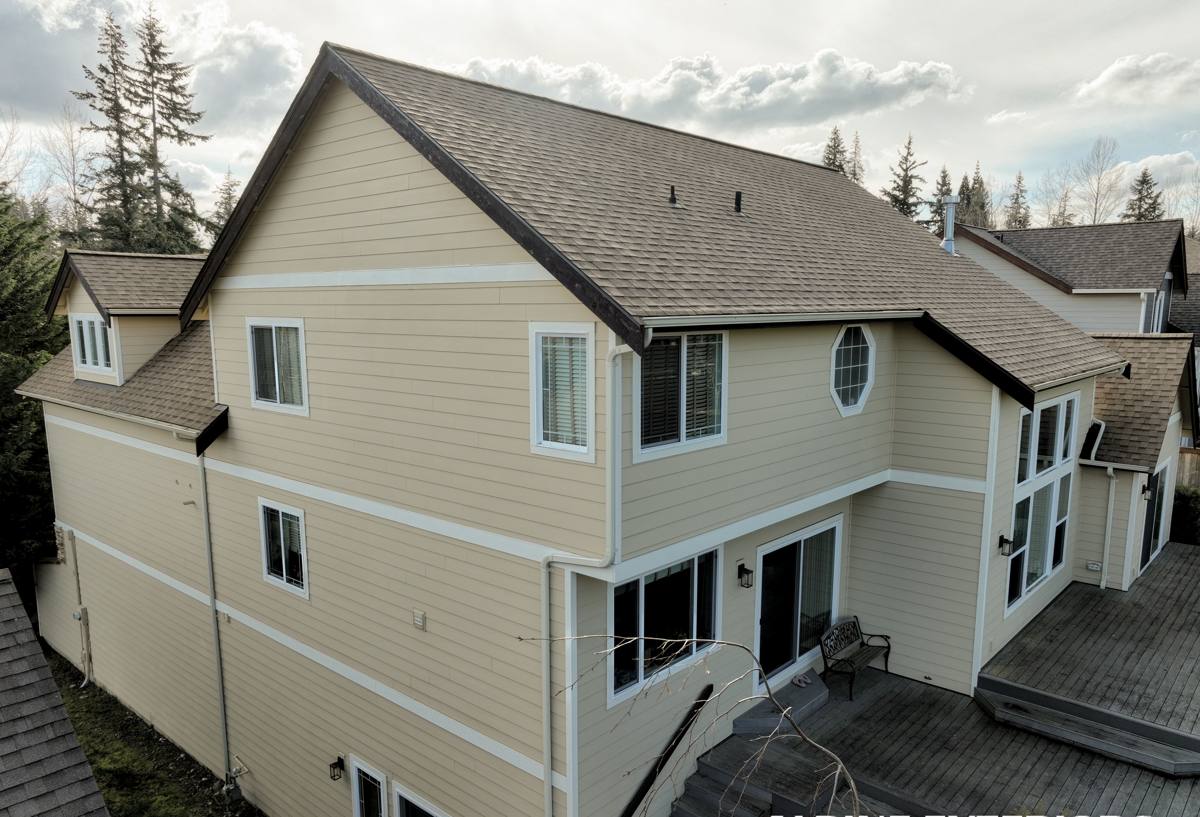
What a Correctly Built Deck Requires in This Climate
There's a difference between a deck that passes inspection and one that's actually built to last in a coastal-influenced climate. Both can look identical on the day they're finished. The difference shows up years later, underneath the boards and behind the railing posts.
Footings and Post Bases
Florida doesn't have frost heave to worry about, but it does have wind uplift and saturated soil after heavy rain. Footings need to be sized and set for the actual load and wind exposure of the site, and post bases should sit above grade with proper drainage so they're not sitting in standing water after a storm.
Fasteners and Hardware
This is where a lot of decks fail early, and it's almost always invisible until something breaks. Salt air accelerates corrosion on standard fasteners, hidden brackets, and joist hangers. We use fastener and connector hardware rated for coastal and treated-lumber exposure — not because it's required on paper, but because we've seen what standard-grade hardware looks like after a few humid Gulf Coast summers.
Ledger Attachment and Flashing
Where the deck attaches to the house is the single most common failure point on any deck, anywhere. Wind-driven rain will find any gap in the flashing over time. A proper ledger installation uses correct flashing details and fastener spacing so water is shed away from the house structure, not trapped behind the board.
Choosing a Decking Material for Feather Sound Homes
There's no single "best" decking material — there's a best material for your budget, your maintenance tolerance, and how much direct sun and salt exposure your specific lot gets. Here's how the common options actually compare in this climate:
| Material | Sun/UV Performance | Salt Air Behavior | Maintenance |
|---|---|---|---|
| Pressure-treated pine | Fades and grays without sealing; needs re-sealing regularly | Tolerant but fasteners need corrosion-resistant hardware | Annual cleaning and sealing recommended |
| Tropical hardwoods | Very durable but will gray without upkeep | Naturally rot-resistant | Periodic oiling for appearance; otherwise low |
| Capped composite | Fade-resistant caps hold color well | Excellent — doesn't corrode or absorb salt | Occasional washing only |
| PVC decking | Very stable in full sun, minimal fading | Excellent, fully synthetic | Lowest — no sealing or staining |
We install all of these, and we'll tell you honestly which one fits your situation. Wood costs less up front but asks for more of your time every year. Composite and PVC cost more initially but hold up better against sun and salt with far less upkeep — which matters if the deck sits in full afternoon exposure, which many Feather Sound lots do.
Design Considerations Specific to This Area
Feather Sound has a mix of single-family homes and waterfront or near-waterfront lots, and the right deck design depends heavily on where your property sits relative to sun, water, and drainage.
- Sun exposure: West and south-facing decks take the brunt of Florida's afternoon sun — shade structures, pergolas, or material choice can make a real difference in comfort and board life.
- Drainage and grading: Heavy summer downpours are routine here. Deck framing and ground-level footings need to shed water away from the house foundation, not toward it.
- Waterfront and near-water lots: Homes closer to Old Tampa Bay see more consistent salt exposure, which pushes the decision toward composite, PVC, or well-maintained hardwood with corrosion-resistant hardware throughout.
- Pool decks and multi-level designs: Decks that connect to a pool or step down to a yard need attention to slip resistance and proper expansion gaps in Florida's heat.
Permits and Local Code Requirements
Custom decks in unincorporated Pinellas County, which covers Feather Sound, typically require a building permit, and structural decks attached to the home need to meet current wind load requirements for the area. This isn't paperwork for its own sake — it's what keeps a deck attached to your house during a tropical storm instead of becoming debris in your yard or your neighbor's.
If your property is part of an HOA, there may also be design or setback guidelines to check before final drawings are submitted. We handle the permitting process as part of the job, including pulling the permit, scheduling inspections, and making sure the finished structure matches what was approved — so you're not left tracking down paperwork after the fact.
Our Process, Start to Finish
Every custom deck project follows the same basic sequence, whether it's a simple platform off a back door or a multi-level deck tied into a pool area:
- On-site visit: We walk the property, look at grade, sun exposure, drainage, and how the deck should connect to the house.
- Design and material selection: We go over layout options and material trade-offs based on your budget and how much upkeep you want to take on.
- Permitting: Drawings are prepared and submitted to the county, and we schedule required inspections.
- Framing and structural work: Footings, posts, beams, and joists go in first, with hardware selected for coastal exposure.
- Decking, railing, and finish work: Boards, railings, stairs, and any lighting or fascia details are installed.
- Final walkthrough: We go through the finished deck with you before calling the job done.
Keeping a Deck in Good Shape Once It's Built
Even a well-built deck needs some basic upkeep in this climate, and how much depends on the material you chose. Wood decks generally need a yearly cleaning and re-sealing to keep water from getting into the grain, especially after a summer of afternoon storms. Composite and PVC decks need far less — mostly rinsing off salt residue, pollen, and organic debris so it doesn't build up on the surface.
Regardless of material, it's worth checking fastener heads, railing post connections, and the ledger flashing area once a year, ideally before hurricane season. Catching a loose connection or a spot of rust early is a small fix. Catching it after a storm has already stressed the structure is a much bigger one.
What Affects the Cost of a Custom Deck Here
Every deck is priced based on size, material, and structural complexity, but a few factors consistently move the number up or down for Feather Sound projects specifically:
| Cost Factor | Why It Matters |
|---|---|
| Decking material | Pressure-treated wood costs less upfront; composite and PVC cost more but need less long-term maintenance |
| Height and grade change | Multi-level decks or decks built over sloped or low-lying yards need more structural framing |
| Railing style | Cable, glass, and composite railing systems cost more than standard wood or aluminum |
| Hardware and fasteners | Coastal-rated hardware costs more than standard-grade but avoids early corrosion issues |
| Site access | Tight side yards or waterfront lots can add labor time for material staging and equipment |
We give straightforward, itemized estimates so you can see exactly what's driving the price — no vague lump-sum numbers.
Why Hiring a Crew That Already Works in Feather Sound Matters
A contractor who works this specific part of Pinellas County regularly already knows the local permitting process, has a track record with the same wind and salt exposure your home deals with, and isn't learning the area on your project. That familiarity shows up in fewer surprises during permitting, better material recommendations for your specific lot, and a crew that's used to building for Florida weather rather than adapting a design meant for a different climate.
Before hiring anyone for a deck project, it's worth checking a few basics:
- Florida contractor license and current insurance, verified directly rather than taken on faith
- Experience with permitted structural decks, not just surface-level deck repairs
- A clear, itemized estimate that breaks out materials, labor, and permitting
- Familiarity with local wind load and permitting requirements for Pinellas County
- Willingness to put the material, hardware, and warranty details in writing
If you're planning a custom deck in Feather Sound, we're happy to come take a look at your property and put together a straightforward, no-pressure estimate. There's a form below to get started.