 Oldsmar Siding
 Feather Sound sits close enough to Tampa Bay that its homes take on a specific mix of weather stress most inland Pinellas County properties don't see in the same combination: hurricane-force wind events, intense year-round UV, wind-driven rain, and salt-laden air moving off the water. Whether a house here is an older single-family home, a newer build, or part of the area's mix of condos and bay-adjacent properties, a siding installation only holds up long-term if it's planned and executed around that exposure from the start. This page covers what a correct siding installation looks like for a Feather Sound home, why the details matter more here than they would twenty miles inland, and why we install James Hardie fiber cement exclusively rather than offering a menu of siding brands.
What Feather Sound Homes Need From a Siding System
Feather Sound's location along Tampa Bay means most properties here deal with some combination of open wind exposure, higher humidity, and salt air on a routine basis, not just during storm season. That's a different baseline than a home a few miles inland with more tree cover and less direct exposure to the water. A siding system installed for this specific location has to hold up to sustained coastal conditions year-round, not just survive the occasional named storm. That changes some of the decisions that go into a job here compared to a more sheltered part of Oldsmar or greater Pinellas County: fastener selection, clearance details, and how aggressively flashing and sealant work gets handled at every seam and penetration.
None of that means every Feather Sound home needs an identical approach. Older homes often carry decades of prior repairs, additions, and detailing choices that need to be assessed honestly before a new installation starts. Newer construction still needs the same attention to code-required wind performance, just with fewer unknowns underneath. The common thread is that this location doesn't leave much margin for a generic, one-size-fits-all installation.
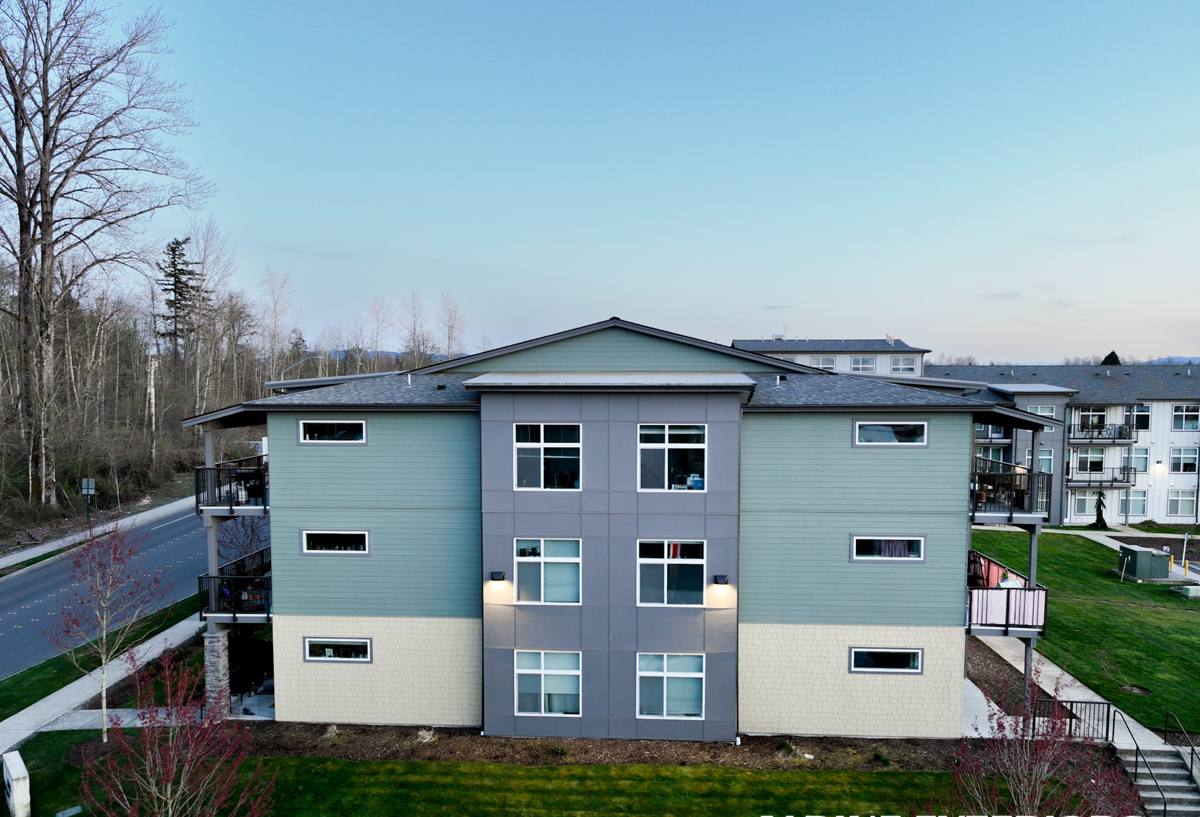
The Climate Factors Behind Every Installation Decision Here
Hurricane-Force Wind Loads
Florida's building code requires siding and its fastening pattern to meet specific wind-pressure and wind-borne debris standards, and that requirement doesn't ease up because a home sits on the bay side of the county rather than directly on the Gulf. Wind loads on an exposed Feather Sound property, particularly on taller walls or homes with fewer wind breaks nearby, can be a serious factor in how siding is fastened and detailed. A correct installation treats the code minimum as the floor, not the target, and pays attention to how each wall of a specific house is actually exposed.
Intense, Near-Constant UV
Pinellas County gets strong, direct sun for most of the year, and that steady UV load breaks down lower-grade siding finishes, caulk, and trim materials faster than it would in a less sun-intensive climate. Fading, chalking, and early caulk failure are the visible signs of a finish that wasn't built for this much sustained sun exposure. A factory-applied finish engineered for UV resistance holds its color and integrity longer than a field-applied coat that has to be redone on a maintenance schedule.
Wind-Driven Rain
Storms in this part of Florida rarely deliver rain straight down. Wind pushes it sideways into lap joints, trim seams, and anywhere the water-resistive barrier or flashing isn't doing its job. That's a harder test for an installation than annual rainfall totals suggest, because it's testing the seams and penetrations, not just the face of the siding.
Salt Air Off Tampa Bay
Even set back from the immediate shoreline, homes in Feather Sound take on salt-laden air as routine exposure. Salt accelerates corrosion on fasteners, flashing, and trim hardware, and it speeds up the breakdown of lower-grade finishes. Hardware and finish choices that work fine on an inland home don't necessarily hold up the same way this close to the bay.
What a Correct James Hardie Installation Actually Involves
We install James Hardie fiber cement exclusively, and the detail work below assumes that system, since it's the only one we install to spec on homes in this area.
Fastening to Wind-Pressure Spec
James Hardie publishes exact fastener type, spacing, and placement requirements, and those requirements shift based on the wind exposure and product line involved. Following that spec precisely, rather than a shortened version of it, is what keeps siding secure through hurricane-force wind events and what keeps the manufacturer's warranty valid if an issue ever comes up.
Clearances Above Grade and Roofline
Hardie specifies minimum clearance between siding and grade, roofing, decks, and other horizontal surfaces. Those clearances keep the bottom edge of the siding out of standing water and splash-back, which matters on any Florida property where landscaping, mulch beds, or a deck addition has changed the grade over the years.
Flashing and Sealant at Every Penetration
Windows, doors, vents, hose bibs, and light fixtures all interrupt the plane of the siding, and each one is a potential entry point for wind-driven rain if it's flashed or sealed incorrectly. This is the slowest, least visible part of an installation, and it's usually the part that determines whether wind-driven rain stays out of the wall assembly for decades or finds a way in within a few storm seasons.
Field-Cut Edges
Every panel cut made on site, whether around a window opening or at the end of a run, exposes a raw edge that has to be sealed or primed to Hardie's specification before it goes up. An unsealed field cut is one of the more common places fiber cement actually takes on water, and it has nothing to do with the material itself failing.
Installation Shortcuts That Fail Fastest in This Climate
| Shortcut | What it looks like on install day | How it shows up later in Feather Sound |
|---|---|---|
| Standard fasteners instead of corrosion-resistant hardware | No visible difference | Rust streaking and loosening panels within a few years, faster on bay-facing walls |
| Skipped clearance at grade or deck ledger | Siding looks flush and clean | Wicking, softness, and paint or finish failure at the bottom courses |
| Rushed or taped-over flashing at windows and doors | Looks sealed from outside | Hidden moisture intrusion, often not noticed until interior staining shows up |
| Unsealed field-cut edges | Cuts look clean and painted | Localized swelling or edge damage, especially on walls facing prevailing wind and rain |
| Panels installed without proper drainage detailing | Appears well-fitted | Trapped moisture behind the wall and slower drying after storms and routine humidity |
New Construction vs. Re-Siding an Existing Feather Sound Home
Installing siding on new construction and re-siding an existing home share the same standard for correct work, but they start from different places. New construction goes onto fresh sheathing with a new water-resistive barrier, so there's no guesswork about hidden conditions underneath, just careful sequencing. Re-siding an existing Feather Sound home means removing what's there and taking an honest look at what years of coastal exposure, prior repairs, or original construction shortcuts may have left behind — inadequate clearances, missing flashing, or a barrier that was never installed correctly in the first place. Both jobs get held to the same fastening and detailing spec; re-siding just adds a discovery step that new construction doesn't need.
Our Installation Process, Step by Step
- Site and exposure assessment — we look at how each wall of the specific property faces wind, sun, and the bay, since exposure varies even between homes on the same street.
- Tear-off and sheathing check — old siding comes off and the sheathing underneath gets inspected before anything new goes up, rather than covering up whatever is there.
- Weather barrier installation — the water-resistive barrier goes on with proper overlap and sealed seams at every joint and penetration, since this hidden layer does most of the real work against wind-driven rain.
- Siding installation to manufacturer spec — Hardie panels go up following the published fastening, spacing, and clearance requirements as the baseline, not as an upgrade option.
- Final walkthrough — we walk the completed job with the homeowner, confirm it matches what was estimated, and go over basic upkeep for a home in this exposure.
Timeline and Cost Factors for a Feather Sound Installation
Every estimate is specific to the house, but a few factors consistently affect both price and schedule on a Feather Sound project:
| Factor | Why it matters |
|---|---|
| Square footage and number of stories | More wall area and height mean more labor, and taller walls often need staging or lift access |
| Trim and detail complexity | More windows, corners, and roofline transitions mean more flashing and cutting work |
| Sheathing condition found during tear-off | Water damage from years of coastal exposure adds repair scope before new siding can go up |
| Wind and water exposure of the specific lot | Bay-facing or more open walls typically warrant closer attention to flashing and hardware selection |
| Product line and ColorPlus finish selection | James Hardie offers multiple panel styles, textures, and factory finish options at different price points |
Hurricane season also affects scheduling directly in this part of Florida. We build reasonable flexibility into project timelines rather than promising a fixed date that a named storm or a stretch of unworkable weather is likely to break.
A Checklist Before You Sign a Siding Contract
- Confirm the fasteners and hardware are rated for coastal or marine exposure, not standard-grade material
- Ask for documented clearance between the bottom of the siding and grade, decks, and roofing
- Verify flashing is visible and properly lapped at every window, door, and penetration before it gets covered
- Confirm all field-cut edges will be sealed or primed, not left raw
- Ask what wind-pressure rating applies to your specific property under current Florida Building Code
- Get a clear answer on what's covered under the material warranty versus the installation labor warranty
Why a Crew That Already Works Feather Sound Matters
Installation quality on paper and installation quality in practice aren't always the same thing, and the gap tends to show up fastest in a demanding coastal climate. A crew that regularly installs siding on homes exposed to this much wind, sun, rain, and salt air makes different judgment calls than one that installs here occasionally between jobs elsewhere: where extra flashing attention is worth the time, which hardware actually holds up on a bay-facing wall, and which details genuinely can't be shortened regardless of schedule pressure. That kind of judgment comes from doing this specific work repeatedly in this specific place, not from applying a generic installation checklist the same way everywhere.
If you're planning a new siding installation for a Feather Sound home, or want a straightforward opinion on whether an existing installation was done correctly, we're glad to come take a look. Reach out using the form below for a free, no-pressure estimate.