 Oldsmar Siding
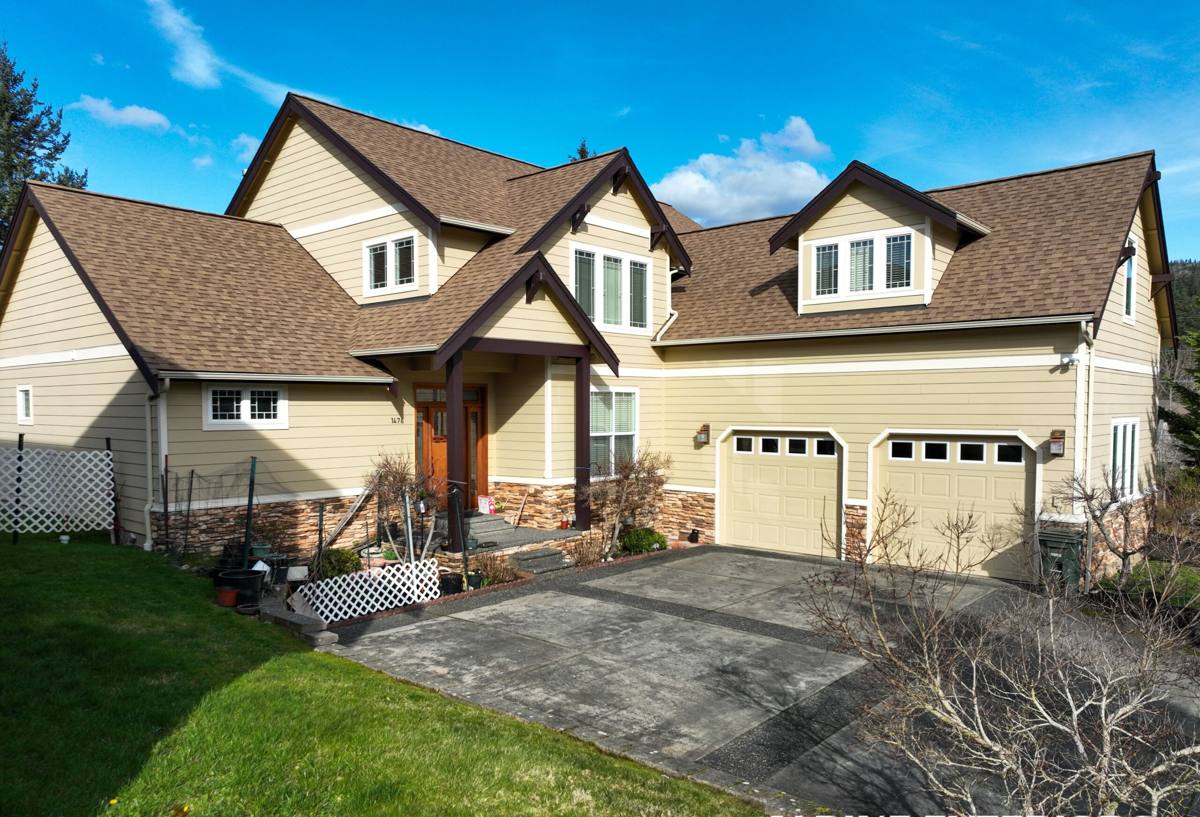
 Fiber Cement Siding for Eastlake Woodlands Homes
Eastlake Woodlands sits in one of the more established residential pockets of the Oldsmar area, with the kind of mature tree canopy, curving streets, and long-settled landscaping that make Pinellas County neighborhoods pleasant to live in — and hard on exterior building materials. Homes here face the same combination of punishing sun, wind-driven rain, and salt-tinged air that affects the whole Tampa Bay region, and siding that isn't engineered for that combination tends to show it early: fading, soft spots, swelling seams, and paint that won't hold.
We install James Hardie fiber cement siding, exclusively, and our crews already work in this part of Oldsmar. This page walks through what a correct fiber cement job actually involves here, why the material matters as much as the installation, and what to expect if you're considering a re-side.
What the Local Climate Actually Does to Siding
It's easy to think of "Florida weather" as one generic threat. In practice, a handful of specific conditions do the damage, and they hit siding in different ways:
- Hurricane-force wind: Even homes that never take a direct hit see repeated high-wind events that flex and pry at loosely fastened siding, work screws and nails backward over time, and drive rain sideways into any gap in the envelope.
- Year-round intense UV: Unlike northern climates with a real winter break, Pinellas County siding is under near-constant sun exposure. Pigments that aren't factory-baked for UV resistance chalk, fade, and lose adhesion faster here than almost anywhere else in the country.
- Wind-driven rain: Rain that hits a wall horizontally, not vertically, finds every seam, lap, and penetration a builder cut a corner on. Flashing and clearances matter more here than in a calmer climate.
- Salt air: Eastlake Woodlands isn't beachfront, but Pinellas County as a whole sits close enough to the Gulf that airborne salt still accelerates corrosion of fasteners, hardware, and any material sensitive to moisture-borne chloride.
None of these forces are unique to Eastlake Woodlands, but together they explain why siding that performs fine in a mild climate can fail early on a Gulf coast home — and why the product and the installation both need to be matched to this specific environment.
Why We Install Only James Hardie Fiber Cement
We don't install vinyl siding, LP SmartSide, Cemplank, Allura, or primed wood products, and we're upfront about why. Each of those materials has a reasonable use case somewhere — but on the Gulf coast, the trade-offs stack against them:
- Vinyl softens and warps in sustained heat, and high wind can pull it loose at the fastening strip long before the rest of the wall system fails.
- Wood-based and engineered wood products (like LP SmartSide) depend on an unbroken paint or coating layer to keep moisture out. In a climate with this much sun and humidity, that layer degrades faster, and once moisture gets into the substrate, the damage compounds.
- Other fiber cement brands use the same basic material science as Hardie, but we've standardized on Hardie specifically for its HZ5 climate-engineered formulation, its factory-applied ColorPlus finish, and its warranty structure — consistency matters more to us than shopping every job to the lowest-cost board.
James Hardie fiber cement is non-combustible, holds paint and factory color far longer than wood-based alternatives, and is manufactured in HZ5 formulations specifically engineered for high-humidity, high-moisture climates like ours. That's the product we stand behind, and it's the only one we put on a home.
ColorPlus Technology
Rather than field-painting siding after installation, Hardie's ColorPlus finish is baked on at the factory in multiple coats, cured, and backed by its own finish warranty. In a climate where UV breaks down field-applied paint faster than almost anywhere else in the country, a factory finish engineered for exactly that exposure is a meaningful advantage, not a marketing detail.
What a Correct Fiber Cement Installation Involves
Fiber cement siding is only as good as the installation behind it. The material is forgiving of Florida weather; sloppy installation is not. A correct job on an Eastlake Woodlands home includes:
- Proper clearances — siding held off the roofline, decks, and grade per manufacturer spec, so water has somewhere to go instead of wicking into the bottom edge of the board.
- Correct fastener pattern and type — corrosion-resistant fasteners, driven flush (not overdriven, which cracks the board's fiber structure), at the spacing Hardie specifies for high-wind zones.
- Weather-resistant barrier and flashing — a continuous water-resistive barrier behind the siding, with proper flashing at every window, door, and penetration, so wind-driven rain that reaches the seams still can't reach the sheathing.
- Correct joint treatment — butt joints flashed or sealed per spec, not just butted and caulked, since caulk alone is the first thing that fails under repeated UV and wind cycling.
- Factory-cut edges where possible — minimizing field cuts that expose unfinished fiber cement, and back-priming or sealing any cut edge that can't be avoided.
- On-site assessment: we inspect existing siding, sheathing, and trim condition, and identify any moisture damage that needs to be addressed before new siding goes on — new siding over a compromised substrate just hides the problem.
- Product and color selection: we walk you through Hardie's board profiles and ColorPlus palette, including HOA-compliant options where applicable.
- Substrate prep and repair: any rot, damaged sheathing, or failed flashing gets corrected before the new weather-resistive barrier goes on.
- Installation to manufacturer spec: clearances, fastening, and flashing done to Hardie's published requirements for our wind zone and climate.
- Final inspection and walkthrough: we review the finished job with you before considering it complete.
- Rinse the exterior periodically to clear salt residue and organic buildup, especially on sides of the home that face prevailing wind.
- Keep gutters and downspouts clear so water sheds away from the wall line instead of running down it.
- Have caulking at trim and penetration points inspected every few years — caulk is a maintenance item on any siding system, fiber cement included.
- Trim vegetation back from exterior walls so it doesn't trap moisture against the siding.
Skipping any one of these doesn't show up on installation day. It shows up two, five, or ten years later as a soft spot behind a window, a streak below a joint, or paint failure that starts exactly where a corner got cut.
Our Process in Eastlake Woodlands
Because our crews already work this part of Oldsmar, we're familiar with the practical realities of the neighborhood — mature landscaping close to the house that has to be protected during tear-off and install, the mix of home ages and existing siding types you'll find on a walk through the area, and the fact that many properties here fall under an HOA with its own architectural guidelines for exterior color and style. We factor all of that in before we quote the job, not after.
A typical project runs through these stages:
Comparing Siding Options for This Climate
| Factor | Vinyl Siding | Engineered Wood (LP SmartSide) | James Hardie Fiber Cement |
|---|---|---|---|
| High-wind performance | Prone to loosening or cracking in sustained gusts | Adequate if intact, but fastening is sensitive to install quality | Engineered and rated for high-wind installation when installed to spec |
| UV / color stability | Fades and can warp under prolonged heat | Depends entirely on field-applied paint holding up | Factory ColorPlus finish engineered for UV resistance |
| Moisture behavior | Doesn't absorb water but seams can trap it | Wood-based core is vulnerable once coating fails | Non-combustible, dimensionally stable, HZ5 formulated for humidity |
| Salt air / corrosion exposure | Material itself is inert but fasteners still corrode | Coating failure accelerates near coastal air | Designed with corrosion-resistant fastening in mind |
| Typical warranty structure | Prorated, material-only | Limited, often shorter | Long-term, transferable, non-prorated on material |
What Drives Cost on a Project Like This
Every Eastlake Woodlands home is different, and we don't quote sight-unseen, but the main factors that move a fiber cement project's cost are consistent:
| Cost Factor | Why It Matters |
|---|---|
| Home size and wall complexity | More corners, gables, and dormers mean more cutting, flashing, and labor time |
| Existing substrate condition | Rotted sheathing or failed flashing found during tear-off has to be repaired before new siding goes on |
| Board profile and accessory trim | Lap width, shake-style accents, and trim details affect material cost |
| Color selection | Standard ColorPlus colors versus custom or premium finishes |
| Access and site conditions | Mature landscaping, fencing, or tight setbacks common in established neighborhoods can add labor time |
Maintenance After Installation
One of the practical advantages of fiber cement in this climate is how little upkeep it demands compared to the alternatives. It doesn't need repainting on the schedule wood-based products do, and it isn't prone to the heat-warping that affects vinyl. That said, a few basics keep any siding performing well here:
Why the Local Crew Matters
Fiber cement is a forgiving, long-lasting material — but only when it's installed by people who understand the specific climate loads a Gulf coast home deals with. A crew that already works Eastlake Woodlands and the surrounding Oldsmar area has already worked through the practical details that matter here: HOA architectural review timelines, the mix of older and newer construction in established Pinellas County neighborhoods, and the wind and moisture exposure that's specific to this part of the coast. That familiarity shows up in fewer surprises during the job and a better outcome once it's done.
If you're weighing a re-side in Eastlake Woodlands, we're happy to take a look and give you a straight, no-pressure estimate — no invented urgency, just an honest read on your home's current siding and what a correct James Hardie installation would involve. Use the form below to get started.