 Oldsmar Siding
 Fiber Cement Siding Built for Forest Lakes' Florida Climate
Forest Lakes homes sit in one of the more demanding climates in the country for exterior building materials. Between the humidity that never really goes away, the salt-tinged air that drifts in off the Gulf, intense year-round UV, and the wind-driven rain that comes with every serious storm, the siding on a Forest Lakes home works harder than siding almost anywhere else in the country. We install James Hardie fiber cement siding exclusively in Oldsmar and the surrounding Pinellas County area, and Forest Lakes is a neighborhood where that decision matters in very practical, visible ways.
This page is about one service, in one place: fiber cement siding installation for homes in and around Forest Lakes. Not a general siding overview — the specific things a correct installation needs to account for here, what we actually do on the job, and why the crew doing the work should already know this neighborhood's housing stock before they ever price the job.
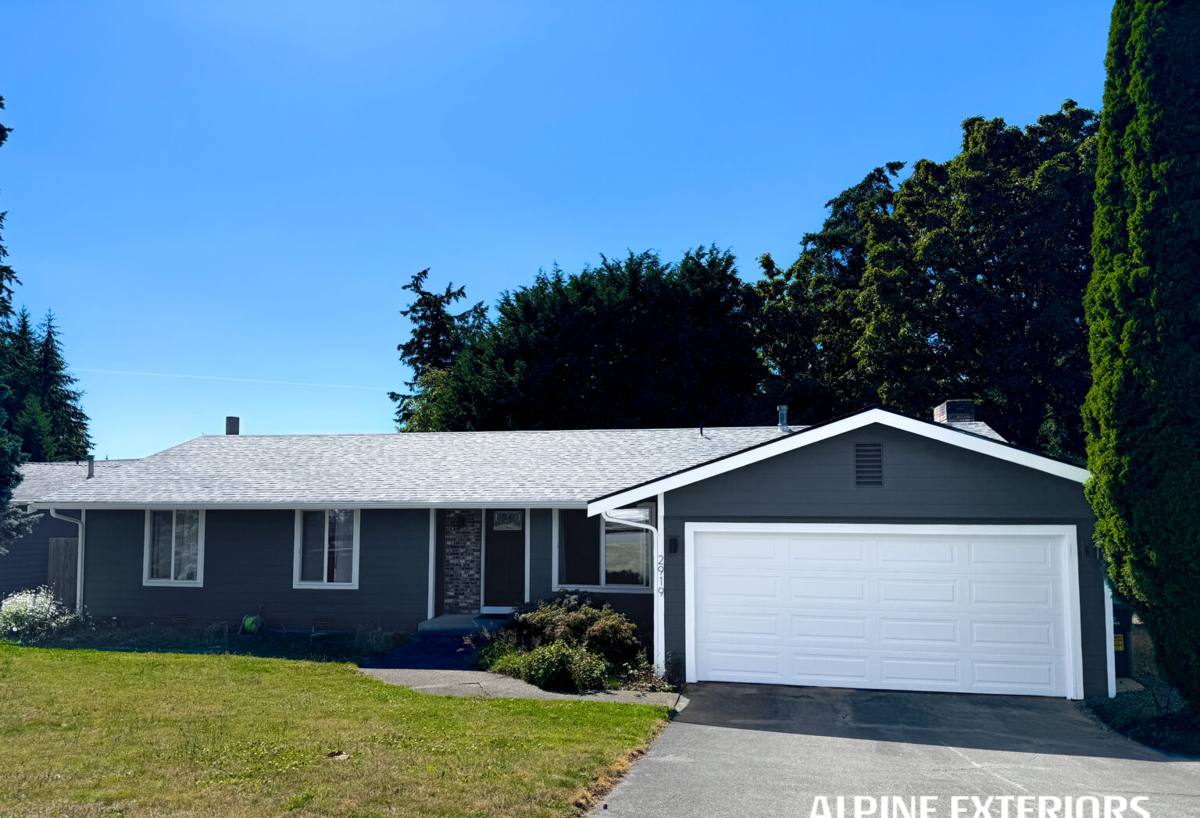
What Forest Lakes Homes Are Up Against
Every siding material sold in Florida claims to handle "Florida weather." Few of them are engineered for the specific combination of stresses a Forest Lakes home faces year-round.
Salt Air and Humidity
Even at a distance from open water, salt-laden air moves through Pinellas County on the prevailing breeze and settles on every exterior surface. Combined with near-constant humidity, that salt accelerates corrosion of fasteners and trim, and it degrades organic siding materials — wood, wood composites, and some engineered wood products — from the surface inward. Moisture that gets behind siding and can't dry out is the single biggest cause of premature siding failure in this region.
Year-Round UV
Florida doesn't get a real winter break from sun exposure. Paint films on wood and composite siding chalk, fade, and break down faster here than almost anywhere in the continental U.S., which is why repaint cycles on painted siding in this area tend to run shorter than manufacturers advertise.
Wind-Driven Rain
Rain in Pinellas County rarely falls straight down during a real storm. Wind pushes it sideways and up under laps, around trim, and into any gap in the water-management details behind the siding. A siding system is only as good as the drainage plane and flashing behind it — the visible surface is the last line of defense, not the first.
Hurricane-Force Winds
Oldsmar sits inland from the immediate coastline, but Forest Lakes still sees hurricane-force wind events and the pressure changes, wind-borne debris, and fastener stress that come with them. Siding that isn't fastened to spec, or that relies on adhesive strips and interlocking panels rather than mechanical fasteners driven into structural framing, is far more likely to lift, crack, or detach in these events.
Why We Install Only James Hardie Fiber Cement
We don't install vinyl, LP SmartSide, primed wood, or cedar on Forest Lakes homes, and it's a deliberate professional standard, not a sales preference. Fiber cement is cement, sand, and cellulose fiber — it doesn't rot, it doesn't provide a food source for insects, and it's non-combustible. Against the specific stresses above, that matters:
- It doesn't absorb moisture the way wood-based products do, so humidity and salt air don't drive the same rot and swelling cycle.
- James Hardie's ColorPlus factory-applied finish is baked on and warranted separately from the substrate, which holds up better against year-round UV than field-applied paint.
- Hardie's HZ10 product line is specifically formulated for Florida's climate zone — heat, humidity, and moisture exposure — rather than a one-size-fits-all national product.
- Properly fastened fiber cement has a strong track record in high-wind regions when installed to the manufacturer's specified nailing pattern and fastener embedment.
None of that means every fiber cement job performs the same. The material is only as good as the installation behind it, which is the part most homeowners never get to inspect before it's covered up.
What a Correct Fiber Cement Installation Actually Involves
Moisture Barrier and Clearances
Before a single piece of siding goes up, the wall needs a continuous weather-resistant barrier, properly lapped and sealed at every penetration. Fiber cement siding also needs minimum clearances from roof lines, decks, and grade — skip these and you create a spot where water sits against the bottom edge of the panel indefinitely.
Fastening Pattern
James Hardie specifies fastener type, spacing, and embedment depth for a reason — it's what keeps panels attached during wind events and prevents the panel cracking that comes from over-driven or under-driven nails. This is one of the most commonly shortcut steps on rushed jobs because it's invisible once the job is done.
Joints, Caulking, and Butt Joints
Every horizontal and vertical joint is a potential water entry point. Correct installation means factory-primed or factory-finished cut edges get sealed, joints are flashed or caulked with a product rated for the movement fiber cement goes through seasonally, and butt joints are staggered so water doesn't have a straight path into the wall assembly.
Flashing at Windows, Doors, and Penetrations
Wind-driven rain finds every gap around openings. Flashing tape, drip caps, and proper head/jamb/sill details around every window and door are what actually keep water out — the siding itself is secondary to these details being right.
Fiber Cement vs. Other Siding Options for Forest Lakes
| Factor | James Hardie Fiber Cement | Vinyl | LP SmartSide / Wood Composite |
|---|---|---|---|
| Moisture & humidity resistance | Does not absorb moisture or rot | Resists moisture but can warp/melt with heat | Vulnerable to swelling and rot if seals fail |
| UV/fade resistance | Factory ColorPlus finish, warranted | Color can fade and become brittle over time | Field-applied paint fades faster in constant sun |
| Wind performance | Mechanically fastened to framing | Interlocking panels, more prone to lifting | Depends heavily on fastening and edge sealing |
| Combustibility | Non-combustible | Combustible | Combustible |
| Maintenance burden | Occasional wash, no repainting for years | Low maintenance, but damage often means full-panel replacement | Ongoing caulk and paint maintenance to prevent moisture entry |
Cost Factors for a Forest Lakes Fiber Cement Project
Every Forest Lakes home is different, and we won't quote a number without seeing the house, but these are the factors that actually move the price:
| Factor | Why It Matters |
|---|---|
| Home size and wall complexity | More corners, gables, and dormers mean more cutting, flashing, and labor time |
| Condition of the existing wall | Rotted sheathing or old moisture damage found during tear-off needs repair before new siding goes on |
| Siding profile and accessories | Lap width, trim style, and soffit/fascia work all affect material and labor cost |
| Access and site conditions | Landscaping, fencing, tight lot lines, and staging space affect crew efficiency |
| Color and finish choice | Factory ColorPlus finishes cost more upfront than primed siding but remove a future repaint cycle |
Our Process, From Estimate to Finished Wall
We start with an on-site look at the home, not a phone estimate, because the condition of the wall behind the existing siding is what actually determines scope. From there:
- We inspect the existing siding, trim, and sheathing for hidden moisture damage before quoting.
- We walk you through James Hardie product and color options that fit the home and the neighborhood.
- We remove old siding, repair or replace any damaged sheathing, and install a continuous weather barrier.
- We install the fiber cement siding to James Hardie's fastening and clearance specifications, with proper flashing at every opening.
- We do a final walk-through with you before we consider the job complete.
Every step is done with Pinellas County's permitting and wind requirements in mind, since a Forest Lakes home's siding has to meet the same wind-load expectations as the rest of the region's building code, regardless of how far inland it sits.
Keeping Your Siding in Top Shape
Fiber cement is low-maintenance compared to wood or painted composites, but "low-maintenance" isn't "no-maintenance." A few habits go a long way in this climate:
- Rinse the exterior periodically to clear salt residue and airborne grime before it builds up.
- Keep sprinklers and irrigation heads from spraying directly on the siding — constant wetting shortens the life of any caulking or sealant.
- Trim back landscaping that holds moisture against the wall or blocks airflow along the siding.
- After major storms, do a visual check for cracked panels, loose trim, or gaps around windows and doors.
- Address any caulking or flashing issue quickly — small water intrusion problems stay small if they're caught early.
Why Local Experience in Forest Lakes Matters
A crew that already works in Forest Lakes and the greater Oldsmar area knows the age and construction style of homes in this part of Pinellas County, which affects what's usually found once old siding comes off. That local familiarity means fewer surprises, a more accurate estimate up front, and a crew that already understands the practical realities of working on lots and homes like the ones in this neighborhood — rather than learning the area on your job.
If you're weighing a siding replacement in Forest Lakes, we're happy to come take a look, walk the property with you, and put together a straightforward, no-pressure estimate. There's no obligation — just a clear look at what your home needs and what correct James Hardie fiber cement installation would involve. Use the form below to request your free estimate.