 Oldsmar Siding
 New-Construction Windows in Forest Lakes: What the Term Actually Means
"New-construction window" doesn't just mean a window going into a brand-new house. In the trade, it refers to a specific installation method: a window with a nailing fin (sometimes called a flange) built into the frame, installed into a stud opening that's been stripped down to bare framing and building wrap. That's different from a "replacement" or "pocket" window, which gets inserted into an existing frame that stays in place.
In Forest Lakes, we see this method used in a few situations: actual new builds, room additions, and full renovations where a homeowner is down to the studs and wants the opening done right instead of just swapped out. If your project falls into any of those categories, new-construction installation is almost always the better long-term choice, because it lets us integrate the window with the wall's water and air barrier from scratch instead of working around what's already there.
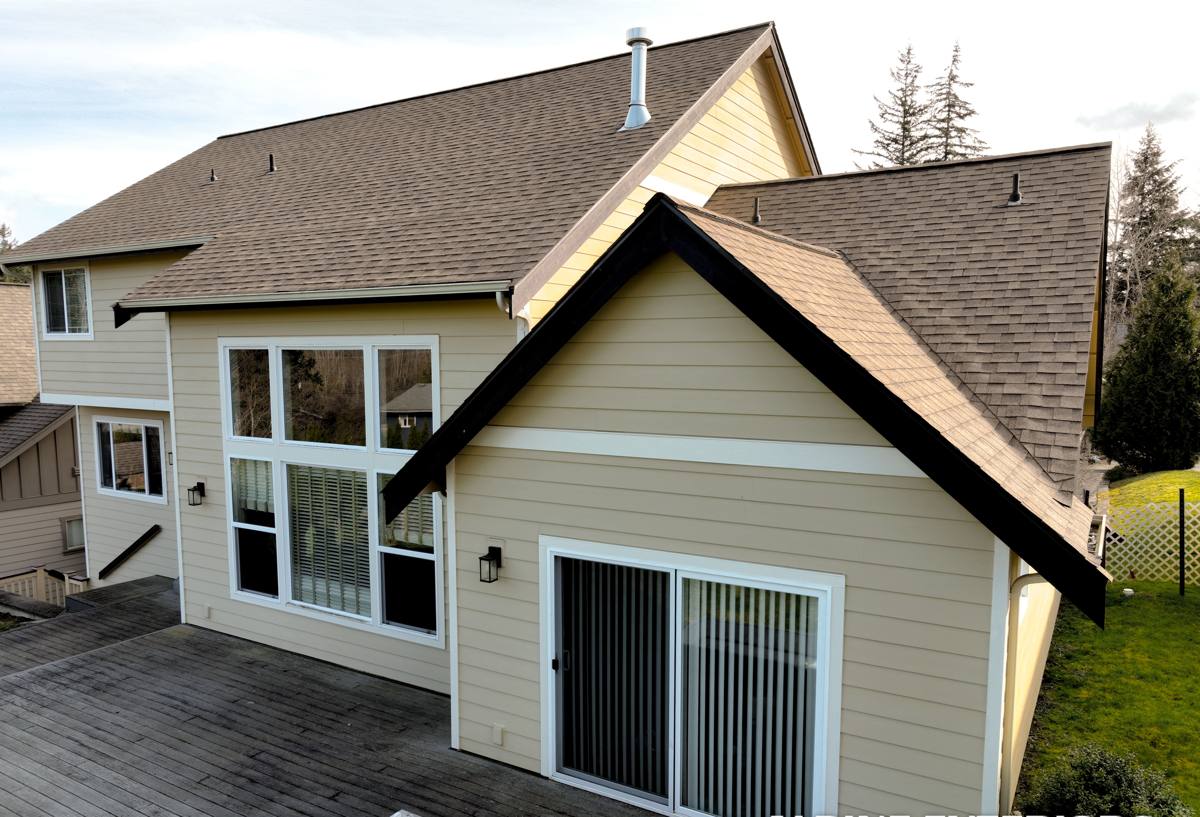
Why This Matters More in Oldsmar Than in a Lot of Places
Pinellas County sits in a wind-borne debris region under the Florida Building Code, and Oldsmar's position near Old Tampa Bay means homes here deal with a specific combination of stresses: hurricane-force wind gusts, wind-driven rain that gets pushed sideways into wall assemblies, intense UV exposure nearly year-round, and salt-laden air off the bay that accelerates corrosion on fasteners, hardware, and untreated metal. Any one of those on its own is manageable. Together, over years, they expose every shortcut in a window installation.
A new-construction window that's flashed correctly sheds wind-driven rain before it ever reaches the framing. One that's flashed wrong — reversed lap, missing pan flashing, tape that wasn't compatible with the housewrap — will look fine for a season or two and then start showing water staining on interior sills or soft spots in the surrounding drywall. Because we're working down to the studs on these jobs, there's no excuse for cutting that corner; everything is visible and accessible while the work is happening.
The Salt Air Factor
Homes closer to Old Tampa Bay see faster corrosion on exposed steel screws, cheap hinge hardware, and unprotected aluminum. For new-construction installs in this area we pay attention to fastener material and window hardware quality up front, since replacing corroded components later means pulling trim and disturbing a flashing system that was otherwise working fine.
Florida Code Requirements You Should Know About
Pinellas County is not in the state's High-Velocity Hurricane Zone (that's Miami-Dade and Broward), but it is still governed by the Florida Building Code's wind-borne debris provisions. Practically, that means:
- Windows installed in Oldsmar need a Florida Product Approval (an "FL number") documenting that the specific window model meets the wind pressure and impact requirements for this region.
- Openings must either use impact-rated glazing or be paired with code-approved protection (rated shutters or panels) that can be deployed before a storm.
- Design pressure ratings have to match the wind zone and the building's height and exposure category — this isn't a "pick whatever looks strong" decision, it's a calculation.
- New-construction and major renovation work requires a permit and inspection through the local building department, not a judgment call about whether the job is "big enough" to need one.
Skipping the permit is a real risk on a house — it can complicate a future sale, void manufacturer warranties, and leave you with an installation nobody has verified against code. We pull permits and schedule inspections as a standard part of the process, not an add-on.
New-Construction vs. Replacement: Why the Method Matters
| Factor | New-Construction (Nailing Fin) | Replacement (Pocket/Insert) |
|---|---|---|
| Wall opening | Stripped to studs, fully exposed | Existing frame stays in place |
| Flashing integration | Direct tie-in with housewrap and pan flashing | Limited by what's already there |
| Opening size correction | Possible while framing is exposed | Generally not possible |
| Best used for | New builds, additions, full renovations | Occupied homes keeping existing openings |
| Interior/exterior disruption | More involved, but more thorough | Faster, less invasive |
Neither method is "wrong" — they're suited to different situations. The mistake is using a pocket install where the wall is already open to the studs, because it skips the chance to correct flashing or framing issues that a nailing-fin install can address directly.
What a Correct Installation Actually Involves
Opening Preparation
Before a window ever gets set, the rough opening needs to be square, plumb, and properly sized to the manufacturer's specifications. We check framing condition here, since Forest Lakes has a mix of home ages and any moisture damage or settling around an opening needs to be addressed before a new window goes in, not covered up by it.
Flashing and Water Management
This is the step that determines whether a window performs in wind-driven rain. It typically follows this order: sill pan flashing first, then the window set into the opening, then side flashing lapped over the nailing fin, then head flashing lapped over the side flashing, integrated with the house's weather-resistant barrier in the correct shingle-style overlap so water is always directed outward and down.
Fastening and Sealing
Nailing fins get fastened per the manufacturer's schedule — spacing and fastener type matter for the window's tested wind rating, so substituting or skipping fasteners isn't a minor shortcut, it can invalidate the product approval. Sealant goes at specific points, not smeared everywhere, since over-sealing can trap moisture instead of managing it.
Insulation and Interior Finish
The gap between the frame and rough opening gets insulated with a low-expansion product suited for window installation, then trimmed out. Over-filled expanding foam can bow a frame and cause a window to bind or operate poorly.
Choosing Window Products for This Climate
Frame material and glazing choice both affect how a window holds up to Oldsmar's combination of UV, humidity, and salt air.
- Vinyl — Low maintenance, resists corrosion entirely since there's no metal to rust, and performs well in this climate. Quality varies significantly between manufacturers, so we specify products with UV-stabilized formulations rather than builder-grade vinyl that can discolor or become brittle over time.
- Aluminum — Strong and slim-profile, which some homeowners prefer for larger openings, but it conducts heat and requires attention to hardware quality near the bay to manage corrosion over the long run.
- Fiberglass — Dimensionally stable across temperature swings and holds paint well, at a higher price point than vinyl.
On glazing, impact-rated glass is worth serious consideration for new-construction projects in this area — it satisfies the wind-borne debris requirement without relying on shutters being deployed before every storm, and it also cuts down on UV transmission and outside noise. It costs more upfront than standard glass paired with separate shutter protection; which route makes sense depends on your budget and how the rest of the home is being protected.
Our Process, Start to Finish
- On-site walkthrough to assess framing, openings, and any structural or moisture concerns
- Written estimate covering products, design pressure ratings, and scope — no vague allowances
- Product selection based on your budget, the home's exposure, and code requirements
- Permit filed with the local building department before work begins
- Removal and framing prep, with any damaged material addressed before new windows go in
- Installation following manufacturer flashing and fastening specifications
- Interior and exterior finish work
- Final walkthrough with you, followed by the code-required inspection
What Drives the Cost
| Cost Factor | Why It Matters |
|---|---|
| Frame material | Vinyl, aluminum, and fiberglass carry different material and labor costs |
| Glazing type | Impact-rated glass costs more than standard glass plus separate shutters |
| Number and size of openings | Larger and more numerous windows scale both material and labor |
| Framing condition | Repair work needed before installation adds time and material |
| Design pressure rating required | Higher-rated products for larger or more exposed openings cost more |
| Permit and inspection scope | Full renovations may trigger a broader permit review than a single opening |
We don't quote a flat per-window price sight unseen, because the honest number depends on all of the above. What we can promise is a written estimate that spells out exactly what's included before any work starts.
Why Hiring Locally-Experienced Matters for This Job
New-construction window work sits at the intersection of code compliance, water management, and finish carpentry — get any one of those wrong and the problem doesn't show up until the next big storm. A crew that regularly works in Oldsmar and across Pinellas County already knows the local permitting process, what inspectors here are checking for, and how homes in this area typically handle wind-driven rain and salt exposure. That's not something a crew coming from outside the region picks up on the first job. For Forest Lakes specifically, that local familiarity means fewer surprises during permitting and an installation built for the conditions your home actually faces, not generic assumptions.
If you're planning a new build, an addition, or a renovation in Forest Lakes that involves new-construction windows, we're happy to walk the site, look at your openings, and put together a straightforward, no-pressure estimate. Use the form below to get started.