 Oldsmar Siding
 Carrollwood's Climate Is Hard on Exterior Siding
Homes in and around the Carrollwood area sit in the same demanding Tampa Bay climate that tests every exterior surface on a house: long stretches of intense UV exposure, humidity that rarely lets up, wind-driven rain during summer storms, and the occasional direct hit from hurricane-force wind. Add in the salt-laden air that drifts inland from the Gulf, and you have a combination that most siding materials simply were not built to handle for the long haul. Cheaper siding systems fade, warp, absorb moisture, or lose their fasteners years before a homeowner expects to be dealing with a repair bill.
We install James Hardie fiber cement siding exclusively, and we install it a lot in this part of Pinellas County. That matters for two reasons: the product itself is engineered for hot, wet, storm-prone climates, and a crew that regularly works this specific area knows how local homes are built, what inspectors look for, and where older installations tend to fail first.
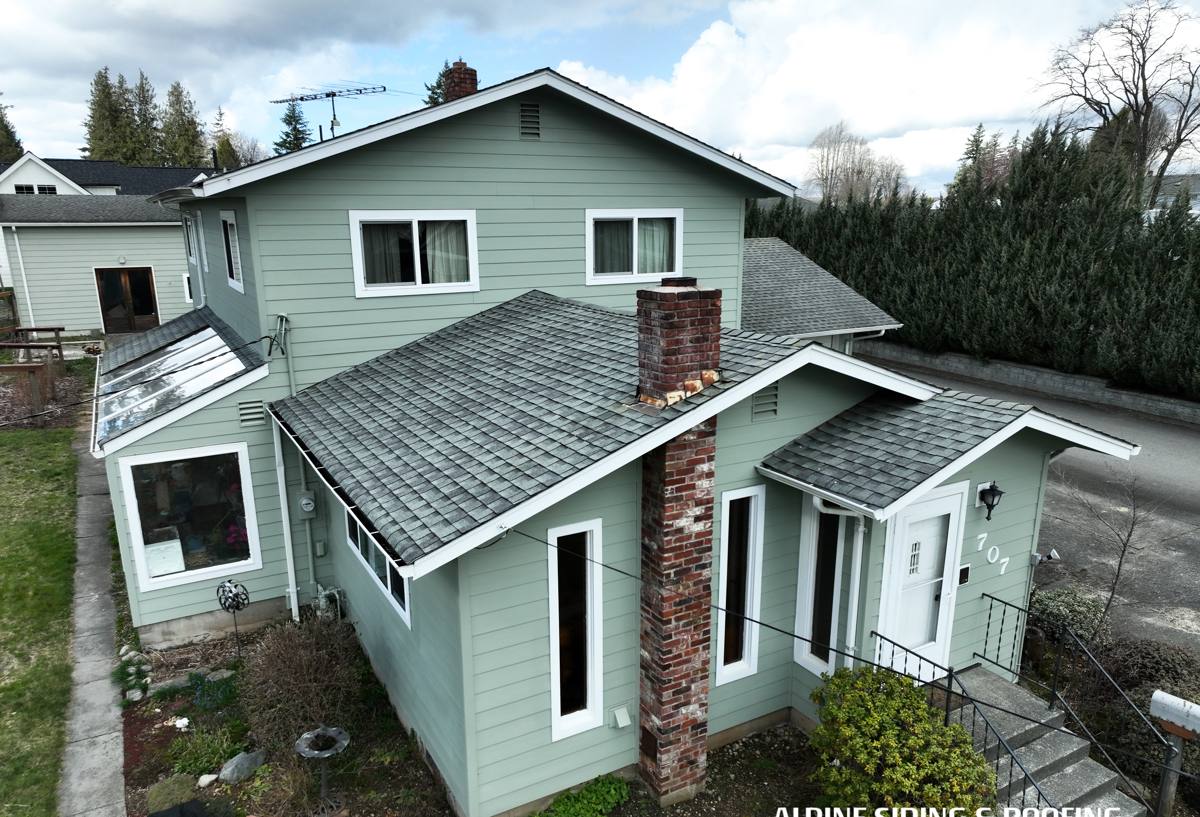
Why We Only Install James Hardie — No Vinyl, No LP SmartSide
We get asked fairly often why we don't offer vinyl siding or engineered wood products like LP SmartSide as lower-cost alternatives. Both have legitimate uses in the right climate. Vinyl is light and inexpensive, but it softens and can warp under sustained direct sun and doesn't take a wind-blown impact well. Engineered wood siding relies on a wood-strand core that has to stay properly sealed and painted to resist moisture; in a climate with this much humidity and rain, that maintenance margin for error is thin.
James Hardie's fiber cement is made from cement, sand, and cellulose fiber. It doesn't rot, it isn't attractive to wood-destroying insects, and it doesn't soften in heat. That combination is why we standardized on it rather than carrying multiple product lines — it's the one system we're comfortable putting our name behind for this climate.
What Fiber Cement Gets Right for This Area
- Non-combustible material — a genuine advantage in a state where wildfire and lightning-strike house fires both occur
- Holds paint and factory finish far longer than wood-based siding in high-UV, high-humidity conditions
- Engineered thickness and density resist wind-driven rain intrusion better than thin-gauge vinyl
- Doesn't provide a food source for termites or wood-boring insects, common in warm coastal regions
Hardie's Climate-Engineered Product Lines
James Hardie makes region-specific formulations under its HardieZone system, and installers are supposed to spec the right one for the climate rather than using a single national product everywhere. For the Tampa Bay area, that means the HZ5 formulation, engineered for high-humidity, high-moisture climates rather than the HZ10 formulation used in drier, freeze-prone regions.
| Product Line | Typical Use | Why It Fits Carrollwood |
|---|---|---|
| HardiePlank Lap (HZ5) | Primary wall cladding | Most common Florida application; resists moisture and humidity swings |
| HardieShingle | Accent gables, dormers | Adds architectural detail without introducing a different material |
| HardiePanel / Board & Batten | Modern or vertical-accent facades | Popular on updated ranch and contemporary remodels in the area |
| HardieTrim | Corners, fascia, window trim | Matches the plank system so trim doesn't fail before the field siding does |
All of these are available with ColorPlus Technology, Hardie's factory-applied finish that's baked on rather than field-painted. In a climate where UV breaks down field-applied paint faster than in most of the country, a factory finish with its own multi-year warranty is a meaningful difference, not a marketing detail.
What a Correct Installation Actually Involves
Fiber cement siding's reputation is built on Hardie's manufacturing standards, but its real-world performance depends almost entirely on installation quality. This is the part of the job most homeowners never see, and it's where we see the biggest gap between a siding job that lasts twenty-plus years and one that starts failing in five.
The details that matter most in this climate
- Proper clearance — siding kept off the ground, roofline, and hardscape at the gaps Hardie specifies, so wind-driven rain doesn't wick up into the bottom edge
- Correct fastening — nails or screws set to Hardie's pattern and depth; over-driven or under-driven fasteners are one of the most common causes of early failure
- Weather-resistive barrier and flashing — a continuous drainage plane behind the siding so any moisture that does get past the cladding has somewhere to go
- Field-cut edges sealed or primed — factory finish protects the face of the board, but a cut edge left bare is a moisture entry point
- Butt joints and penetrations properly flashed — every window, vent, and hose bib penetration is a potential leak path if not detailed correctly
None of this is exotic. It's just easy to rush, and rushing is exactly what shows up as cracked caulk lines, staining, and soft trim boards a few years after a lower-quality install.
What We See Going Wrong on Older Homes in This Area
When we're called out to look at existing siding in the Carrollwood area, a handful of problems come up repeatedly: siding installed tight to the ground or driveway with no drainage gap, caulk used as a substitute for proper flashing, and fasteners driven through the wrong zone of the board. On homes with older wood or engineered-wood siding specifically, we also see moisture damage at butt joints and corners that went unnoticed until the paint film failed and exposed the substrate underneath. These aren't defects in the material as much as they are installation shortcuts that a humid, storm-exposed climate exposes faster than a milder one would.
Our Process for a Carrollwood-Area Siding Project
- On-site assessment — we inspect existing siding, sheathing, and trim condition, and check for moisture or rot before quoting anything
- Product and color selection — walking through HZ5 plank profiles, trim options, and ColorPlus color choices for your home
- Tear-off and substrate check — removing old siding gives us a direct look at the sheathing and framing, which a re-side over existing material never does
- Weather barrier and flashing installation — the drainage plane goes in before a single piece of Hardie touches the wall
- Siding installation to Hardie spec — correct clearances, fastening pattern, and joint treatment throughout
- Final detailing and cleanup — trim, caulking at the right joints only, and job-site cleanup including nail and debris sweep
Maintenance and Warranty Realities
One of the appeals of fiber cement in this climate is how little ongoing maintenance it asks for compared to wood-based products. It doesn't need repainting on the schedule that primed wood or engineered wood siding does, and ColorPlus finishes are warrantied separately from the substrate itself. That said, "low maintenance" doesn't mean "no maintenance" — gutters that overflow onto siding, sprinkler heads that spray the wall directly, and vegetation left to grow against the house will shorten the life of any siding material, Hardie included. A simple annual walk-around to check caulk lines and clear debris from the base of the walls goes a long way in this climate.
James Hardie's warranty coverage is transferable to a subsequent homeowner within the coverage period, which matters in a market where houses change hands. Keeping documentation of who installed the siding and when is worth doing for that reason alone.
What Drives the Cost of a Siding Project Here
| Factor | Why It Matters Locally |
|---|---|
| Tear-off vs. new construction | Removing old siding and repairing any hidden sheathing damage adds labor but avoids covering up existing problems |
| Home size and wall complexity | Gables, dormers, and multiple trim details increase both material and labor time |
| Product line mix | Combining plank, shingle accents, and trim costs more than a single flat product but adds architectural detail |
| Color and finish | ColorPlus factory finishes vary slightly by color and profile availability |
| Access and site conditions | Lot size, landscaping, and proximity to neighboring structures affect setup and staging time |
We give firm, itemized quotes after an in-person assessment rather than a phone estimate — there's too much variation from house to house in this area to quote accurately any other way.
Why a Crew That Already Works This Area Is Worth Choosing
A contractor who regularly works the Carrollwood and greater Oldsmar area has already dealt with the permitting process for this jurisdiction, understands the wind-load and fastening requirements the Florida Building Code applies to this region, and has seen how local house styles — from older block ranch homes to newer builds — typically need to be detailed. That local repetition is what keeps a job from turning into a learning experience at the homeowner's expense. It also means someone is genuinely reachable afterward if a question comes up about a warranty, a repair, or a color match down the road.
Questions Worth Asking Any Siding Contractor Before You Hire
- Are you a factory-certified James Hardie installer, and can you explain why you'd use HZ5 in this climate specifically?
- Will you remove existing siding to inspect the sheathing, or install over it?
- What's your fastening and flashing detail at butt joints and penetrations?
- Is your quote itemized, and does it specify product line, color, and trim package?
- Are you licensed and insured to work in Pinellas County, and can you provide proof?
If your home's siding is showing its age, or you're planning ahead for a full replacement, we're glad to come take a look and walk you through what we'd recommend for your specific house. There's no cost and no pressure for the estimate — just a straight answer about what your home needs.