 Oldsmar Siding
 James Hardie Siding, Installed by a Crew That Already Works Land O' Lakes
Land O' Lakes homeowners deal with the same punishing exterior conditions as the rest of the greater Tampa Bay area: long stretches of intense UV, sudden hurricane-force wind events, wind-driven rain that gets pushed sideways into wall assemblies, and salt-laden air that migrates further inland than most people expect. Siding here isn't just a cosmetic choice — it's the first line of defense for the wall system behind it. We install James Hardie fiber cement siding exclusively, and we bring a crew that's worked this specific area enough to know how local homes are built, where they tend to take on water, and what it actually takes to make a siding job hold up through a full Florida hurricane season.
This page focuses on one thing: what a correctly done James Hardie siding job looks like on a Land O' Lakes home, and why the details matter more here than they do in milder climates.
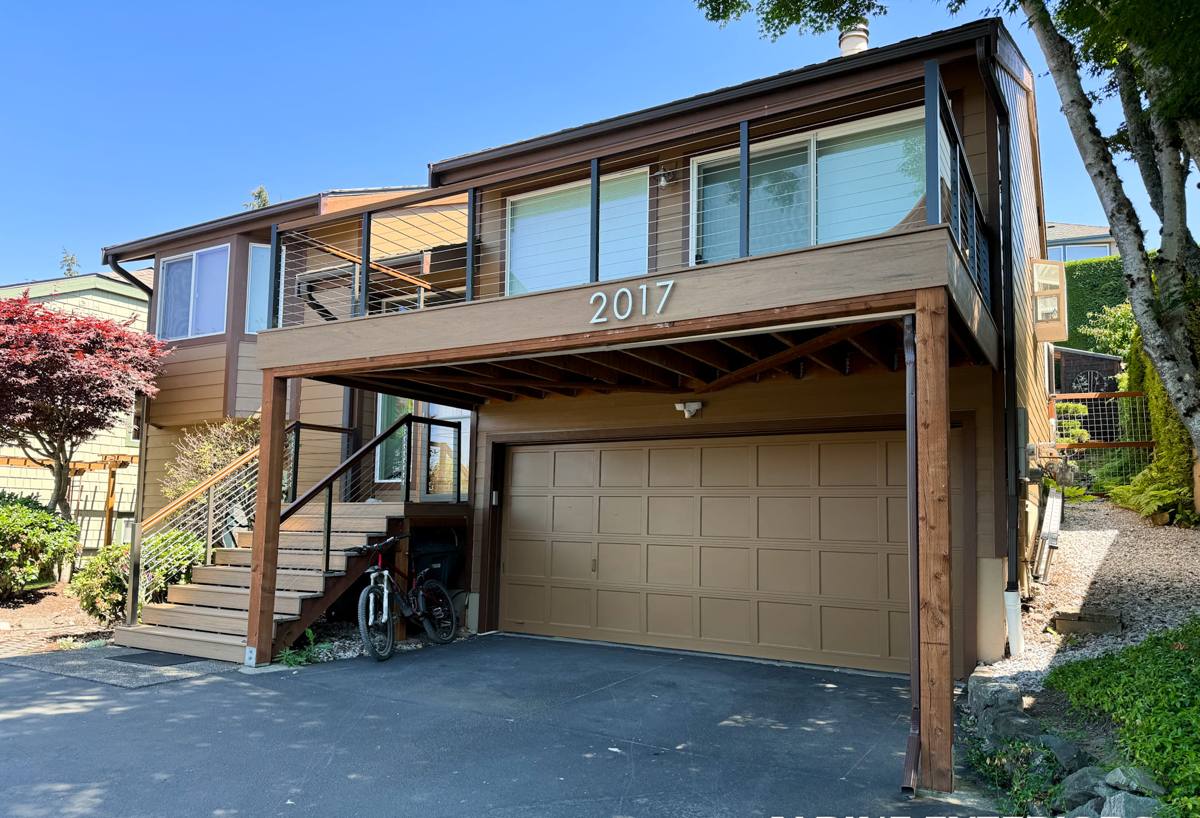
What This Climate Actually Does to Siding
It helps to be specific about the stress this region puts on an exterior wall, because it explains almost every decision we make on a job.
UV and Heat Cycling
Florida sun is relentless nearly year-round. Cheaper siding materials and field-applied paint jobs chalk, fade, and break down under that UV load faster than manufacturers' marketing suggests. Siding also expands and contracts daily as surface temperatures swing between shaded and direct-sun exposure — fasteners, joints, and caulking all have to tolerate that movement without failing.
Wind-Driven Rain
During tropical storms and hurricanes, rain doesn't fall straight down — it's driven sideways under pressure, which means it gets forced into laps, seams, and any gap around penetrations (light fixtures, hose bibs, vents). A siding system is only as good as its water management details: house wrap, flashing, and proper lap sequencing matter more than the siding material itself in a wind-driven rain event.
Salt Air and Humidity
Land O' Lakes sits inland of the immediate coast, but Gulf-influenced salt air and Florida's baseline humidity still reach this far. Combined with near-constant moisture in the air, any siding material that absorbs water or relies on a field-applied finish is working against the climate from day one.
Named Storm Wind Loads
Hurricane-force gusts put direct pressure and uplift on siding panels and their fasteners. Installation that doesn't follow manufacturer fastening schedules and local wind-load requirements is the single most common reason siding fails in a storm — not the material itself.
Why We Standardized on James Hardie for Homes Like These
We don't install vinyl, LP SmartSide, Cemplank, Allura, or wood siding. That's not a marketing position — it's a decision built around what actually holds up under the conditions above.
- Non-combustible fiber cement — Hardie's core material doesn't burn, warp, or soften in heat the way vinyl and engineered wood products can.
- Engineered for moisture — fiber cement doesn't swell, rot, or invite the moisture-related failures that wood-based siding is prone to in humid climates.
- ColorPlus factory-baked finish — the color is baked on in a controlled factory process, not field-applied, which gives it far better UV and fade resistance than site-painted alternatives.
- HZ climate-engineered product lines — Hardie makes versions of its siding specifically engineered for hot, humid, high-moisture regions like ours (HZ10), rather than a single generic formulation for the whole country.
- Strong transferable warranty — backed by a manufacturer with decades of track record in exactly this climate zone.
Every one of those points is a direct answer to a specific problem this climate creates. That's the whole reason we refuse to install anything else.
What "Correct" Actually Means on a Land O' Lakes Installation
Most siding failures we get called out to inspect aren't material failures — they're installation failures. The material was fine; the process behind it wasn't. On a job in this area, correct installation includes:
Water Management Before the First Panel Goes Up
A weather-resistive barrier (house wrap) installed with proper overlap, correctly flashed windows, doors, and penetrations, and rain screen or drainage detailing where the assembly calls for it. If this layer isn't right, no siding material — Hardie or otherwise — will keep water out long-term.
Fastening to Manufacturer and Wind-Zone Spec
Hardie publishes specific fastener types, spacing, and embedment requirements, and those requirements shift based on local wind exposure. Panels fastened too loosely, too sparsely, or with the wrong fastener type are the most common cause of blow-off in a named storm — this is a detail that simply cannot be eyeballed.
Proper Clearances and Gaps
Hardie siding needs clearance from grade, roofing, decks, and other trim elements, plus expansion gaps at butt joints that get properly caulked and painted. Skipping these clearances is a slow-motion mistake — it doesn't fail on day one, it fails two or three years in when moisture has had time to wick up into the bottom of the panel.
Correctly Sealed and Caulked Joints
Every seam, corner, and penetration needs the right sealant, applied correctly, not just enough to look finished. In wind-driven rain, a poorly sealed joint is a direct path for water into the wall cavity.
Matching Product Line to Exposure
Not every elevation of a home takes the same weather exposure. Southern and western exposures see the harshest sun; the sides that face prevailing storm wind take the worst wind-driven rain. Panel selection, fastening, and detailing should account for that, not treat every wall the same.
Our Process on a Land O' Lakes Home
- On-site assessment — we look at your home's current siding or sheathing condition, wall assembly, exposure on each elevation, and any existing moisture or rot issues before quoting anything.
- Scope and product selection — we walk you through which Hardie product line and profile fits your home and budget, and explain the trade-offs plainly.
- Tear-off and substrate check — old siding comes off, and we inspect sheathing for hidden water damage before closing anything up. Problems found here get flagged and addressed, not covered over.
- Water management install — house wrap, flashing, and drainage detailing done to spec, since this is the layer that actually keeps a home dry.
- Hardie installation to manufacturer spec — correct fastening schedule, clearances, and joint treatment for our wind zone.
- Finish work and walkthrough — caulking, touch-up, trim, and a final walkthrough so you know exactly what was done and why.
Cost Factors to Understand Before You Budget
Every home is different, so we won't quote a number without seeing your house — but these are the variables that actually move the price, so you know what you're paying for and why.
| Factor | Why It Matters |
|---|---|
| Home size and elevation complexity | More corners, gables, and dormers mean more cutting, flashing, and labor time |
| Current substrate condition | Rotted or damaged sheathing found during tear-off adds repair scope before siding can go on |
| Product line and profile | Lap width, texture, and trim style all affect material cost |
| Existing siding removal | Full tear-off of old material costs more than installing over a prepped, sound substrate |
| Trim and accessory scope | Fascia, soffit, and trim work bundled into the job changes overall cost |
Questions Worth Asking Any Contractor Before You Sign
- Are you a certified James Hardie installer, and can you explain the fastening spec you'll use for this specific wall exposure?
- What water-resistive barrier and flashing details will you use around windows, doors, and penetrations?
- Will you inspect the sheathing before closing up the wall, and what happens if you find rot or damage?
- What clearances will you maintain from grade, roofline, and decking?
- What does the manufacturer's warranty actually cover, and what could void it?
Why Local Experience in This Area Matters
A crew that regularly works homes in and around Oldsmar and Land O' Lakes has already seen how local construction, sun exposure, and storm patterns interact with siding here — which elevations take the worst weathering, where older homes tend to have hidden moisture issues, and how to sequence a job around Florida's rain patterns so water management details go in correctly instead of rushed. That familiarity shows up in fewer surprises during tear-off and a finished job that's actually built for the storms this region sees, not a generic install done the same way regardless of climate.
Get a Straight Answer for Your Home
If you're weighing a siding replacement in Land O' Lakes, we're happy to take a look at your home, walk you through what condition your current siding and substrate are really in, and give you an honest, no-pressure estimate for a correctly installed James Hardie system built for this climate. Fill out the form below to get started.