 Oldsmar Siding
 Asphalt Shingle Roofing Built for Land O' Lakes Conditions
Land O' Lakes homes deal with the same weather punishment as the rest of the Tampa Bay area: hurricane-force wind gusts during storm season, intense sun nearly every day of the year, wind-driven rain that gets pushed sideways under loose materials, and salt-laden air that works its way inland further than most homeowners expect. Asphalt shingle roofing is still the most practical, cost-effective option for most houses in this area — but only when it's installed to actually handle those conditions, not just to look good on installation day.
We're based in Oldsmar and work Land O' Lakes regularly, which matters more than it sounds like. A roof that's technically "up to code" and a roof that's built to survive a decade of Florida summers and storm seasons are not always the same thing. This page covers what a Land O' Lakes shingle roof actually needs, what a correct installation involves, and how we approach the job.
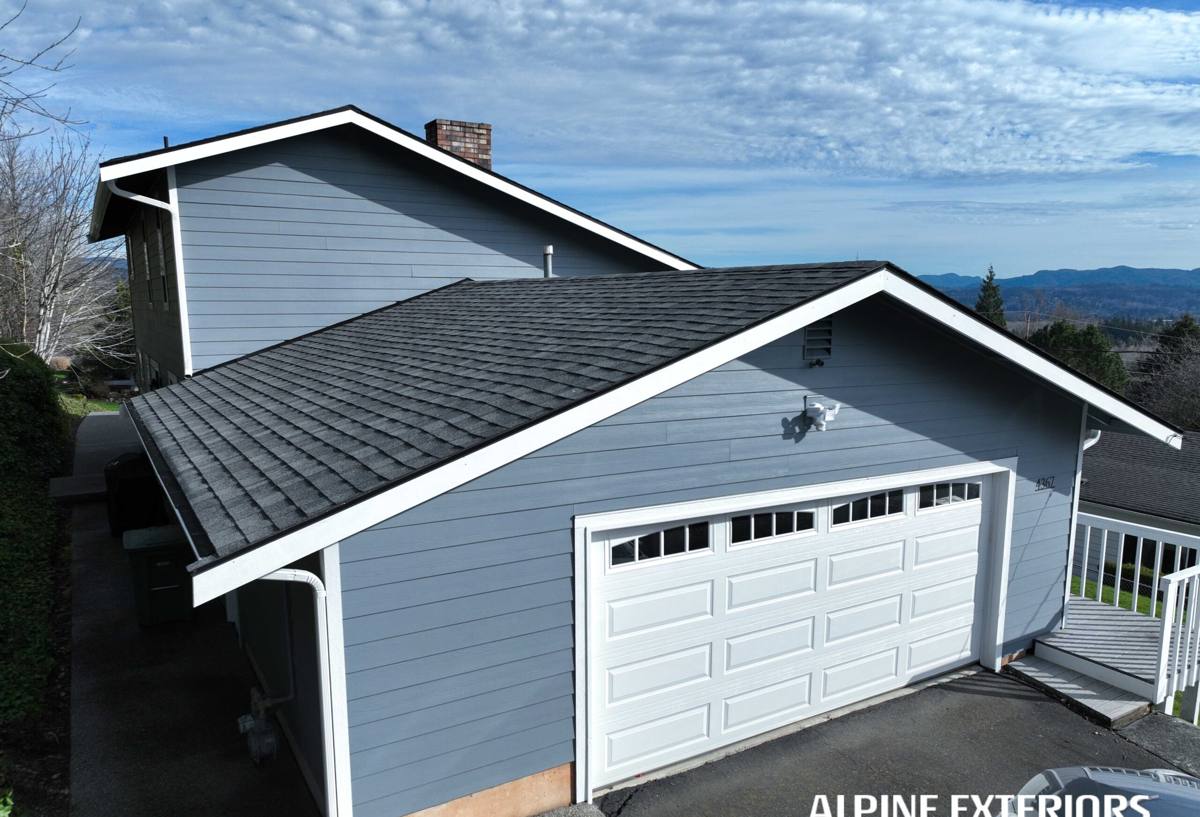
What This Climate Does to a Shingle Roof
Before talking about materials or process, it helps to understand what's actually attacking the roof over its lifespan:
- Wind uplift: Sustained tropical-storm and hurricane-force winds put lift pressure on shingle edges, ridge lines, and any spot where fasteners were shortcut. Most shingle failures start at the edges, not the field of the roof.
- UV exposure: Florida gets more direct sun hours per year than most of the country. UV breaks down asphalt oils over time, which is what eventually leads to granule loss, brittleness, and cracking — this happens on every roof, but it happens faster here.
- Wind-driven rain: Rain that comes in sideways during a storm doesn't behave like rain falling straight down. It can work its way under shingle tabs, around flashing, and into fastener penetrations if those details weren't sealed correctly.
- Salt air: Even inland, coastal air carries salt that accelerates corrosion on exposed metal — nails, flashing, vents, and fasteners are all more vulnerable here than in a dry inland climate.
- Heat cycling: Roofs here go through intense daily heating and cooling, which stresses shingle adhesive strips and can loosen poorly-set tabs over years of expansion and contraction.
None of this means asphalt shingles are a bad choice for the area — they're used successfully on the vast majority of homes here. It means the installation details matter more in this climate than in a milder one.
What a Correct Shingle Installation Actually Involves
The Deck Comes First
Shingles are only as good as what they're nailed to. Soft, rotted, or delaminated decking under the shingles is one of the most common reasons a roof fails early, and it's invisible from the ground. Any section of decking that's compromised needs to be cut out and replaced before a single shingle goes down — patching over a bad deck just hides the problem until the next storm.
Underlayment and Water Barrier
The underlayment is the roof's real waterproofing layer — shingles are the weather and wind shield, but underlayment is what keeps the house dry if wind-driven rain gets past them. Synthetic underlayment holds up better than old-style felt in heat and humidity, and self-adhering waterproof membrane at vulnerable points (valleys, eaves, roof-wall transitions) adds a second line of defense exactly where wind-driven rain tends to find its way in.
Flashing and Penetrations
Chimneys, vent pipes, skylights, and roof-to-wall transitions are where most leaks actually start — not in the open field of shingles. Flashing has to be properly stepped, lapped, and sealed at each of these points, and it needs to be corrosion-resistant given the salt content in the air.
Nailing Pattern and Fastener Count
This is the detail that separates a roof that survives high wind from one that doesn't. Florida building code specifies fastener count and placement based on the wind zone, and it's not optional or something to eyeball. Under-nailed shingles are one of the leading causes of wind damage claims after storms.
Ventilation
A hot, poorly ventilated attic bakes the underside of the roof deck and shingles from below, shortening the life of the whole system regardless of how good the shingles themselves are. Balanced intake and exhaust ventilation — not just a couple of vents added as an afterthought — keeps attic temperatures in check and protects the manufacturer's warranty, which often requires proper ventilation to remain valid.
Shingle Types: What Actually Makes Sense Here
| Type | Wind Performance | Typical Lifespan | Best Fit |
|---|---|---|---|
| 3-tab shingles | Lower wind rating, lighter weight | 15-20 years | Budget-driven re-roofs, lower-slope simple roofs |
| Architectural (laminate) shingles | Higher wind rating, better edge grip due to extra layer | 25-30+ years | Most Land O' Lakes homes; better overall value for the climate |
| Impact-rated / Class 4 shingles | Best wind and impact performance | 25-30+ years | Homes wanting the strongest wind performance available in shingle form; may qualify for insurance discounts |
We install architectural shingles on the majority of Land O' Lakes homes because the extra layer and heavier weight noticeably outperform 3-tab shingles in wind, and the cost difference is usually smaller than homeowners expect relative to the added years of service life. We'll walk through the honest trade-offs for your specific roof rather than push whatever has the best margin.
Our Installation Process
1. Inspection and Estimate
We look at the existing roof, deck condition where accessible, flashing points, ventilation setup, and any problem areas before quoting anything. You get a written scope, not a vague number.
2. Tear-Off and Deck Assessment
Old roofing comes off down to the deck so we can actually see what's underneath rather than layering new shingles over hidden problems. Any soft or damaged decking gets flagged and replaced.
3. Underlayment and Waterproofing Membrane
Synthetic underlayment goes down across the field, with self-adhering waterproof membrane at valleys, eaves, and other vulnerable transitions.
4. Flashing
New flashing at chimneys, vents, skylights, and wall transitions — reused flashing is a common shortcut that causes leaks down the road, so we replace it as part of the job.
5. Shingle Installation
Shingles go down with the fastener count and pattern required for the local wind zone, starting lines set correctly so tab alignment and water-shedding lines are right for the life of the roof.
6. Ridge Vent and Ventilation Tie-In
Ventilation components are installed or tied into the existing system so the attic can actually breathe once the roof is closed up.
7. Cleanup and Final Walkthrough
Magnetic sweep for stray nails, full site cleanup, and a walkthrough so you can see the finished work and ask questions before we consider the job done.
Problems We Commonly See on Roofs in This Area
- Granule loss and bald spots: Usually a sign of age and UV breakdown, and it accelerates once it starts since bare asphalt degrades faster than granule-covered asphalt.
- Nail pops: Fasteners working loose from heat cycling, sometimes from an original installation that used too few nails or the wrong pattern.
- Cracked or curling shingles: Common on older 3-tab roofs that have been through several Florida summers; usually a sign the roof is nearing the end of its useful life.
- Flashing failures at penetrations: Corroded or improperly lapped flashing around vents, chimneys, and wall transitions — often the real source of a "roof leak" that homeowners assume is a shingle problem.
- Algae streaking: Dark streaks from algae growth, which is cosmetic rather than structural but can be reduced with algae-resistant shingle products.
- Wind damage at edges and ridges: Lifted or missing shingles concentrated at roof edges, hips, and ridges after storms — usually the first place an under-fastened roof fails.
Maintenance Checklist for Homeowners
Asphalt shingle roofs don't need much upkeep, but a little attention extends their life significantly in this climate:
- Have the roof visually inspected after any major storm, even if there's no obvious interior leak
- Keep gutters and valleys clear of debris so water doesn't back up under shingles
- Trim overhanging branches that drop debris or scrape shingles in wind
- Check attic ventilation isn't blocked by insulation or debris
- Watch for granules collecting in gutters, a sign of accelerating wear
- Address small flashing or sealant issues promptly rather than waiting for a leak to show up inside
- Schedule a professional inspection roughly every couple of years, more often as the roof ages past 15 years
What Affects Roofing Cost in Land O' Lakes
| Factor | Why It Matters |
|---|---|
| Roof size and pitch | More square footage and steeper slopes mean more material and labor time |
| Deck condition | Rotted or damaged decking sections add repair cost that isn't visible until tear-off |
| Shingle grade chosen | 3-tab, architectural, and impact-rated products carry different material costs and warranty terms |
| Number of penetrations | More vents, skylights, and chimneys mean more flashing work |
| Layers being removed | Tear-off of multiple existing layers takes more labor than a single-layer tear-off |
| Ventilation upgrades needed | Bringing an under-ventilated attic up to standard adds scope but protects the new roof |
We don't quote off square footage alone — the deck condition and existing ventilation setup usually matter more to the final number than homeowners expect, which is why we inspect before pricing.
Why Hire a Crew That Already Works in Land O' Lakes
A roofing crew that's already familiar with this area knows the local wind zone requirements, understands what the permitting process actually requires here, and has seen how roofs in this specific climate age over time — not just in a training manual, but on real roofs a few miles from yours. That local familiarity shows up in small but important ways: knowing which flashing details tend to fail first in this area, understanding what insurance adjusters look for after wind events, and not having to relearn local code requirements on your project.
We're an Oldsmar-based crew serving Pinellas County and the surrounding Tampa Bay area, including Land O' Lakes. That means a real local presence — not a call center dispatching whoever's available, and not a crew driving in from out of the region for one job and disappearing afterward.
Get an Honest Estimate
If your roof is aging, showing granule loss, or you're just not sure what condition it's really in, we're happy to take a look and give you a straightforward, no-pressure estimate — no scare tactics, no inflated urgency, just an honest read on what your roof needs. Fill out the form below to get started.