 Oldsmar Siding
 Siding Installation Built for Land O' Lakes Conditions
Homes in Land O' Lakes sit in one of the more demanding climate zones in the country for exterior building materials. Between hurricane-force wind gusts during storm season, intense year-round UV exposure, wind-driven rain that gets forced sideways into wall assemblies, and salt-laden air moving in off the Gulf, the siding on a Land O' Lakes home is under constant, low-grade attack even on a calm day. A siding installation that looks right the week it goes up but wasn't built for this climate will show it within a few storm seasons — through fading, warping, soft spots, or water intrusion behind the wall.
This page covers what siding installation actually requires to hold up in this part of Florida, how we approach the job on Land O' Lakes homes specifically, and why we've standardized on one siding system rather than offering several.
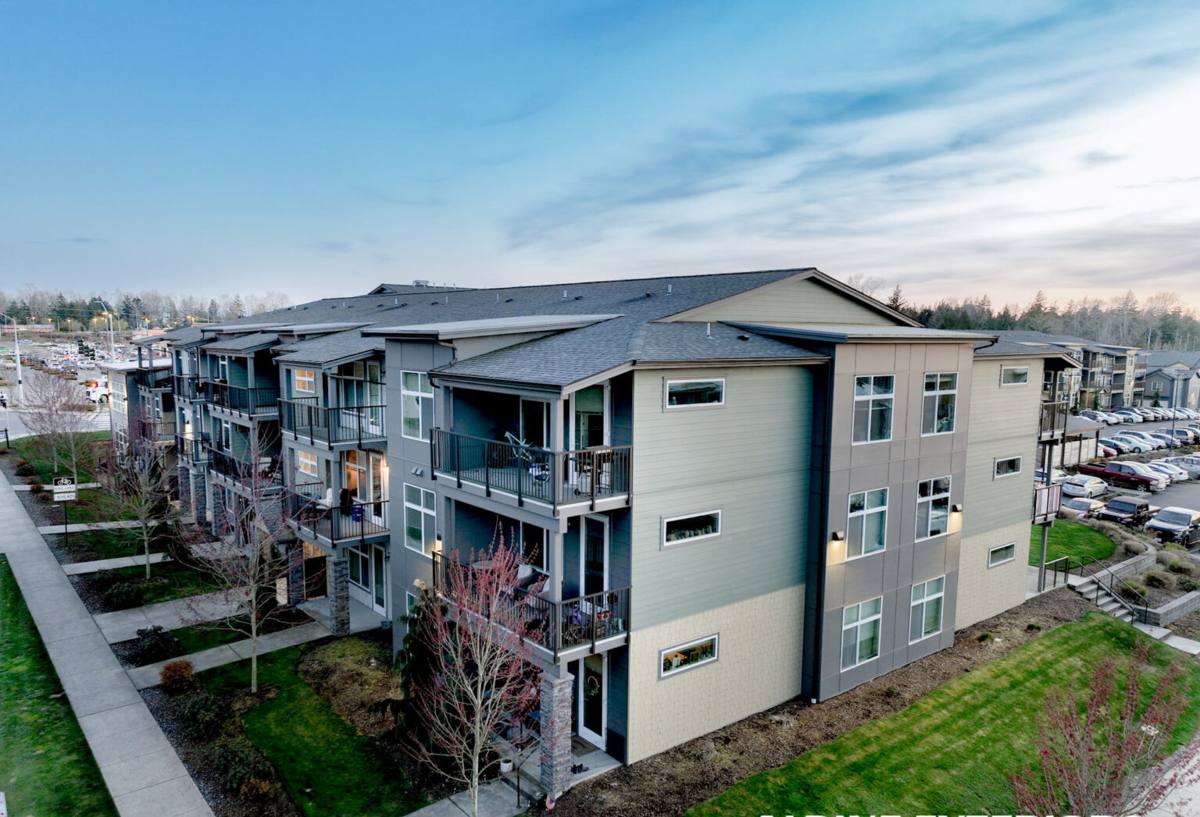
What Land O' Lakes Homes Are Actually Up Against
It's worth being specific about what "harsh climate" means for a wall system, because it changes what correct installation looks like.
Wind and Wind-Driven Rain
During tropical storms and hurricanes, wind doesn't just push against a wall — it drives rain into every seam, joint, and fastener penetration under pressure. Siding that isn't fastened to spec, or that lacks a properly detailed weather-resistive barrier underneath it, will let water past the surface even if the panels themselves never blow off.
Year-Round UV Load
Florida's sun exposure is brutal on painted and coated surfaces. Standard field-applied paint jobs chalk, fade, and break down faster here than almost anywhere else in the continental U.S., which shows up as uneven color and a chalky residue within a few years on lower-grade products.
Humidity and Moisture Cycling
High ambient humidity means siding materials are almost never fully dry. Products that absorb moisture swell, and materials that don't manage that moisture well can trap it against the wall assembly, leading to rot in the substrate behind the siding — often invisible until the damage is advanced.
Salt Air
Even well inland from the coast, salt-laden air moving through the Tampa Bay region accelerates corrosion on fasteners and metal trim, and can degrade certain coatings faster than manufacturers' standard testing accounts for.
What Correct Siding Installation Actually Involves
A siding job is only as good as what's underneath it. The visible panels get all the attention, but the parts nobody sees are what actually determine whether a home stays dry and intact through storm season.
Water Management Behind the Siding
Every proper installation starts with a continuous weather-resistive barrier over the sheathing, installed with correct overlaps and sealed penetrations. Housewrap or building paper that's torn, gapped, or improperly lapped defeats the purpose of everything installed over it — the siding becomes cosmetic rather than protective.
Flashing and Trim Details
Windows, doors, corners, and roof-to-wall intersections are where the vast majority of water intrusion problems start. Correct flashing at these transitions — installed in the right sequence, so water is always directed outward and downward — matters more than almost anything else in the job.
Fastening for Wind Zones
Fastener type, spacing, and placement all have to match the manufacturer's specifications for our wind exposure category. Undersized or under-spaced fasteners are one of the most common reasons siding fails in a wind event, and it's not something you can see from the ground after the job is finished.
Proper Clearances
Siding installed too close to grade, roof lines, or decking traps moisture and invites rot and pest intrusion. Manufacturer-specified clearances aren't a suggestion — they're part of what keeps the product's warranty valid.
James Hardie: The Only Siding System We Install
We install James Hardie fiber cement siding exclusively. We don't offer vinyl, LP SmartSide, Cemplank, Allura, or primed wood siding, and that's a deliberate standard, not a matter of availability.
Fiber cement is non-combustible, dimensionally stable in heat and humidity, and holds paint and factory finishes far better than wood-based or vinyl alternatives in this climate. James Hardie specifically engineers regional product lines — its HZ5 formulation is built for hot, humid, storm-exposed climates like ours, with moisture and impact resistance tuned for exactly the conditions Land O' Lakes homes face. The ColorPlus factory finish is baked on under controlled conditions and backed by its own finish warranty, which avoids the uneven fading and chalking we see on field-painted siding after a few Florida summers.
We're not going to tell you every other product on the market is unusable — vinyl is inexpensive and low-maintenance in mild climates, and engineered wood has real fans. But vinyl can deform in extreme heat and is vulnerable in high-wind events, and wood-based products carry moisture sensitivity that this climate exploits relentlessly if installation or maintenance ever falls short. We'd rather install one system correctly, back it with a real warranty, and stand behind it, than offer several products with different risk profiles depending on budget.
James Hardie Product Lines We Work With
| Product | Typical Use | Why It Fits Land O' Lakes |
|---|---|---|
| HardiePlank Lap Siding | Most common — full home exteriors | Traditional look, HZ5 climate engineering, wide color range |
| HardiePanel Vertical Siding | Accent walls, gables, modern facades | Clean lines, strong wind and moisture performance |
| HardieTrim | Corners, window and door trim, fascia | Matches siding durability at the most failure-prone transitions |
| HardieSoffit | Eaves and overhangs | Resists humidity and pest intrusion better than wood soffit |
Our Installation Process
1. On-Site Assessment
We walk the exterior, check the current siding and substrate condition, note trouble spots around windows, doors, and rooflines, and measure for material. This is also when we talk through product lines, colors, and any structural issues that need to be addressed before new siding goes on.
2. Removal and Substrate Prep
Old siding comes off, and we inspect the sheathing underneath for water damage or rot before anything new goes up. Any compromised substrate gets repaired — covering damaged sheathing with new siding just seals the problem in.
3. Weather Barrier and Flashing Installation
A new weather-resistive barrier goes on with correct overlaps, and flashing is installed at every window, door, and penetration before the siding itself is hung.
4. Siding Installation to Manufacturer Spec
Panels are fastened, spaced, and clearanced according to James Hardie's published installation guidelines for our wind zone — not generic best-guess spacing. This is what keeps both the performance and the warranty intact.
5. Trim, Caulking, and Final Inspection
Trim and corner details are finished, joints are sealed where specified, and we do a final walk-through before calling the job complete.
Signs Your Land O' Lakes Home May Need New Siding
- Visible warping, buckling, or panels that feel soft when pressed
- Paint that's peeling, bubbling, or chalking heavily to the touch
- Cracks or gaps at seams, corners, or around window and door trim
- Rising energy bills with no other obvious cause — often a sign of failing insulation or air gaps
- Musty odors or visible mold/mildew near baseboards or interior walls on exterior-facing rooms
- Siding that's more than 20-25 years old, especially if it's never been replaced
- Visible damage after a recent storm, even if it looks minor from the ground
What Affects the Cost of a Siding Installation
| Factor | Why It Matters |
|---|---|
| Home size and wall complexity | More square footage and more corners, gables, and dormers mean more material and labor |
| Substrate condition | Rot or water damage found during tear-off adds repair work before new siding can go on |
| Product line and profile | Lap width, texture, and trim details all affect material cost |
| Color and finish | Factory ColorPlus finishes vs. field-painted options price differently |
| Trim and accessory scope | Soffit, fascia, and trim replacement alongside siding adds to the total project |
| Accessibility | Multi-story sections, tight lot lines, or landscaping obstacles affect labor time |
We give straight, itemized estimates so you can see exactly what's driving the number — no vague lump-sum pricing.
Why Local Installation Experience Matters
Siding installation isn't a one-size-fits-all trade. A crew that regularly works homes in Land O' Lakes and the surrounding Tampa Bay area already knows the local wind exposure requirements, the way humidity affects install timing and material handling, and the failure points that show up specifically in this climate — not just in a manufacturer's general installation manual. That local repetition is what separates a siding job that looks fine at handoff from one that's still performing correctly five hurricane seasons later.
Caring for Your Siding After Installation
James Hardie siding is low-maintenance, but "low" isn't "none." A simple annual routine goes a long way in this climate:
- Rinse the exterior with a garden hose once or twice a year to clear salt residue and pollen buildup
- Inspect caulking around windows, doors, and trim annually and have gaps resealed promptly
- Trim back landscaping so plants and irrigation aren't spraying water directly onto siding
- After major storms, do a visual walk-around to check for impact damage or loosened panels
- Keep gutters clean and functioning so water isn't overflowing onto siding and trim
If your Land O' Lakes home's siding is showing its age or storm damage, we're happy to take a look and give you a straightforward, no-pressure estimate — just fill out the form below to get started.