 Oldsmar Siding
 Deck Repair for Largo Homeowners
Largo sits close enough to Oldsmar that a lot of the same building stock, the same weather, and the same repair problems show up on decks in both communities. If you own a deck in Largo, you're dealing with the same combination of intense sun, salt-laden air off the Gulf and Tampa Bay, and the occasional hurricane-force wind event that Oldsmar homes deal with. A deck built or repaired without that context in mind tends to fail early — loose railings, soft boards, and corroded fasteners are the most common calls we get from this part of Pinellas County.
This page covers what deck repair actually involves for a Largo property, what we look for, and how we approach the work so the fix lasts longer than a quick patch.
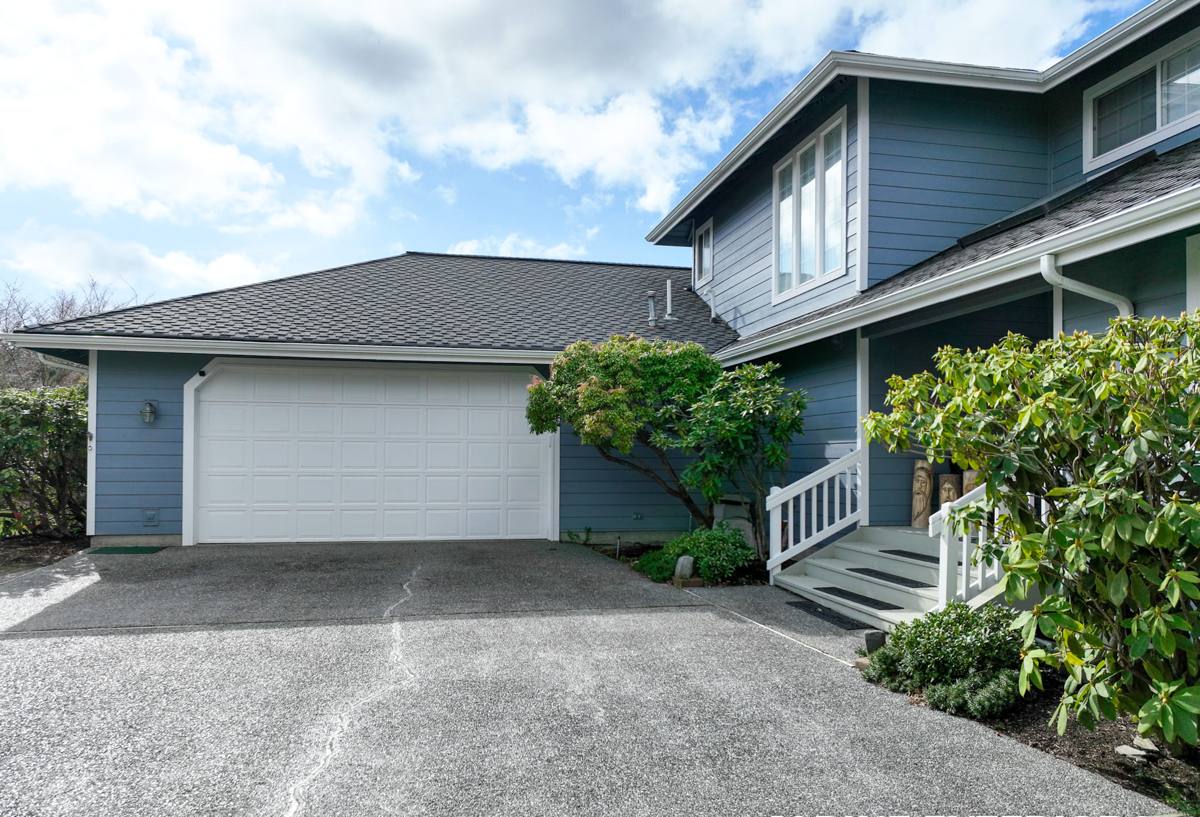
Why Largo Decks Wear Differently Than Decks Inland
Deck damage in Largo rarely comes from one cause. It's usually a combination of several stresses working on the structure at once:
- Year-round UV exposure breaks down wood fibers and degrades sealants and stains faster than in cooler climates, leaving boards dry, brittle, and prone to cracking.
- Wind-driven rain gets pushed sideways under railings, around post bases, and into board end-grain — areas that flat, straight-down rain would never reach.
- Salt air accelerates corrosion on nails, screws, joist hangers, and any exposed metal hardware, even on decks that aren't waterfront.
- Hurricane-force wind events put repeated racking stress on railings and post connections, loosening joints that then let water in, which speeds up rot.
None of these on their own is unusual for Florida. Together, over years, they're why decks in this part of Pinellas County often need structural attention well before the wood "looks" old.
What a Correct Deck Repair Actually Involves
Diagnosis Before Demo
The first step isn't replacing boards — it's figuring out how far the damage actually goes. Surface graying or a rough finish is cosmetic. Soft spots, spongy decking, rust streaks around fasteners, or a railing that flexes when you lean on it are signs the problem has reached the structure underneath. We probe suspect areas with a screwdriver or awl rather than guessing from appearance alone, because rot often starts from the inside of a board or from the framing below and doesn't show on the surface until it's advanced.
Framing and Substructure
Ledger boards, joists, and posts are the parts of a deck you don't see, and they're also the parts that cause real safety problems when they fail. A deck can have brand-new decking boards on top of a rotted or under-fastened frame — it will look fine and still be unsafe. Any legitimate repair job checks the ledger board attachment to the house, joist hangers for rust or pulled fasteners, and post bases for ground contact rot or corrosion, not just the boards people walk on.
Fasteners and Hardware
This is where a lot of Largo-area decks show their age first. Standard fasteners corrode in coastal air faster than most homeowners expect, and once a nail or screw starts rusting, it loses grip and lets boards work loose. We use fasteners and hardware rated for coastal/exterior exposure, not because it's an upsell, but because replacing decking with the wrong fasteners just means doing the job again in a few years.
Railings and Guard Posts
Railings take the brunt of wind load and also get the most casual daily stress — people leaning on them, kids climbing, furniture bumping against them. A wobbly railing is almost always a sign that the post connection below the surface has already loosened or rotted, not just that a bracket needs tightening. We treat railing repair as a structural check, not a cosmetic one.
Repair vs. Replacement: How We Decide
Not every damaged deck needs a full rebuild, and not every deck can be safely patched. The honest answer depends on how much of the structure is compromised versus how much is still sound.
| Condition Found | Typical Approach | Why |
|---|---|---|
| Isolated soft or cracked boards, sound frame | Board-by-board replacement | Framing is still structurally sound; no reason to rebuild what isn't damaged |
| Rust-streaked or backed-out fasteners, boards otherwise intact | Re-fastening with coastal-rated hardware | Corroded fasteners are the failure point, not the wood itself |
| Loose or wobbly railing posts | Post connection rebuild, hardware upgrade | Underlying connection has failed; surface tightening won't hold |
| Rot in ledger board or multiple joists | Partial or full frame rebuild | Structural integrity is compromised; patching over it is a safety risk |
| Widespread rot across decking and frame | Full deck replacement | Cost of repeated partial repairs exceeds the cost of rebuilding correctly |
We walk homeowners through which category their deck falls into before any work starts, with a clear explanation of why — not just a quote.
Materials: What Holds Up in This Climate
Material choice matters more here than in most parts of the country, mainly because of how much UV and moisture exposure a Florida deck gets over a full year with no real off-season.
Pressure-treated wood is common and affordable, but it needs consistent sealing and maintenance to resist the sun and moisture cycle — skip that maintenance for a couple of years and it shows. Composite decking costs more up front but resists moisture absorption and UV fading better, which matters for a surface that gets full sun most of the year. Neither is universally "right" — the better choice depends on the homeowner's maintenance plans, budget, and how much of the year the deck sits in direct sun versus shade.
Where we're firm is on hardware and fasteners: whatever decking material is chosen, we don't cut corners on coastal-rated fasteners and connectors, because that's the piece that fails first and is hardest to inspect once everything is closed up.
Signs You Need a Deck Repair Inspection
- Boards that flex, feel spongy, or sound hollow when walked on
- Railings that move or wobble under normal hand pressure
- Visible rust streaking around screw or nail heads
- Gaps opening up between boards or around post bases
- Discoloration or dark staining near the ledger board where the deck meets the house
- Any deck that hasn't been inspected since the last major storm season
Why a Crew That Already Works Largo and Oldsmar Matters
Deck repair isn't a one-size-fits-all trade. A crew that works this specific part of Pinellas County regularly already knows which fastener grades hold up, which framing details tend to fail first in this air and sun exposure, and what permitting and inspection expectations look like locally. That's different from a general contractor pricing a deck job the same way they'd price one three states away with a different climate. Working in Largo and Oldsmar consistently means we're not guessing at how a repair will hold up in year three or four — we've already seen how similar repairs perform in this exact environment.
Our Process, Start to Finish
- On-site inspection — we check decking, framing, fasteners, and railings, and probe any soft or suspect areas rather than relying on a visual pass alone.
- Honest assessment — we explain what's cosmetic, what's structural, and what your realistic options are, including repair-versus-replace where relevant.
- Written scope and estimate — clear on what's being repaired, what materials and fasteners will be used, and why.
- Repair work — framing and structural fixes first, then decking, then railings and hardware, in that order, because building on a compromised frame just hides the problem.
- Final walkthrough — we go over the repair with you before calling the job done, including any maintenance recommendations for the material installed.
Maintenance That Extends the Repair
A repair is only as good as the upkeep that follows it. For wood decking, resealing on a regular schedule matters more here than in drier, less sun-intensive climates — UV and moisture cycling break down sealant faster. For composite decking, periodic cleaning to remove salt residue and debris buildup around fasteners and between boards helps prevent the kind of hidden moisture retention that leads to hardware corrosion. Either way, a quick visual check after major storms — looking for loosened railings, lifted boards, or new gaps — catches small problems before they become structural ones.
If you're seeing any of the warning signs above, or it's just been a while since your Largo-area deck was checked over, we're happy to take a look. The estimate is free, there's no pressure to sign anything on the spot, and you'll get a straight answer about what your deck actually needs — use the form below to get started.