 Oldsmar Siding
 Why Largo Decks Wear Out Faster Than the Manual Says
If you own a home in or around Largo, you already know Florida decks don't age like decks in most of the country. Between hurricane-force wind events, intense year-round UV exposure, wind-driven rain, and salt air drifting in off the Gulf and the bay, a deck here takes a beating every single season, not just during storms. Manufacturer lifespan estimates are usually written for a generic climate, not for Pinellas County's combination of heat, humidity, and salt exposure. That's why a deck that looks fine from the yard can have soft joists, corroded fasteners, or a failing ledger connection underneath.
Deck replacement in this area isn't just a bigger version of a repair. It's a chance to correct the structural and moisture details that shortened the life of the original deck in the first place.
What "Deck Replacement" Actually Means Here
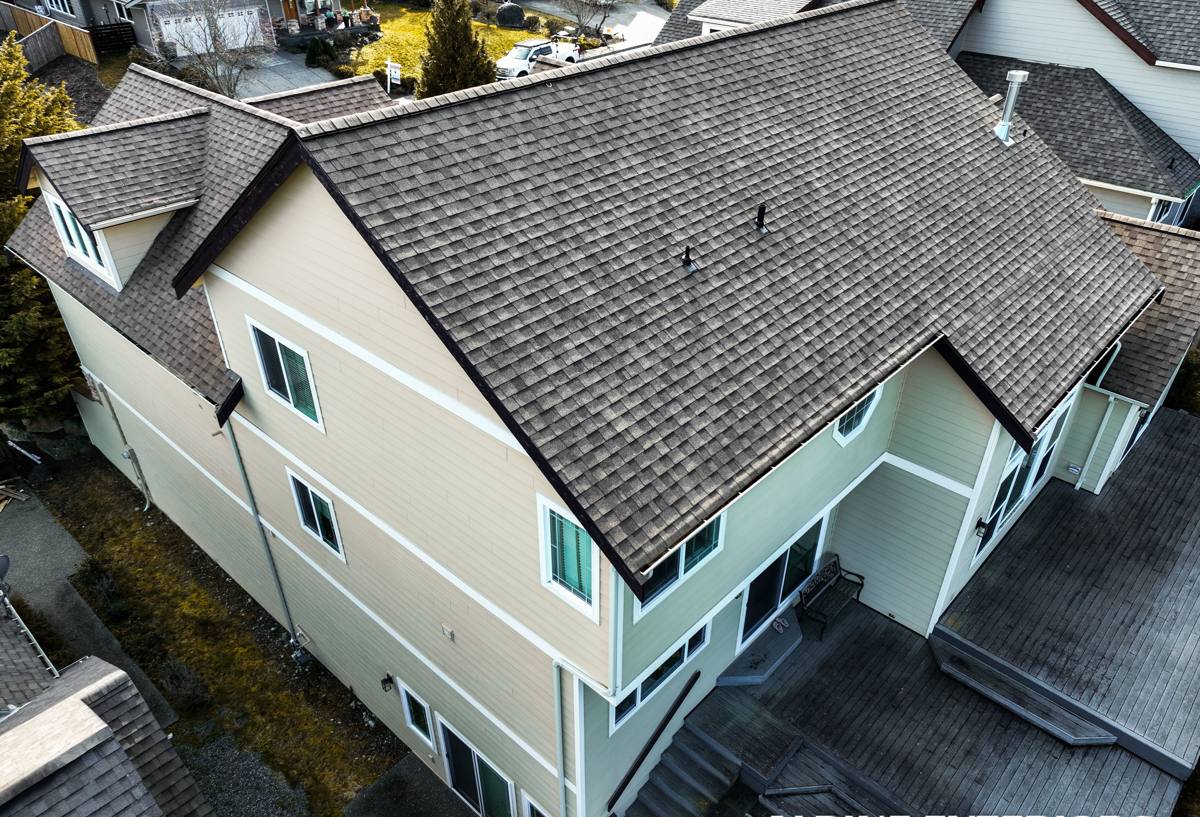
A true replacement means removing the decking, railings, and typically the structural framing down to (or including) the ledger board and support posts, then rebuilding from the ground up. That's different from a repair, which swaps a few bad boards and calls it done.
We recommend full replacement over patch repairs when:
- The framing (joists, beams, or posts) shows rot, insect damage, or corrosion, not just the surface boards
- The ledger board attachment to the house has never been properly flashed
- The deck was built without a permit or doesn't meet current wind and connection requirements
- More than a third of the visible boards are cupping, splintering, or soft underfoot
- Railings or stairs feel loose or wobble under normal use
If the framing is sound and the issues are cosmetic, a repair may genuinely be the more honest recommendation. We'll tell you which situation you're in before we ever talk about a full rebuild.
The Ledger Board: Where Most Failures Start
As a siding contractor first, we pay close attention to something a lot of deck-only crews treat as an afterthought: the ledger board, the piece that bolts your deck directly to your house. This is the single most common point of hidden failure on decks throughout Pinellas County.
When wind-driven rain hits a home at an angle, which happens regularly here, water gets pushed into any gap where the deck framing meets the exterior wall. Without proper flashing, that water tracks behind the siding or into the wall sheathing and rim joist, causing rot you can't see until it's advanced. This is exactly the kind of water intrusion we deal with on the siding side of our business, so we treat the ledger connection with the same standard we'd apply to any wall penetration.
What correct ledger installation includes
- Removing the affected siding or trim to expose the wall structure, not flashing over existing material
- Installing proper flashing that directs water out and away from the house, layered correctly with the house wrap or weather barrier
- Using lag bolts or through-bolts rated for the load, not deck screws or nails
- Re-sealing and reinstalling siding correctly around the new ledger so the whole wall assembly still sheds water the way it was designed to
Material Choice for Salt Air, Sun, and Storms
There's no single "best" decking material for every home. Each option trades off differently once you factor in Pinellas County's UV load, humidity, and coastal air.
| Material | How it holds up locally | Maintenance |
|---|---|---|
| Pressure-treated wood | Affordable upfront, but UV and humidity cause graying, splintering, and warping faster than in drier climates | Annual sealing/staining recommended |
| Capped composite | Resists moisture and UV fading much better than wood; performs well in salt air | Occasional washing, no sealing or staining |
| PVC decking | Fully synthetic, very strong resistance to moisture, UV, and salt exposure | Low maintenance, periodic cleaning |
| Tropical hardwoods | Naturally dense and rot-resistant, but still needs UV protection and can be sensitive to installation quality | Regular oiling to maintain appearance |
We don't push one product line on every homeowner. We'll walk you through the honest trade-offs, upfront cost versus long-term upkeep, appearance over time, and how each material behaves specifically in salt-air, high-UV conditions, so you can pick what fits your budget and how much maintenance you actually want to do.
Why we're cautious about certain wood species and bargain composites
Some cheaper composite products on the market use lower-density cores or lighter cap layers that weren't built with heavy coastal UV exposure in mind, and they can fade or chalk noticeably faster here than the manufacturer's general climate ratings suggest. Similarly, some softer wood species require more aggressive, more frequent sealing than most homeowners realistically keep up with. Our standard is to recommend products that have a track record of holding up under real Gulf Coast sun and salt exposure, not just what tests well in a lab.
Hardware and Fasteners That Actually Hold Up in Salt Air
Salt air corrodes standard fasteners faster than most homeowners expect, and corroded hardware is one of the leading causes of premature deck failure near the coast. This matters as much as the decking material itself.
- Structural fasteners: stainless steel or coated hardware rated for coastal/high-corrosion environments, not standard galvanized
- Joist protection: flashing tape over the tops of joists to keep moisture out of end grain and fastener holes
- Hidden fastener systems: reduce surface penetration points where composite or PVC boards are used, which also improves the finished look
- Post bases and connectors: corrosion-resistant structural connectors rated for the load and wind exposure of your specific deck size
Cutting corners on hardware to save a small amount upfront is one of the most common reasons decks in this region need premature repair.
Permits, Wind Load, and Building Code
Deck replacement in Pinellas County requires a permit and needs to meet current Florida Building Code requirements for structural connections and wind resistance, this isn't optional paperwork, it's what keeps your deck attached to your house during a wind event instead of becoming a hazard. We handle the permitting process and build to code as a baseline, not an upgrade.
If your existing deck was built without a permit, which isn't uncommon on older homes in this area, replacement is often the cleanest way to bring it up to current standards without an open-ended repair process.
Our Replacement Process
- On-site assessment: We inspect the existing deck, framing, ledger connection, and posts to determine actual condition, not just what's visible from the surface
- Honest recommendation: Repair versus replace, with reasoning you can understand, not a sales pitch
- Material and design walkthrough: We go over decking options, railing styles, and layout based on your budget and how you use the space
- Permitting: We pull the required permits and build to current code
- Tear-off and structural rebuild: Old decking and, where needed, framing removed; new framing, posts, and ledger flashing installed correctly
- Decking, railing, and finish work: Installed with corrosion-resistant hardware appropriate for coastal exposure
- Final walkthrough: We inspect the finished deck with you before calling the job done
Signs Your Largo Deck Needs Replacing, Not Just Repair
You don't need to be a contractor to catch the early warning signs. Watch for:
- Boards that feel spongy or flex noticeably when you walk on them
- Visible rust streaks running down from fasteners or connectors
- Gaps, cracks, or soft spots at the point where the deck meets the house
- Railings or stair stringers that wobble or feel loose
- Persistent graying, splintering, or cupping across most of the boards, not just a few
Any one of these on its own might just need a repair. Several together usually mean the structure has aged out and full replacement is the more cost-effective long-term move.
Why Hiring a Crew That Already Works This Area Matters
A deck built for a dry, inland climate and a deck built for a home exposed to Gulf Coast salt air, sustained UV, and wind-driven rain are not the same project, even if they look identical from the street. A crew that regularly works in Largo and the surrounding Oldsmar area already knows which ledger details fail first, which hardware corrodes prematurely in this air, and what Pinellas County permitting actually requires, so you're not paying for lessons learned on your project.
If your deck is showing its age, or you're just not sure whether it needs a repair or a full rebuild, we're happy to take a look and give you a straight answer. Use the form below to request a free, no-pressure estimate.