 Oldsmar Siding
 Roof Repair in Largo: What Pinellas County Weather Actually Does to a Roof
Homes in Largo sit in the same weather corridor as the rest of Pinellas County — close enough to the Gulf that salt air reaches shingles and flashing year-round, and squarely in the path of the wind-driven rain and occasional hurricane-force gusts that roll through central Florida every storm season. Add in some of the most intense, consistent UV exposure in the continental U.S., and a roof here ages differently than one in a milder climate. Granule loss happens faster. Sealant strips dry out sooner. Metal flashing corrodes quicker near the coast. None of this means a roof is doomed — it means repairs need to account for how Largo's climate actually attacks a roof, not just patch what's visible on the surface.
We work on roofs throughout the Oldsmar and Largo area regularly, and the repair calls we get tend to fall into a handful of predictable categories: wind damage after a storm, slow leaks that started small and got worse, and sun-related material breakdown that shows up as brittle, cracked, or granule-bare shingles. Knowing which one you're dealing with changes the whole approach.
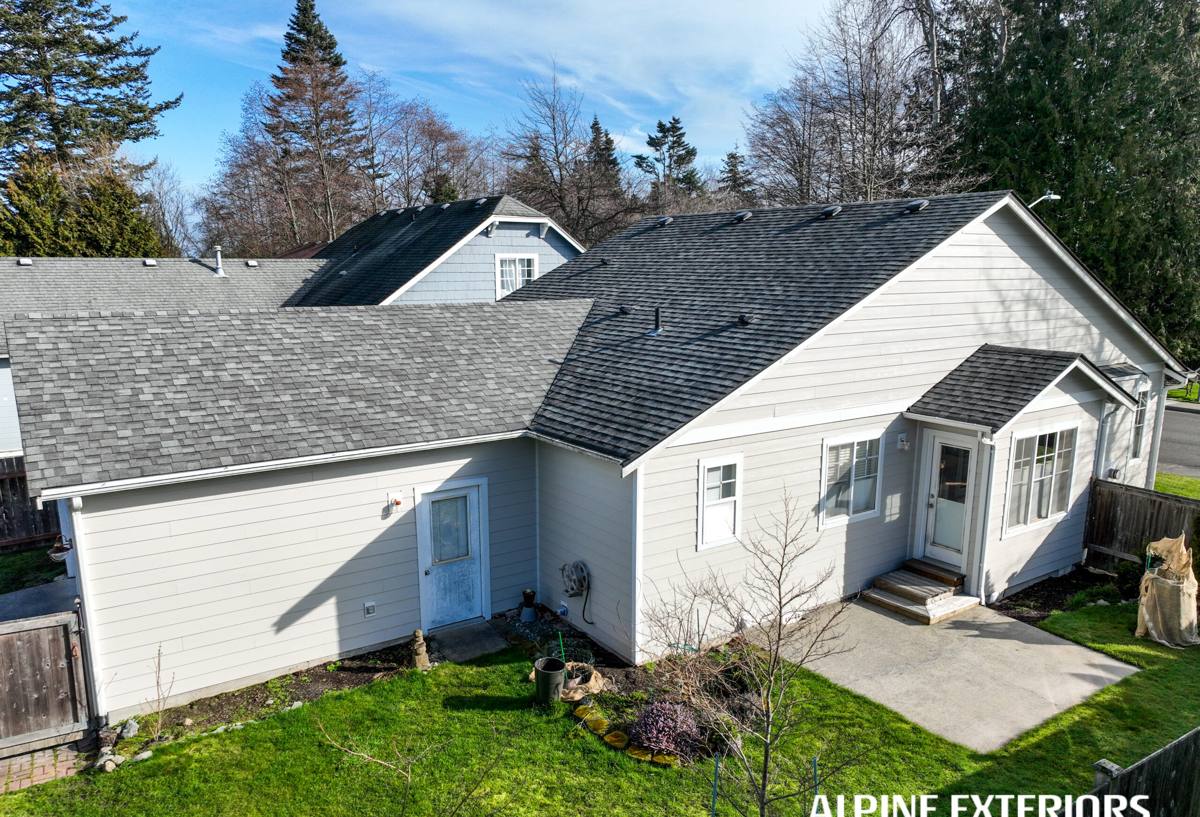
Signs a Largo Roof Needs Repair, Not Replacement
Most roofs don't fail all at once — they show warning signs first. Catching them early is usually the difference between a modest repair bill and a full roof replacement.
- Missing, curled, or cracked shingles, especially after a windstorm
- Granules collecting in gutters or at downspout outlets
- Soft spots or sagging in the roof deck when walked on
- Water stains on interior ceilings, especially near vents, chimneys, or skylights
- Rusted, lifted, or separated flashing around roof penetrations
- Visible daylight through the attic decking
- Shingles that look faded, brittle, or "alligatored" from UV exposure
If a roof shows one or two of these in an isolated area, targeted repair is usually the right call. If the damage is spread across most of the roof, or the shingles are past their expected service life, repair may only buy a little time before replacement becomes the more honest recommendation — we'll tell you which situation you're in rather than sell you a repair we don't expect to hold.
What a Correct Roof Repair Actually Involves
A roof repair that actually holds up in Pinellas County weather goes past just replacing the shingles you can see. Wind and wind-driven rain don't just tear shingles off — they push water sideways and underneath roofing material, which means the damage is often bigger than what's visible from the ground.
Inspecting Beyond the Obvious Damage
Before any repair starts, we check the surrounding shingles, the underlayment beneath them, the decking, and the flashing at nearby penetrations — vents, pipe boots, chimneys, skylights. A shingle can be replaced in minutes; water that's already gotten into the decking or insulation takes longer to find and dry out, and skipping that step is how a "repaired" roof leaks again during the next storm.
Matching Materials Properly
Shingles fade with UV exposure, so a patch using new shingles next to years-old ones will always look slightly different — that's a cosmetic reality, not a workmanship issue, and we'll tell you upfront what to expect rather than promise an invisible match. What does matter is that the replacement shingle is the correct type, weight, and wind rating for the rest of the roof, and that it's fastened and sealed to the same standard as the original installation.
Sealing and Flashing Details
Most leaks trace back to flashing and sealant failure, not the shingle field itself. Pipe boots crack from UV exposure over time. Step flashing along walls and chimneys can work loose from wind uplift or age. Valley metal can corrode faster this close to the coast. A repair that only swaps shingles but ignores failing flashing is a repair that leaks again — often in the exact same spot.
Common Largo Roof Repair Scenarios
Wind-Lifted or Missing Shingles
After a strong wind event, it's common to find shingles peeled back, torn off entirely, or with broken seals along the edges. Wind uplift tends to start at roof edges, ridges, and corners — the areas with the least support — which is exactly where we check first, even if the visible damage looks contained to one section.
Flashing and Valley Leaks
Roof valleys carry a lot of water volume during Florida's heavy downpours, and any gap or corrosion in valley flashing shows up as a leak fast. These repairs require removing surrounding shingles carefully, correcting the flashing, and reinstalling — not just caulking over the problem, which is a short-term fix at best.
Sun-Baked and Granule-Bare Shingles
Constant UV exposure breaks down the asphalt in shingles over years, causing granule loss, brittleness, and eventually cracking. Isolated sun damage — say, one south- or west-facing slope that's aged faster than the rest of the roof — can often be repaired in that section without touching the rest of the roof.
Our Roof Repair Process
- Inspection and diagnosis. We look at the damaged area and its surroundings, including the attic side where accessible, to find the actual source of the problem — not just the symptom.
- Honest scope and estimate. You get a clear explanation of what needs repair, what we recommend monitoring, and a written estimate before any work starts.
- Repair work. Damaged shingles, decking, underlayment, and flashing are replaced as needed, matched to the existing roofing system's type and rating.
- Sealing and cleanup. All flashing, fasteners, and transitions are properly sealed, and the work area is cleaned of debris and old material.
- Final walkthrough. We show you the completed repair and explain what was done, so there's no guesswork about what you paid for.
Repair vs. Replacement: What Actually Drives the Decision
Homeowners in Largo often ask whether a given problem is "worth fixing" or a sign to start planning a replacement. There's no single answer, but these are the factors that matter most:
| Factor | Leans Toward Repair | Leans Toward Replacement |
|---|---|---|
| Extent of damage | Isolated to one area or slope | Spread across most of the roof |
| Roof age | Well within expected service life | At or past typical lifespan for the material |
| Underlying deck condition | Solid, no rot or soft spots | Soft decking, signs of long-term moisture |
| Shingle condition nearby | Still flexible, granules intact | Widespread brittleness or granule loss |
| Storm history | Single event, contained damage | Repeated storm damage over several seasons |
We'll walk you through where your roof falls on these factors rather than defaulting to whichever recommendation costs more.
Materials and Workmanship Standards We Hold To
Not every repair material performs the same under Pinellas County conditions. We select shingles, underlayment, and flashing rated for high-wind coastal exposure, and we install to the fastening and sealing standards those materials require to actually deliver their rated wind resistance — a shingle rated for high wind speeds only performs that way if it's nailed correctly, in the correct pattern, on a sound deck. Cutting corners on installation is the single biggest reason a "quality" material still fails during a storm, so our repair standard focuses as much on how something is installed as what it's made of.
Why It Matters to Hire a Crew That Already Works in Largo and Oldsmar
Roofing crews unfamiliar with this part of Florida sometimes underestimate how fast salt air corrodes fasteners and flashing, or use a repair approach that works fine in a drier, calmer climate but doesn't hold against wind-driven rain here. A crew that regularly works roofs in Largo and the greater Oldsmar area already knows which flashing details tend to fail first, which materials hold up to the local UV load, and how wind exposure in this corridor of Pinellas County affects a repair's long-term durability — because we see the results of that exposure on a regular basis, not as a one-off.
There's also a practical side: being local means a faster response after storm damage, when a temporary tarp or emergency repair can prevent a small leak from turning into a much bigger interior problem.
Maintenance That Helps a Largo Roof Go Longer Between Repairs
A repair fixes what's already broken, but a little routine attention can keep small problems from becoming repair calls in the first place. Twice a year — and always after a significant storm — it's worth having gutters cleared so water isn't backing up under the roof edge, and having someone check that pipe boots, vent flashing, and sealant lines haven't started cracking from UV exposure. None of this replaces a professional inspection after storm damage, but it does mean fewer surprises and, often, smaller repair bills when something does need attention.
Trees near the roofline are also worth watching in this area. Overhanging branches drop debris that traps moisture against shingles, and during high wind they can scrape granules loose or cause direct impact damage. Keeping branches trimmed back from the roof is a simple step that reduces both of these risks.
Before You Call: A Quick Homeowner Checklist
- Check ceilings and attic (if safely accessible) for water stains after any storm
- Look at gutters and downspouts for accumulated granules
- Note any shingles visible from the ground that look lifted, cracked, or missing
- Check around roof penetrations — vents, chimneys, skylights — for visible gaps or rust
- Avoid climbing onto the roof yourself to inspect storm damage; a fall risk isn't worth it
- Get damage documented and repaired promptly — small leaks left alone lead to decking and insulation damage
If you're seeing any of these signs on a Largo or Oldsmar-area roof, we're glad to take a look. Reach out for a free, no-pressure estimate using the form below — we'll assess the damage honestly and tell you what it actually needs, whether that's a targeted repair or something more involved.