 Oldsmar Siding
 Board and batten has become one of the most requested exterior looks in the Lutz area over the past several years — that clean run of vertical panels with raised seams shows up on new farmhouse-style builds, on remodels going for a more modern look, and as an accent on otherwise traditional homes. It photographs well, but more importantly it holds up well when it's built correctly. The problem is that "board and batten" is a description of a pattern, not a material, and in a climate that sees hurricane-force wind gusts, wind-driven rain, intense year-round UV, and salt air working on a home's exterior all at once, the material behind that pattern determines whether it looks good for five years or twenty-five.
Our crew is based in Oldsmar and works Lutz regularly, and we install this style in one material only: James Hardie fiber cement. This page covers what board and batten actually involves, what this region's weather does to it specifically, how we approach the installation, and why working with a crew that's already familiar with this area's homes and conditions matters more on this style than on almost any other siding profile.
What Board & Batten Actually Involves
Board and batten is a two-layer system. Wide flat boards or panels go up first, then narrower strips — the battens — are fastened over the seams between them. That layered build is what gives the style its raised vertical lines and shadow detail, and it's also what makes it more labor- and detail-intensive than standard lap siding.
There are two ways it typically gets built:
- Engineered panel systems — panels manufactured specifically for this pattern, with batten spacing designed into the product
- Site-built assemblies — flat trim boards installed as the base course, with individual battens cut and fastened over each seam on site
Both methods can look identical once painted. What actually separates a good board and batten job from a problem one, years down the line, is whether the boards and battens themselves stay dimensionally stable through heat, humidity, and repeated wetting — and whether every one of those extra seams and fastener points was sealed and flashed the way it needed to be from day one.
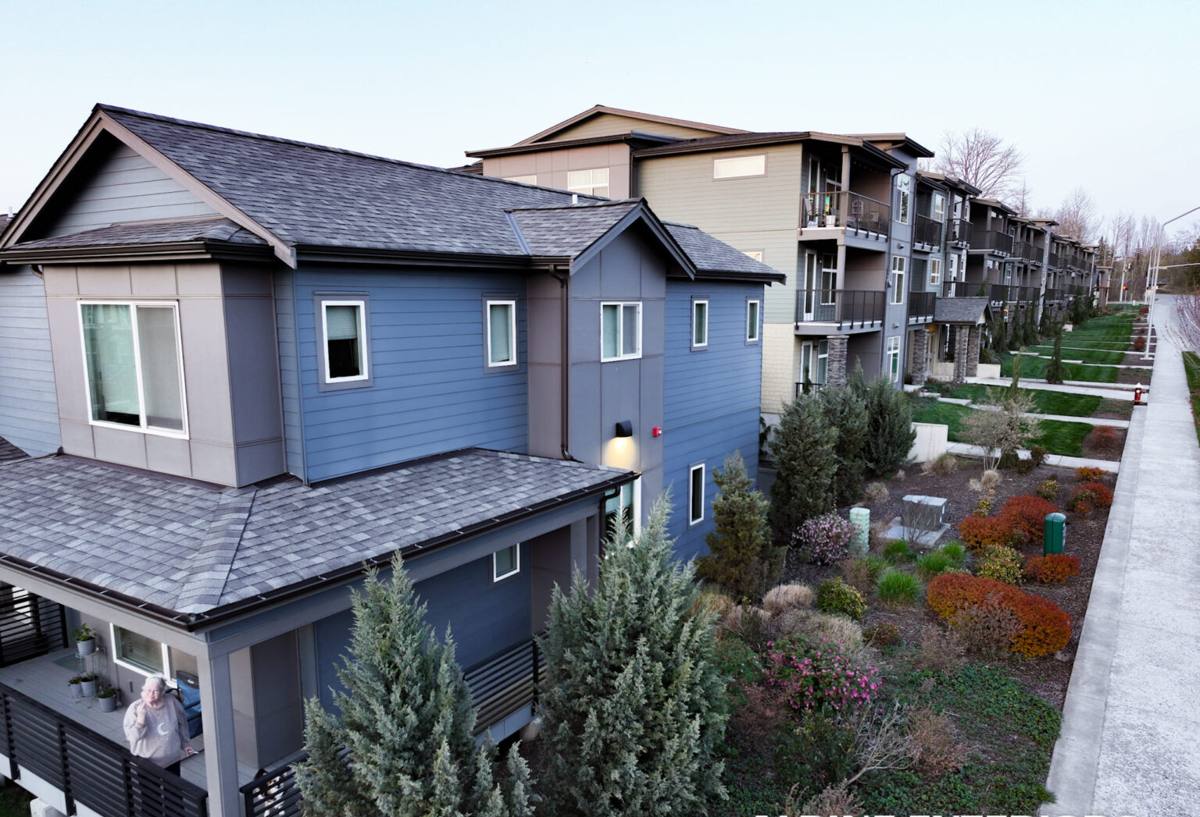
What Lutz-Area Weather Does to This Style Specifically
Board and batten has more seams and fastener penetrations per square foot than flat lap siding, which means it has more places where water can find a way behind the cladding if anything underneath moves, swells, or wasn't detailed correctly. That's a minor consideration in a mild, dry climate. In this part of the Tampa Bay region, it's a real factor in how the material performs over time.
Hurricane-Force Wind
Every batten on this style is a separate fastened component, face-nailed or blind-nailed over a seam. Under sustained hurricane-force gusts, a batten that isn't fastened at the correct spacing and depth is a batten that can work loose over time, and a loose batten exposes the seam underneath to wind-driven water it was never supposed to see.
Wind-Driven Rain
Rain that's being pushed sideways by wind behaves nothing like rain falling straight down. It gets forced into butt joints, batten seams, and trim intersections that would stay perfectly dry in calm weather. A board and batten wall with more seams than a flat lap wall has more of these vulnerable points, which is exactly why the flashing and gapping details matter more here than on almost any other siding profile.
Year-Round UV
This area's sun angle and day length put a heavy, near-constant UV load on every exterior surface. On a style with this many raised edges and shadow lines catching light at different angles throughout the day, a coating that isn't built to resist UV breakdown shows fading and chalking unevenly across the wall — sometimes years before a flat-sided home with the same paint would show the same wear.
Salt Air
Lutz sits inland of the immediate coastline, but salt-laden air off the Gulf and Tampa Bay still reaches homes throughout this part of the county, and it works on exposed fasteners and finishes over years of exposure. It's a slow, cumulative effect rather than a dramatic one, but it's part of why fastener choice and finish quality matter more here than they would in a landlocked climate further from open water.
Why We Only Build It in James Hardie Fiber Cement
We narrowed our siding lineup to one product after watching, across enough jobs in this region, which materials actually held up to sustained heat, humidity, storm wind, and UV — and which ones quietly turned into maintenance problems a few years after installation. On a style with this many seams and fastener points, the case for fiber cement is stronger than it is for standard lap siding.
- Dimensional stability: Fiber cement doesn't swell and shrink with humidity the way wood and wood-composite products do, so seams stay tight and battens stay flat instead of cupping or gapping over repeated wet-dry cycles.
- Climate-engineered HZ formulation: James Hardie builds different product formulations for different climate zones, and homes in this region receive a line engineered specifically for high-humidity, high-moisture-exposure conditions rather than a generic national formula.
- ColorPlus factory finish: The color is baked on in a controlled factory setting through multiple coats, rather than sprayed or brushed on site — it resists fading and chipping far better than field-applied paint, which matters most on a profile with this many exposed edges catching sun and rain.
- Non-combustible core: Fiber cement doesn't add fuel to a fire the way wood-based siding can, which matters for both household safety and insurance underwriting.
- Strong transferable warranty: Backed by the manufacturer when the installation follows spec, giving homeowners real recourse rather than a marketing claim.
We don't install LP SmartSide, vinyl, Cemplank, Allura, primed spruce, or cedar. Each of those has a place in the broader market, and this isn't a claim that they're all bad products. It's a professional call: we'd rather do one system exceptionally well, to a standard we fully stand behind, than spread our crews across several products and risk cutting corners on any of them.
What Correct Installation Involves
Board and batten punishes installation shortcuts more than flat lap siding does, simply because there are more seams and fastener points for water to exploit if something is done wrong. A correct installation includes:
- A properly lapped and sealed water-resistive barrier behind the panels — not house wrap stapled up and left as an afterthought
- Correct panel gapping at every butt joint and termination, per James Hardie's published fastening and clearance specifications
- Battens fastened at the right spacing and penetration depth to hold securely under hurricane-force gusts without over-driving fasteners through the material
- Proper flashing at every horizontal transition — window heads, roof-to-wall intersections, and anywhere the vertical pattern meets a horizontal element
- Correct clearance at the base of the wall, keeping siding above grade, decking, and roofing so it never sits in standing water
- Caulk used only where James Hardie specifies it — never as a substitute for flashing and gapping done correctly elsewhere
None of this is unique to us or to Hardie — it's simply the difference between a board and batten wall that survives storm seasons and one that starts failing at the seams within a few years, no matter what's behind the battens.
Board & Batten Options Compared
| Approach | Moisture Behavior | Finish Durability | Fit for This Wind Zone |
|---|---|---|---|
| James Hardie fiber cement panel and trim | Dimensionally stable; doesn't swell or shrink with humidity | Factory-baked ColorPlus finish resists fade and chip | Engineered and rated for high-wind installation |
| Engineered wood composite | More moisture-sensitive at cut edges and seams if the factory seal is broken | Relies more on field or factory coatings with a shorter service life | Varies by manufacturer and product line |
| Primed spruce or cedar boards | Absorbs and releases moisture readily; prone to cupping and swelling at seams | Fully dependent on repainting on a maintenance cycle | Not engineered specifically for hurricane wind zones |
| Vinyl board and batten panels | Doesn't absorb water but can flex and gap at seams under thermal movement | Through-body color, but can fade and chalk under sustained UV | Wind rating depends heavily on fastening pattern and panel gauge |
This table isn't a claim that every alternative fails outright — it's the reasoning behind why, for this specific style in this specific climate, we don't install anything other than Hardie.
Where This Style Works Best on a Lutz Home
Board and batten reads as more architectural than flat lap siding, and the vertical lines and shadow gaps do most of that visual work — which means color and placement choices matter more here than on a plain wall. In practice, we see it used a few common ways:
- As a full-elevation treatment on new construction or major remodels going for a modern farmhouse look
- As an accent on gables, dormers, or a front-facing feature wall, paired with lap siding on the rest of the home — a way to get the architectural detail without re-siding the entire structure
- On porch surrounds and entry features, where the added texture stands out against simpler surrounding siding
Deeper, more saturated colors tend to show off the shadow lines between battens more dramatically, while lighter colors read as more uniform from a distance. ColorPlus finishes hold their color under this region's UV load noticeably better than most field-applied paint, which matters most on a profile with this much surface detail catching direct light throughout the day.
Why a Crew That Already Works Lutz Matters
Siding quality comes down almost entirely to details that never show up in a finished photo — how tightly a seam was gapped, how deep a fastener was actually driven, whether a cut edge got sealed before it went up, how a flashing detail was lapped at a window head. A crew that works this part of the Tampa Bay area regularly has already seen how those details play out on local homes, under this specific mix of heat, humidity, storm wind, and salt exposure. That experience matters more on board and batten than on almost any other siding style, simply because there are more seams and more chances for a shortcut to turn into a callback.
It also matters for permitting. Wind zone requirements affect fastening schedules and product specifications, and a crew that pulls permits in this area regularly knows what local inspectors expect, rather than defaulting to a generic out-of-region standard and hoping it passes.
Maintenance After Installation
One practical advantage of a correctly installed Hardie board and batten system is what it doesn't ask of a homeowner afterward. There's no annual caulk-and-repaint cycle to chase, and the material isn't absorbing humidity or feeding rot between rain events the way wood boards can. Realistic upkeep looks like:
- An occasional rinse to clear pollen, salt residue, and general grime, especially on walls that catch prevailing wind
- A visual check after major storms for any battens that may have loosened or flashing that shifted
- Keeping sprinklers and landscaping from spraying directly onto the base of the wall
- Touch-up only where actual physical damage occurs — not as a routine scheduled item
Board & Batten Readiness Checklist
- Existing walls checked for soft spots, staining, or gaps at seams and corners
- Trim and flashing around windows and doors inspected for cracking or separation
- Grade clearance confirmed so the bottom course won't sit close to wet ground
- Any deck or porch ledger connections to the house checked for trapped moisture
- Sun exposure and shading noted for each elevation, since color and finish wear differently by orientation
- Current siding age and material identified, since some existing systems can be built over and others need full tear-off
Board and batten is a style choice. James Hardie is the material and installation standard we build it to, every time, on every job in Lutz and the rest of the Oldsmar area. If you're weighing a full board and batten elevation or an accent feature for your home, we're happy to walk the property, talk through where the style makes sense architecturally for your house, and put together a free, no-pressure estimate using the form below.