 Oldsmar Siding
 Siding That Has to Earn Its Keep in Lutz
Homes in the Lutz area sit in one of the toughest climates in the country for exterior building materials. It's not one extreme condition — it's several stacked on top of each other, year after year. Intense UV exposure bakes painted and coated surfaces for most of the year. Sudden, wind-driven rain pushes moisture sideways into seams and laps that would stay dry in a calmer climate. During hurricane season, sustained winds and gusts test every fastener, joint, and piece of trim on a house. And because this region isn't far removed from the Gulf, salt-laden air works its way inland and accelerates corrosion and material breakdown on anything not built to resist it.
Siding that looks fine in a showroom can fail here within a handful of years if it wasn't engineered for this specific combination of stressors. That's the lens we use on every Lutz-area project: not "does this siding look good going up," but "will it still be doing its job in twenty years."
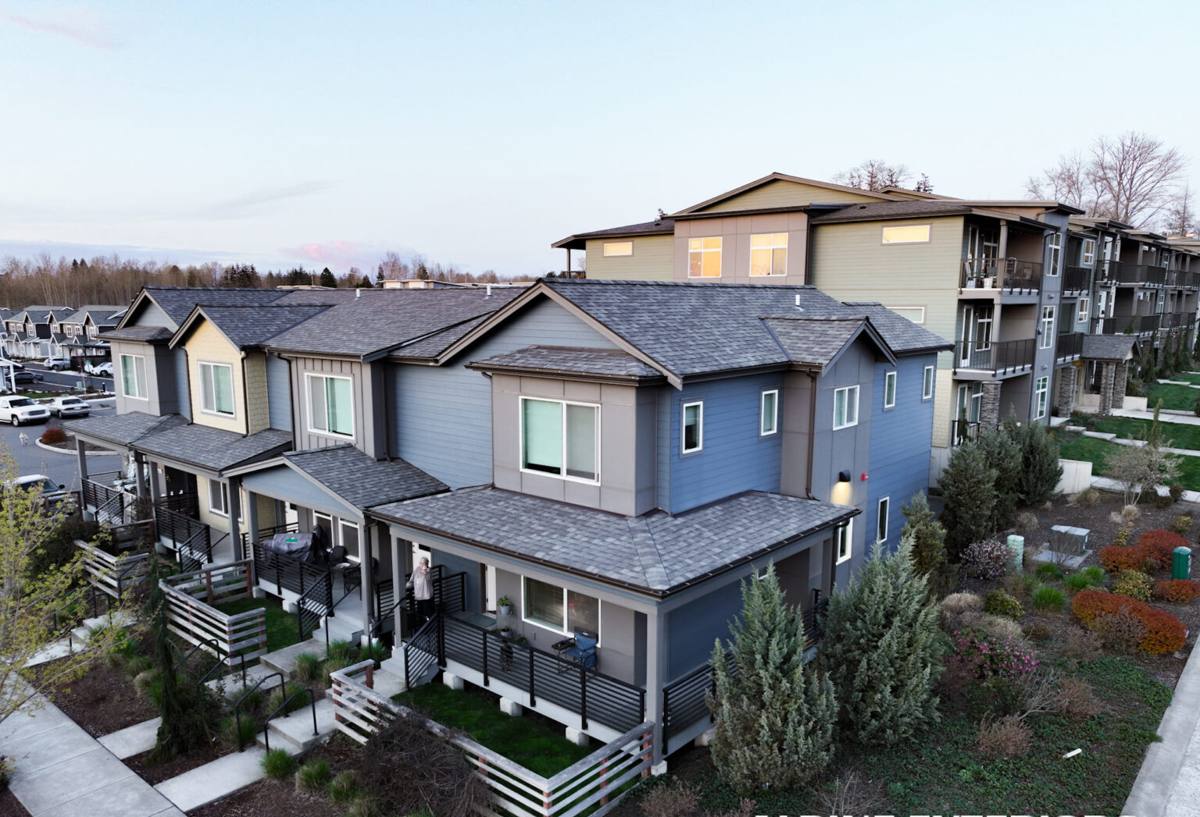
Why We Install James Hardie Fiber Cement — and Nothing Else
We made a decision as a company to install James Hardie fiber cement siding exclusively. We don't offer vinyl, LP SmartSide, or other fiber cement brands, and that's not a sales preference — it's a standard we hold ourselves to after seeing how different materials actually perform in this climate over time.
Vinyl softens, warps, and becomes brittle under sustained heat and UV, and it has no real fire resistance. Wood-based siding products need consistent maintenance to keep moisture out of their core, and a missed caulking cycle or a small breach in the coating can lead to swelling and rot that's expensive to catch early. James Hardie fiber cement is made from cement, sand, and cellulose fiber — it doesn't burn, it doesn't rot, and it holds its shape through heat cycling far better than vinyl. Hardie also builds region-specific engineering into its product line, which matters enormously in a place like Lutz.
HZ5 Engineering: Built for This Exact Climate
James Hardie manufactures its siding in different formulations for different climate zones (HZ5 and HZ10), calibrated for the moisture, humidity, and freeze-thaw conditions of the region where it will be installed. Florida falls in the HZ5 zone, and Hardie's HZ5 formulation is engineered specifically to resist the kind of high-humidity, high-moisture exposure that's constant here. That's a meaningful difference from a generic siding product sold the same way in every state — it's one reason we don't treat "fiber cement" as a single interchangeable category.
What Correct Installation Actually Involves
James Hardie siding performs the way it's engineered to only when it's installed to the manufacturer's specification. Most of the siding failures we get called out to inspect on other companies' work trace back to installation shortcuts, not the material itself. In a climate that throws wind-driven rain at a house sideways, these details aren't optional extras — they're what keeps water out of the wall assembly.
- A correctly lapped, weather-resistant barrier installed underneath the siding, with no gaps or punctures left unsealed
- Proper starter strips at the base of every wall so the first course sits at the correct angle and height
- Manufacturer-specified fastener type, spacing, and placement — over-driven or under-driven nails are a leading cause of premature siding failure
- Correct minimum clearance between the bottom of the siding and roofing, decking, and grade to prevent standing water and wicking
- Butt joints and panel seams sealed with a compatible, flexible sealant rated for exterior use — not general-purpose caulk
- Careful flashing and integration at windows, doors, and any wall penetrations, since these are the most common leak points on any home
- Field-cut edges primed or sealed before installation, since exposed raw edges are vulnerable to moisture intake
Skip even one or two of these steps and the siding can still look correct for a season or two before problems show up — usually as a soft spot near a window, staining at a seam, or paint failure well ahead of schedule. By the time it's visible, moisture has often already been working behind the panel for a while.
What We Actually Do at a Lutz Property
Our process on a Hardie project doesn't change site to site, but the details we pay closest attention to are shaped by what this climate does to a house over time.
1. Assessment and Tear-Off
We walk the exterior, check for existing moisture damage behind the current siding, and remove the old material completely rather than installing over it. Covering up damaged sheathing or a compromised barrier just locks a problem inside the wall.
2. Sheathing and Moisture Barrier
Any damaged sheathing gets addressed before anything new goes on the wall. We install a continuous, properly lapped weather-resistive barrier — this layer is what actually stops wind-driven rain from reaching the framing if it ever gets past the siding itself.
3. Installation to Manufacturer Spec
Starter strips, fastener spacing, clearances, and flashing details are all installed to James Hardie's published specifications, not shortcuts our crew has picked up elsewhere. This is also where a factory ColorPlus finish pays off — it's baked on under controlled conditions and backed by its own finish warranty, instead of relying on a field-applied coat of paint to hold up against constant Florida sun.
4. Trim, Caulking, and Detail Work
Corners, window and door surrounds, and any transitions are sealed with the right materials for exterior exposure. This is the stage where a rushed job usually shows its seams — literally.
5. Final Walkthrough
We review the finished exterior with the homeowner, checking sight lines, seams, and trim before calling the job complete.
James Hardie Product Lines: Picking the Right Fit
Not every Hardie product is right for every home. Part of an honest consultation is matching the product line to the house style and the homeowner's priorities.
| Product | Look | Best Suited For |
|---|---|---|
| HardiePlank lap siding | Traditional horizontal lap, widest range of textures | Most single-family homes; the most common choice in this area |
| HardiePanel vertical siding | Clean vertical lines, often paired with trim battens | Board-and-batten style homes and accent walls |
| HardieShingle siding | Staggered or straight-edge shingle profile | Coastal and craftsman-style architecture |
| HardieTrim boards | Smooth or textured trim boards | Corner boards, fascia, and window/door surrounds |
Color is its own decision. ColorPlus factory-applied finishes come in a curated palette engineered to resist UV fading better than field-applied paint, which matters in a region where siding gets full sun exposure most of the year. Homeowners who want a custom color outside that palette can still have Hardie siding field-painted, but they should go in understanding that a field-applied finish will need repainting on a shorter cycle than a factory ColorPlus finish.
What Drives Cost on a Hardie Project
We don't quote a job over the phone, because the honest price depends on the specifics of the house. What we can do is explain what actually moves the number, so a homeowner isn't surprised later.
| Factor | Why It Matters |
|---|---|
| Removal of existing siding | Tear-off, disposal, and any sheathing repair add labor before new siding ever goes up |
| Home size and wall complexity | More corners, dormers, and roof lines mean more cutting, flashing, and trim detail |
| Product line and profile | Lap, panel, and shingle profiles differ in material and labor requirements |
| Finish choice | Factory ColorPlus vs. field-applied paint affects both upfront cost and long-term maintenance |
| Trim and accent work | Custom trim, batten details, and accent walls add time and material |
| Access and site conditions | Two-story sections, tight lot lines, and landscaping can affect labor time |
James Hardie siding typically costs more upfront than vinyl. Most homeowners weigh that against a longer service life, less frequent repainting with ColorPlus, and a durability profile that holds up to hurricane-force wind and driving rain far better than lighter-weight materials.
Why It Matters That We Already Work in This Area
A crew that installs siding across a range of climates has to generalize. A crew that works Lutz, Oldsmar, and the surrounding Tampa Bay area regularly doesn't have to guess — we already know how this specific combination of sun, humidity, storm wind, and salt air behaves against a wall assembly over years, not just during the install. That shapes small decisions on every job: how much clearance we leave at grade, how we detail flashing around openings, and how we sequence a job around storm season so a house isn't left exposed mid-project longer than necessary.
It also means we're a known, findable business if a question ever comes up years after installation — not a crew that worked the region for one season and moved on.
Maintenance and Warranty
One of the appeals of fiber cement over vinyl or wood-based siding is how little ongoing maintenance it needs when installed correctly. A periodic rinse to clear salt residue and debris, a visual check of caulking at trim and penetrations every year or two, and prompt attention to any impact damage is generally all it takes. James Hardie backs its products with a strong transferable limited warranty, and ColorPlus finishes carry their own finish-specific warranty coverage — details worth reviewing with whoever installs your siding, since warranty terms can be affected by installation method.
Get an Honest Look at Your Home
If you're weighing a siding replacement for a Lutz-area home, we're happy to walk the exterior with you, point out anything worth knowing about your current siding's condition, and give you a straight answer on what James Hardie siding would involve for your specific house — no pressure, no hard sell. Use the form below to request a free estimate.