 Oldsmar Siding
 Why Countryside Homeowners Are Asking About Metal Roofing
Countryside sits in one of the more established residential pockets near Oldsmar, with a mix of ranch-style homes, split-levels, and newer construction that's aged through decades of Pinellas County summers. A lot of these roofs are on their second or third asphalt shingle system by now, and homeowners are tired of the cycle: five to ten good years, then granule loss, curling, and algae streaking, then another full tear-off. Metal roofing changes that math. It's not the right fit for every budget or every house, but for homeowners planning to stay put for a while, it's worth understanding what it actually does differently in this climate — and what a correct installation looks like, because a bad metal roof install causes more headaches than a bad shingle one.
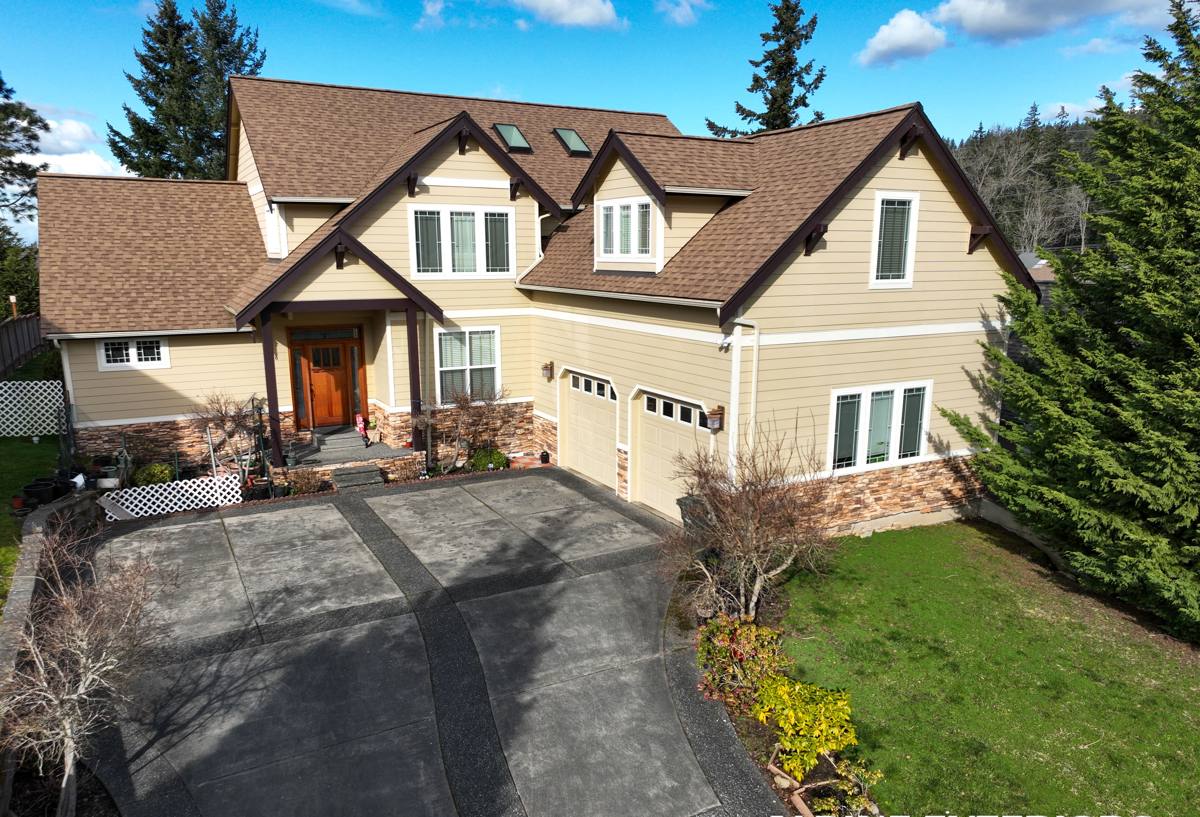
What This Climate Actually Does to a Roof
Oldsmar and the surrounding Pinellas County communities deal with a specific combination of stressors that most of the country doesn't face all at once. Understanding them is the whole reason metal roofing performs the way it does here.
Hurricane-Force Wind
Wind doesn't just push on a roof — it creates uplift, the same force that lifts an airplane wing. Roof edges, corners, and ridges see the highest uplift pressure during a storm, and that's exactly where shingle failures start: a lifted tab catches wind, peels back, and the failure cascades from there. A correctly fastened metal roof resists uplift very differently because the panels are mechanically locked to each other and to the deck, not just adhered.
Year-Round UV
Florida sun is relentless on roofing material 12 months a year, not just in summer. UV breaks down the asphalt binders in shingles, which is why granule loss and brittleness show up faster here than in northern climates. Painted steel and aluminum panels don't have that same degradation pathway — the finish fades gradually over many years rather than the substrate itself breaking down.
Wind-Driven Rain
During tropical storms and hurricanes, rain doesn't fall straight down — it drives sideways under wind pressure and finds every weak seam, fastener, and flashing detail. This is where installation quality matters more than the material itself. A metal roof with poor flashing at penetrations, valleys, or wall transitions will leak just as badly as a poorly installed shingle roof, if not worse, because water that gets under a metal panel can travel further before it shows up as a stain inside the house.
Salt Air
Countryside isn't beachfront, but Pinellas County as a whole sits in a corrosive coastal air envelope. Salt-laden moisture accelerates corrosion on unprotected metal and speeds up the breakdown of cheap fasteners and flashing. This is why fastener and coating specification matters as much as panel choice — it's often the difference between a metal roof that looks new after fifteen years and one that shows rust streaks after five.
What a Correct Metal Roof Install Involves
Metal roofing is unforgiving of shortcuts in a way asphalt shingles are more forgiving of. Here's what we consider non-negotiable on every metal roof we put on a Pinellas County home:
- Deck inspection and repair before anything goes down — metal telegraphs deck irregularities and won't perform correctly over rotten or uneven sheathing
- A synthetic underlayment rated for high heat, since metal panels run hotter than shingles in direct sun
- Proper panel fastening pattern matched to the wind zone and panel profile — spacing fasteners too far apart is a common corner-cut that guts wind performance
- Stainless steel or coated fasteners matched to the panel metal, to avoid galvanic corrosion between dissimilar metals
- Closed-cell foam or metal closure strips at panel ends to keep wind-driven rain and pests out
- Custom-fabricated flashing at every valley, wall transition, chimney, and roof penetration — not generic stock pieces bent to fit
- Proper expansion allowance, since metal panels expand and contract with heat cycling and need room to move without buckling or popping fasteners
Every one of these steps is invisible once the roof is finished. That's exactly why the contractor doing the work matters more on a metal roof than almost any other exterior project.
Panel Types and What They Mean for a Countryside Roof
| Panel Type | Typical Use | Coastal Air Performance | Considerations |
|---|---|---|---|
| Standing seam steel | Most residential metal roofs | Very good with proper coating | Concealed fasteners, cleanest look, higher upfront cost |
| Exposed-fastener steel (5V, corrugated) | Budget-conscious metal upgrades, some outbuildings | Good, but fasteners need periodic checking | Lower cost, fastener washers wear over time and need eventual replacement |
| Aluminum standing seam | Homes closer to open water or with heavier salt exposure | Excellent — naturally corrosion resistant | Higher material cost, softer metal so hail/debris impact shows more |
| Stone-coated steel | Homeowners wanting a shingle or tile look with metal performance | Good with proper coating | More installation steps, higher labor cost |
Metal Roofing vs. What Countryside Homes Have Now
Most of the roofs we look at in this area are architectural asphalt shingle. That's not a bad product — it's just a different set of trade-offs, and it's worth laying them out honestly rather than pretending one is universally better.
| Factor | Asphalt Shingle | Metal Roofing |
|---|---|---|
| Typical lifespan in this climate | 15-20 years | 40-60+ years |
| Wind uplift resistance | Good when correctly installed, vulnerable at edges over time | Excellent with proper fastening |
| UV degradation | Granule loss, brittleness over time | Finish fades slowly, substrate doesn't degrade |
| Upfront cost | Lower | Higher — often 2-3x shingle pricing |
| Insurance considerations | Standard | Often eligible for wind mitigation credits |
| Heat reflectivity | Absorbs and retains heat | Reflective coatings reduce attic heat gain |
The insurance point is worth pulling out on its own. Florida wind mitigation inspections give credit for roof-to-wall connections, roof deck attachment, and roof covering type — a properly installed metal roof frequently scores better on these than aging shingle, which can translate into a real premium reduction. We can't quote what your specific carrier will do, but it's a conversation worth having with your agent once the roof is in and inspected.
Our Process on a Countryside Metal Roof
We work this area regularly, which means we already know the permitting requirements the local building department applies to metal roof installations and re-roofs, and we handle that paperwork as part of the job rather than leaving it on the homeowner. Our process:
- On-site inspection of the existing roof, deck condition, and any problem areas (valleys, chimneys, skylights)
- Written estimate that spells out panel type, gauge, fastening method, and underlayment — not just a lump-sum number
- Permit pulled and scheduled with the local building department before work starts
- Tear-off and deck repair, with any rotten sheathing replaced and documented before cover-up
- Underlayment, panel installation, and custom flashing fabrication on site
- Final walkthrough and inspection sign-off
We don't skip the deck repair step to save time, and we don't reuse old flashing to save material cost. Those are the two most common shortcuts that turn a metal roof into a callback.
Maintenance Reality
Metal roofing is genuinely low-maintenance, but "low" isn't "zero." A quick homeowner checklist for keeping a metal roof performing over the long haul:
- Clear debris — leaves and branches — from valleys after storms so water doesn't pool
- Have fastener heads and sealant at penetrations checked every few years, especially on exposed-fastener panel types
- Rinse off salt residue and organic buildup periodically, particularly on panels shaded by trees
- After any major wind event, have the roof looked at even if there's no visible interior leak — panel edges and flashing can loosen without an immediate leak showing up
- Keep gutters clear so water isn't backing up under the drip edge
Why Hiring a Crew That Already Works This Area Matters
Metal roofing done wrong doesn't fail the same way a shingle roof does — it tends to fail quietly, at a seam or flashing detail, and the water damage shows up somewhere unexpected before the leak source is obvious. A crew that installs metal roofs regularly in Oldsmar and the surrounding Pinellas County neighborhoods knows the wind zone requirements this area falls under, has already dealt with the local permitting process, and has seen how these roofs hold up through actual hurricane seasons here — not just in a spec sheet. That local track record is the difference between a metal roof that's a one-time investment and one that generates service calls for years.
If you're weighing metal roofing for a Countryside home, we're happy to walk the roof, look at your specific situation, and give you a straight answer on whether it makes sense for your budget and timeline. Use the form below to request a free, no-pressure estimate.